

Reasons you might want to fall asleep but can’t include stress, your bedtime habits, and circadian rhythm disruptions. Insomnia refers to trouble falling and staying asleep.
Experiencing stressful events can make it hard to fall asleep—something that can be measured by sleep reactivity. Sleep reactivity refers to how much stress interrupts your sleep.
What the Science Says: A 2018 study found that people who have low sleep reactivity had fewer problems with sleep when they are stressed. Those with high sleep reactivity had greater sleep disturbance during stressful periods.
What you do before bedtime can affect your ability to fall asleep. Taking naps during the day—especially in the evening—may make it harder to sleep.
Other bedtime habits that can affect your sleep include:
- Eating heavy meals within two hours of bedtime
- Exercise
- Screen time right before bed
Consuming caffeine can boost energy and help you feel more awake. If you have a caffeinated beverage within six hours of your typical bedtime, it can keep you from feeling sleepy and falling asleep.
Tip: Try limiting caffeine in the afternoon and stop drinking it entirely at least six hours before sleeping.
While alcohol can make you sleepy at first, it can also make it hard to get a good night’s sleep later. Drinking alcohol affects how long you are in the rapid-eye movement (REM) stage of sleep. REM sleep is essential for processing emotional memories.
Night shift workers have sleep loss and are sleepier during their shifts. Working night shifts can affect your circadian rhythm, or your 24-hour sleep-wake cycle.
During your shifts, you must stay awake in the dark when you would typically be asleep. This can make it hard to fall asleep when your shift ends in daylight. Sunlight prompts your body to stay awake.
Jet lag happens when your circadian rhythm does not match up with a new time zone. It can be hard to fall asleep temporarily as your body adjusts to the time zone.
You can also feel tired during the day and have trouble waking, among other symptoms.
People with chronic pain—which lingers beyond three months—often do not get enough sleep or have interrupted sleep.
The link between chronic pain and sleep is bidirectional, meaning one affects the other. A lack of sleep may also lead to:
- Decreased functioning
- Increased physical inactivity
- Longer pain duration
- More severe pain
There’s a link between trouble sleeping and mental health conditions, especially mood disorders.
Examples include:
- Anxiety disorders, like social anxiety and post-traumatic stress disorder (PTSD)
- Attention-deficit/hyperactivity disorder (ADHD)
- Bipolar disorder
- Depressive disorders, such as seasonal affective disorder
- Schizophrenia
- Somniphobia, or fear of sleep
- Substance use disorder (SUD)
Certain medications can lead to or worsen insomnia, such as:
- Allergy, cold, or flu medications
- Antidepressants
- Antiseizure drugs
- Asthma medications
- Heart medications
- Oral contraceptives
- Steroids
- Thyroid medications
Tip: Talk with the prescribing doctor if you have concerns that medications may negatively impact your sleep.
In addition to trouble falling and staying asleep, insomnia may cause symptoms like:
- Falling asleep during the day
- Tiredness
- Trouble focusing
- Waking up not feeling refreshed
When you are at a point of being unable to sleep, here are a few things you can do:
- Adjust lifestyle habits: Avoid caffeine, alcohol, screens, social media, naps, fast food, and intense physical activity before bedtime.
- Focus on breathing: Deep, slow breathing can lower your heart rate, which can be helpful if you are stressed or anxious.
- Get out of bed: If you lie awake for more than 20–30 minutes, get out of bed. Do something quiet or gentle, like light stretching or yoga, until you are sleepy again.
- Listen to relaxing sounds: Just remember to avoid music, podcasts, or audiobooks that are too exciting or upsetting.
- Make a to-do list: Writing out a long, detailed to-do list of future tasks has been shown to help people fall asleep much faster than those who write about completed tasks.
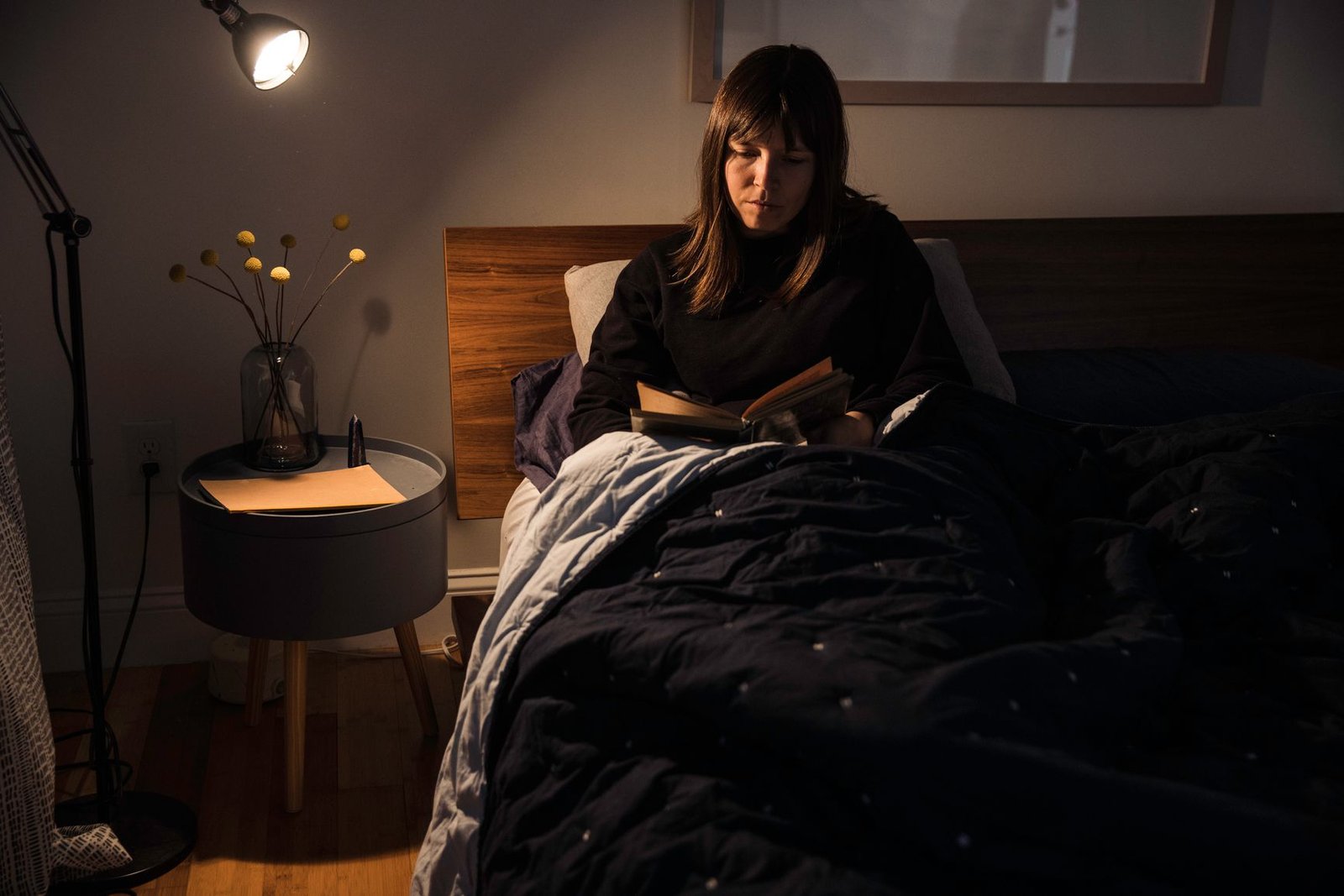
- Read a book: Since digital screens can disrupt sleep due to their blue light, read a physical book rather than an electronic one.
- Stick to a schedule: Go to bed and wake up at the same time each day. Follow a bedtime ritual, such as showering, drinking tea, or reading a book, to prime your body for sleep. With jet lag, stay up until your bedtime in the local time.
- Try soothing sounds: A white noise machine or app may help relax and ease your mind.
Everyone has a sleepless night once in a while. However, if you cannot fall asleep regularly, it’s time to see a doctor. They can evaluate whether any current medications, medical conditions, or lifestyle habits contribute to insomnia and offer solutions.
