

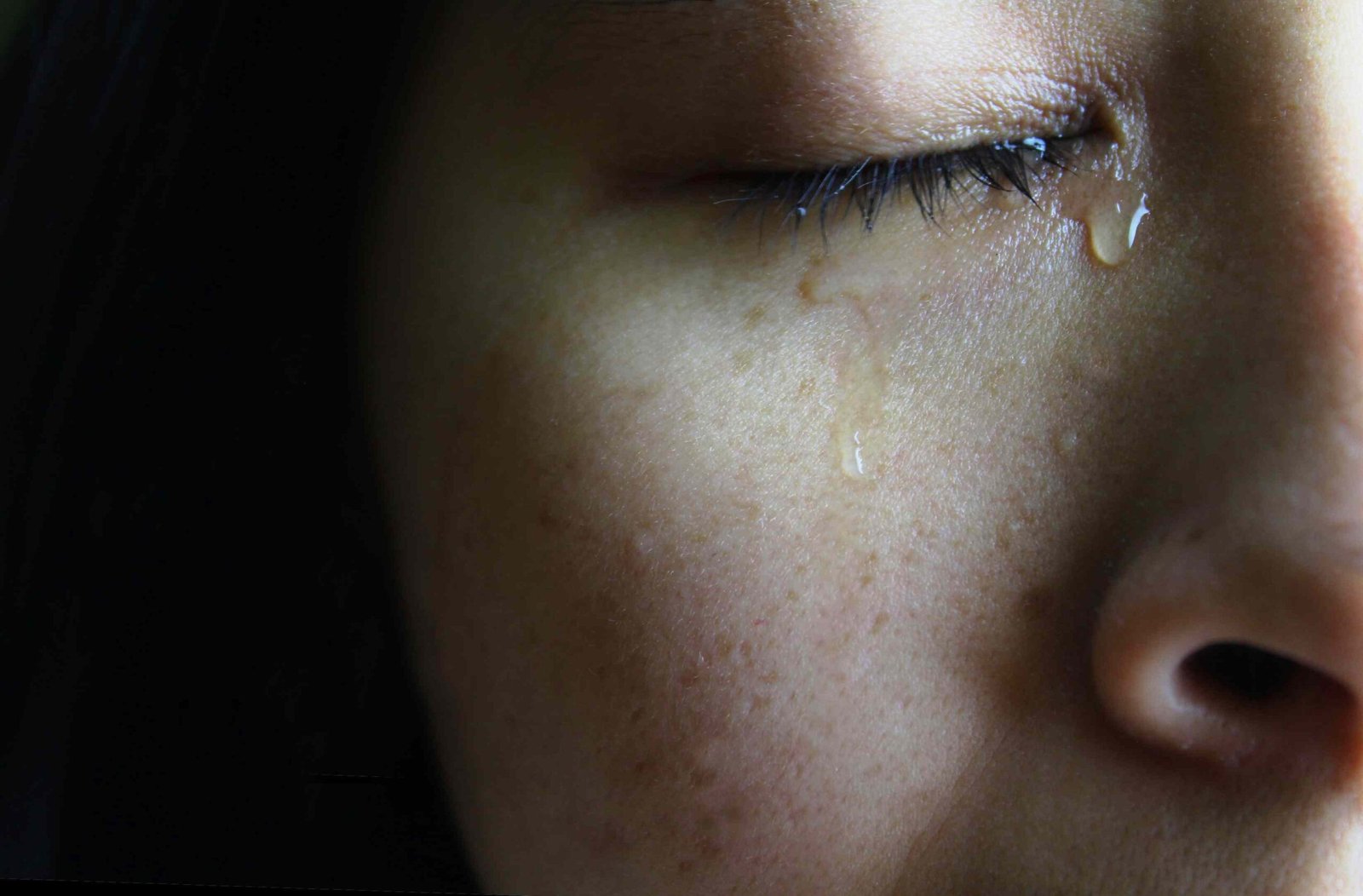
Meditation is often considered a purely relaxing practice, so you might be surprised if you have more intense emotional experiences or even start crying during meditation. This sometimes happens because it helps connect you with the present moment, including any deep emotions or memories you might be experiencing.
Imagine this: You sit down to meditate. At first, all is peaceful and quiet as you feel your breath moving slowly in and out. Suddenly, though, you begin to feel tears well up in your eyes, and before you know it, you are full-on sobbing.
This is not at all what you expected to happen during meditation. You’re left wondering if this is normal—or if something could be wrong with you. After all, isn’t meditation supposed to make you feel better, not worse, right?
It turns out that crying during meditation is quite common. Although meditation usually serves as a stress reliever for many people, it can also elicit difficult emotions at times, including crying. This isn’t always a bad thing, though. “Letting it all out” can ultimately be therapeutic.
Let’s explore what to know about crying during meditation, why it happens, and how to cope.
Why Am I Crying During Meditation?
Many people think of meditation as a time of calm and a chance to find emotional balance. Research has found that regular meditation can help reduce stress and anxiety.
Meditation may also have other positive effects, such as:
- Decreasing depression
- Helping to manage pain
- Reducing smoking
- Assisting with addiction
- Managing health conditions like IBS, HIV, psoriasis, and diabetes
- Boosting the immune system
Meditation is also an opportunity to quiet the mind and reduce racing thoughts and ruminations. Sometimes, when these distractions fall away, deeper emotions can come to the surface.
These emotions may have been suppressed due to the busyness of life or because they were too challenging to face. Meditation is a time when these difficult emotions might come up, possibly without you realizing it. This can be why you find yourself crying during meditation.
Crying during meditation varies from feeling a bit teary-eyed to experiencing a full release of emotions. Know that you aren’t alone; many people have this experience. Fortunately, it’s not something that typically happens every time you meditate—it may be your brain engaging in emotional housekeeping.
How to Cope
While it might not feel like it in the moment, crying during meditation can be a good thing. It helps you get help you get in touch with your emotions, move through them, and learn something about yourself in the process. But if you find yourself crying out of nowhere mid-meditation, it can seem a little…unsettling. So, what should you do with all those emotions? And how do you actually cope?
Here are some tips that might help.
Understand That Crying Isn’t a Bad Thing
Many of us are taught that crying is a sign of weakness—something only children do, and as adults, we should lock away our emotions. However, crying is not a weakness.
Feeling sadness and vulnerability is a natural part of being human. Learning to express these emotions is important and can be therapeutic.
Reframing crying as positive can help you manage the moment. Focus on the benefits of crying, so you feel good about releasing your tears. Remind yourself:
- Crying is an important form of stress release.
- Crying can lower cortisol levels, a stress hormone.
- Poor emotional regulation is linked to higher rates of cardiovascular disease.
- Repressing emotions can lead to increased depression and anxiety.
Learn to Sit With Your Emotions
Many people believe meditation requires having a completely clear mind, free from thoughts and feelings. However, that’s not typically how it works. The goal of meditation is not to eliminate thoughts or feelings completely but to accept them as they come.
Eventually, the goal is to learn to let them go.
If you sit down to meditate and find that you are crying, you can use this as a chance to practice self-love and self-acceptance. Here are some ideas about how to do that:
- While you are crying, notice the thoughts you are having about the crying
- Are you finding that you are telling yourself to stop crying? Are you judging yourself for being too emotional? What other thoughts are you having?
- Whatever thoughts you are having, just watch and observe them; try not to judge them
- As you are crying, notice what’s happening in your body
- Is your breathing tighter, heavier than it usually is? Are you able to slow down your breath at all? What other parts of your body are affected by your crying?
- Again, just observe what happens as you notice your body, your breathing, and your thoughts
Take Some Time to Process Your Experience
When meditation has elicited intense emotions from you, it can be helpful to take some time to reflect and process what happened. This can include talking to a friend or connecting with a mental health counselor or therapist to clear your mind and think.
After a big cry, many people end up feeling exhausted, depleted, and vulnerable. That’s common and OK. Make sure you are gentle with yourself during this time, and try to get some extra rest and self-care during the next few days. You may also want to integrate movement like practicing yoga or taking a walk in nature, which can both be powerful for healing.
You might also consider doing some journaling to help process the experience. Get a notebook, set a timer for 10 minutes, and just write whatever comes into your mind. You don’t need to show this to anyone. Writing out your thoughts and feelings after crying can help you to understand yourself better, and get more in touch with the meaning behind your emotions.
When to Seek Mental Health Help
In most cases, the crying that happens during meditation is an opportunity to simply let out some pent up emotions, which can be cleansing. But sometimes more difficult emotions come out while meditating.
For example, one study examined the effects of meditation experienced by participants in an 8-week meditation program. Of those, 58% reported short-term adverse effects from meditation. These included traumatic re-experiencing, hypersensitivity, and nightmares. Another 6-14% reported adverse effects lasting longer than one month, including hyperarousal and dissociation.
If you are finding that meditation is triggering intense emotional reactions that are making it difficult to function or are making your current mental health challenges worse, consider meeting with a therapist or psychiatrist.
Even if you are not having a particularly adverse experience, meditation might be making you more in touch with certain repressed feelings, and having someone to talk with about your feelings is always a good thing.
Takeaways
You might be taken aback if you end up crying during mediation. After all, this was not what you signed up for! You can rest assured that many people end up getting very emotional and even end up crying during meditation. This is especially common during the first few times you meditate or if you are going through a tough emotional time in your life.
Many of us have negative associations with crying, and grew up believing that it was best to suppress crying and other difficult emotions. Crying during meditation may feel inconvenient, and the crying itself might upset you more.
Consider thinking of crying during mediation as an opportunity to get more in touch with your feelings, and to learn to accept them. If you end up crying frequently during meditation, or if meditation seems to have triggered difficult memories, traumas, or seems to have exacerbated a mental health condition, please don’t hesitate to reach out to a counselor or therapist.
