

As bananas ripen, their starches convert to simple sugars, which affect the texture, taste, and color of the fruit. The ripeness stage of a banana can also impact your overall health and energy levels, affecting blood sugar, gut health, and digestion.
“Ripe, spotted bananas are sweeter and easier to digest because their starch has converted to natural sugars,” Keri Gans, RDN, author of The Small Change Diet, and podcast host of The Keri Report, told Health.
However, when it comes to gut health, Gans says underripe (greener) bananas are better because they contain more resistant starch, which functions as prebiotic fiber that promotes healthy gut bacteria. “This can aid digestion, though some people might find them more difficult to tolerate if they are sensitive to fiber,” said Gans.
The resistant starch found in underripe bananas supports healthy blood sugar management because it’s digested more slowly.
“Underripe bananas are less sweet in taste, but they provide a sweet deal for your blood sugar and microbiome,” Bonnie Taub-Dix, RDN, CDN, host of the Media Savvy podcast, and creator of BetterThanDieting.com, told Health. “In general, eating bananas alone can raise blood sugar more quickly, causing spikes and energy that doesn’t last long. Pairing them with protein (like cottage cheese or peanut butter) can help increase satiety and create smoother blood sugar levels.”
As bananas ripen, their starches convert to simple sugars (sucrose, glucose, and fructose), which make ripe bananas taste sweeter than unripe ones. Ripe bananas are digested faster because they contain more easily digestible simple sugars, the body’s preferred source of energy, which provides a quick source of fuel for the body.
How to tell what stage of ripeness bananas are in, according to Jamie Mok, RD, a Los Angeles-based registered dietitian and spokesperson for the Academy of Nutrition and Dietetics:
- Unripe bananas are light green, with only a hint of yellow. These will feel very firm and have a peel that is quite difficult to peel off.
- Semi-ripe bananas are yellow, but still show some green color at the edges, tips, and stems. These are firm in texture, but the peel sticks slightly to the banana’s flesh.
- Ripe bananas are completely yellow and have minimal to no brown spots. These are soft, hold their shape well, and the peel should come off easily.
- Overripe bananas are dark yellow with many brown spots and dark stems. These are very soft and mushy, and have thin peels that can be easily separated from the banana’s flesh.
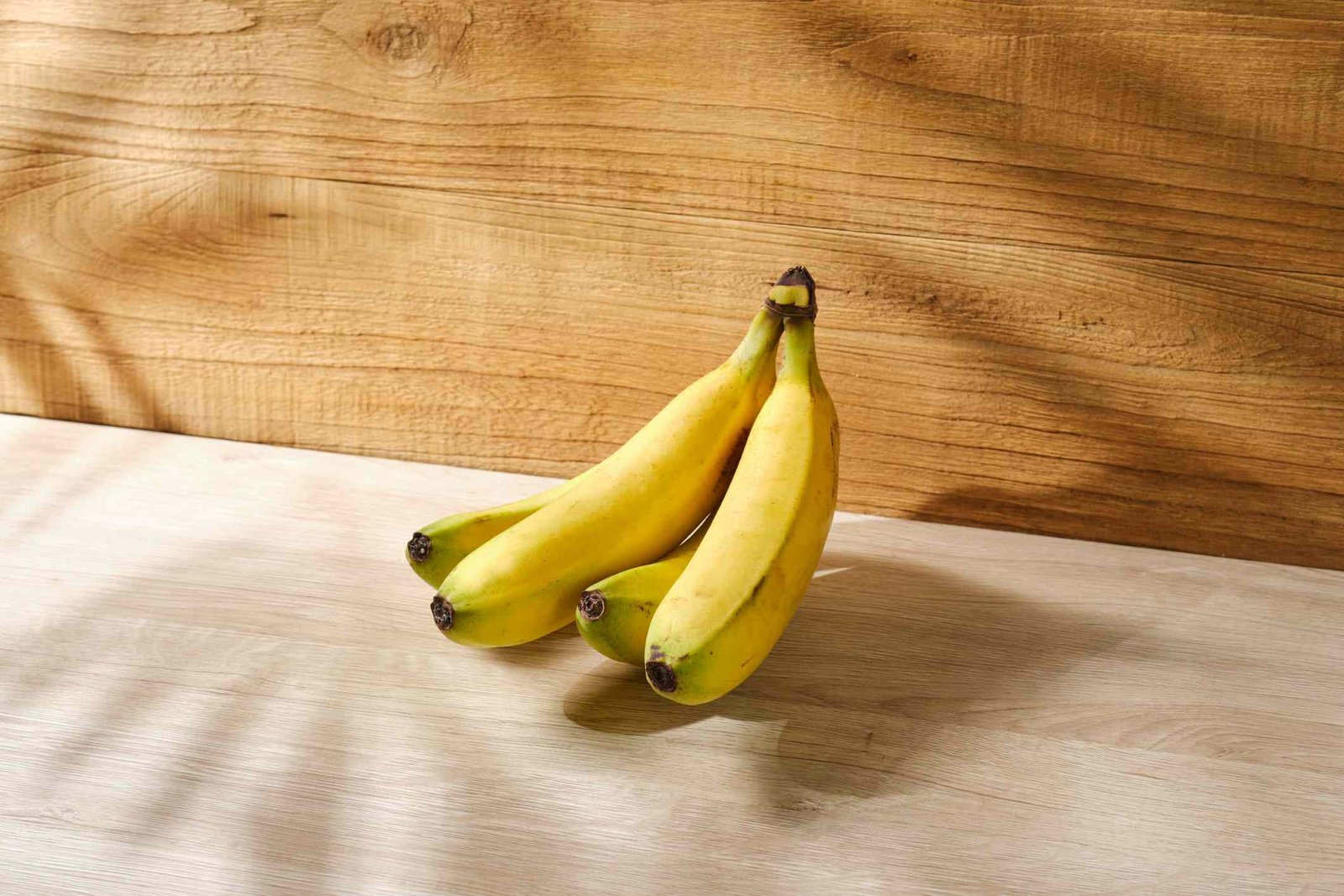
“The ideal time to buy a banana is when it’s mostly yellow with a slight green tint at the stem,” said Gans. “At this point, it’s firm, mildly sweet, easy to use in many ways, and will stay fresh for a few days.”
Nutrient facts for 1 banana (115 grams):
- Calories: 101
- Total fat: 0.33 grams (g)
- Saturated fat: 0 g
- Trans fat: 0 milligrams (mg)
- Cholesterol: 0 mg
- Sodium: <4 mg
- Total carbohydrates: 24 g
- Dietary fiber: 2 g
- Total sugars: 18 g
- Protein: 0.85 g
- Vitamin C: 14 mg
- Folate: 16 micrograms (mcg)
- Potassium: 375 mg
- Magnesium: 32 mg
- Phosphorus: 25 mg
Depending on your health or movement goals, the ripeness stage of a banana can make all the difference, especially if you monitor your blood sugar levels or exercise frequently.
- Stable blood sugar: If you have prediabetes, type 2 diabetes, or are monitoring your blood sugar levels, opt for unripe bananas, which are slightly green or have just a hint of yellow.
- Quick energy: If you’re an athlete or someone who exercises frequently, choose ripe or spotted yellow bananas to help fuel your workouts or games.
- Gut support: If you want to build or maintain a healthy gut microbiome, consume underripe (greener) bananas in moderation. Keep in mind that underripe bananas can be harder on sensitive stomachs because they contain more resistant starch and fiber, so try a small amount first to see how your body responds.
