

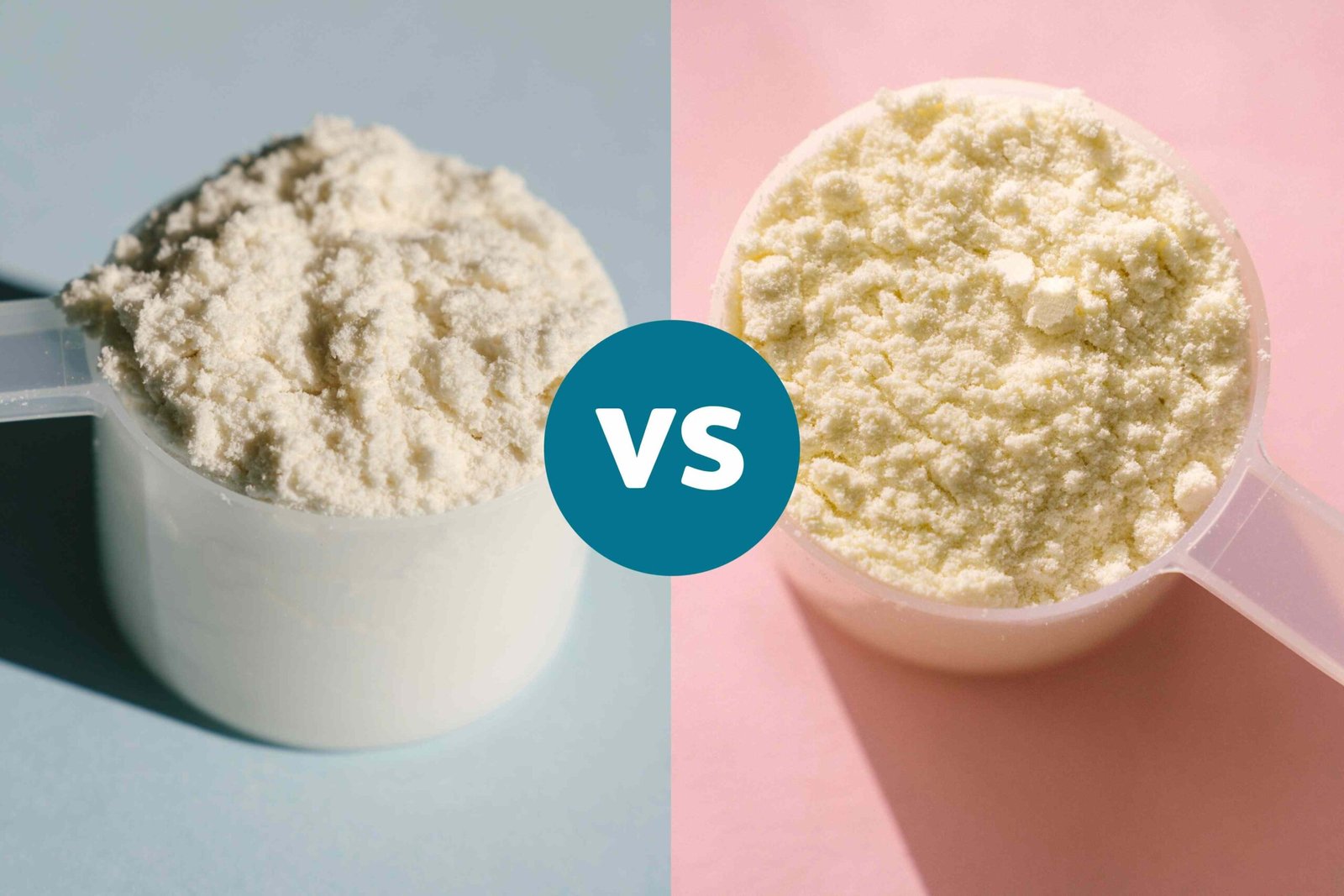
Creatine and pre-workout both support exercise, but they work in very different ways. Knowing how each one helps can make it easier to choose the right supplement for your goals.
Creatine is often more effective than pre-workout supplements for muscle growth because it directly improves how your muscles produce energy during high-intensity exercise. Creatine:
- Supports ATP production: Creatine helps replenish adenosine triphosphate (ATP), the primary energy source for heavy lifting, sprinting, and explosive movements.
- Improves strength and power: By increasing available energy, creatine allows you to lift heavier weights or perform more reps across multiple sets.
- Delivers long-term benefits: Unlike pre-workout stimulants, which offer a short-term boost, creatine builds cumulatively to enhance performance over time.
Pre-workout supplements are designed to temporarily boost energy, focus, and mental readiness before a workout, making them a better pre-workout choice than creatine. Pre-workout supplements:
- Increases alertness: Caffeine stimulates the central nervous system, helping you feel more awake and mentally engaged.
- Enhances focus: Ingredients like L-tyrosine or alpha-GPC may support concentration and mind–muscle connection.
- Provides a quick energy boost: Pre-workouts are often useful on low-energy days when motivation is lacking.
- Short-term effect: Unlike creatine, the benefits of pre-workout are immediate but temporary and do not directly improve muscular energy systems.
Creatine and pre-workout supplements differ in how and when they support performance, with creatine offering long-term power benefits and pre-workout providing immediate fatigue management. So which one is better, depends on your goals:
- Creatine improves repeated power output: Creatine enhances your ability to perform multiple high-intensity efforts by supporting ATP regeneration over time.
- Pre-workout reduces perceived fatigue: Pre-workout ingredients such as caffeine and beta-alanine may help you feel less tired during a workout when taken shortly beforehand.
Timing is important. Creatine works best when taken daily over time, while pre-workout is most effective when consumed immediately before training.
Pre-workout supplements may help make longer or more demanding workouts feel easier by supporting energy, focus, and endurance during extended training sessions. Pre-workout supplements:
- Delay perceived fatigue: Stimulants like caffeine can reduce how tired you feel, helping you push through longer workouts.
- Sustain mental focus: Focus-enhancing ingredients may help maintain concentration as training sessions extend.
- Support endurance efforts: Compounds such as beta-alanine and citrulline are often included to enhance muscular endurance.
Creatine is a stimulant-free supplement, making it a reliable option for improving performance without affecting the nervous system. Creatine:
- Doesn’t include caffeine or stimulants: Creatine does not increase heart rate or cause jitters commonly associated with pre-workout supplements.
- Supports steady performance: Because it works at the muscular level, creatine enhances strength and power without altering energy or mood.
- May be better for sensitive individuals: It is suitable for people who are sensitive to caffeine or train later in the day.
- Can be safe for daily use: Creatine can be taken consistently without the risk of stimulant dependence or sleep disruption.
Feature
Creatine
Pre-Workout
What It Is
A naturally occurring compound found in your muscles and in foods like meat and fish
A blended supplement typically containing caffeine, amino acids, and performance-enhancing ingredients
Primary Role
Helps produce quick energy for short, intense movements like weightlifting or sprinting
Designed to increase energy, alertness, focus, or endurance right before exercise
How It Works
Supports the body’s ATP energy system used during high-intensity efforts
Stimulates the nervous system and improves perceived energy or focus
Timing Effects
Works gradually and builds up in muscle tissue with consistent daily use
Takes effect shortly after ingestion and wears off after the workout
Performance Benefits
Supports strength, power, and muscle growth over time
Helps workouts feel easier or more energized in the moment
Additional Benefits
May also support brain health, according to research
Primarily focused on workout performance, with limited carryover benefits
Interchangeability
Not interchangeable with pre-workout due to different mechanisms
Not interchangeable with creatine due to short-term effects
Creatine monohydrate is widely considered safe for most healthy adults when taken as directed, with side effects that are generally mild and manageable.
- Common side effects: Temporary water retention and mild digestive discomfort, especially at higher doses
- How to minimize issues: Lowering the dose or splitting it into smaller servings often helps
- Kidney health concerns: Extensive research shows no evidence of kidney damage in healthy individuals, even with long-term use. People with kidney disease or those taking medications that affect kidney function should consult a healthcare provider.
Pre-workout supplements are generally safe for short-term use, but effects can vary widely due to their multi-ingredient formulations.
- Evidence limitations: Most safety studies last fewer than eight weeks, so long-term effects are less understood
- Common side effects: Jitteriness, anxiety, rapid heart rate, nausea, and sleep disruption
- Harmless sensations: Skin tingling linked to beta-alanine is common and not dangerous
- Risk reduction tips: Follow serving guidelines, keep total caffeine intake under 400 mg per day, and choose products tested by third-party certification programs
Yes, some people take both because they support different parts of performance. Creatine helps your muscles over time, while pre-workout gives a short-term boost before training.
Some pre-workout products include creatine, but not always at an effective daily amount. Consistent intake matters more than timing when it comes to creatine.
If you choose to take both, consider:
- Your long-term training goals
- Your caffeine tolerance
- Possible digestive symptoms
- How you feel during and after workouts
A healthcare professional can help determine whether combining supplements is safe for you.
Health.com uses only high-quality sources, including peer-reviewed studies, to support the facts within our articles. Read our editorial process to learn more about how we fact-check and keep our content accurate, reliable, and trustworthy.
Wax B, Kerksick CM, Jagim AR, Mayo JJ, Lyons BC, Kreider RB. Creatine for exercise and sports performance, with recovery considerations for healthy populations. Nutrients. 2021;13(6):1915. doi:10.3390/nu13061915
Bella YF, Cupido SRS, Inacio PAQ, Sobral MLP, Vieira RP. Pre-workout supplements and their effects on cardiovascular health: an integrative review. Journal of Cardiovascular Development and Disease. 2025;12(4):112. doi:10.3390/jcdd12040112
Kreider RB, Kalman DS, Antonio J, et al. International Society of Sports Nutrition position stand: safety and efficacy of creatine supplementation in exercise, sport, and medicine. J Int Soc Sports Nutr. 2017;14:18. doi:10.1186/s12970-017-0173-z
Harty PS, Zabriskie HA, Erickson JL, Molling PE, Kerksick CM, Jagim AR. Multi-ingredient pre-workout supplements, safety implications, and performance outcomes: a brief review. J Int Soc Sports Nutr. 2018;15(1):41. doi:10.1186/s12970-018-0247-6
