

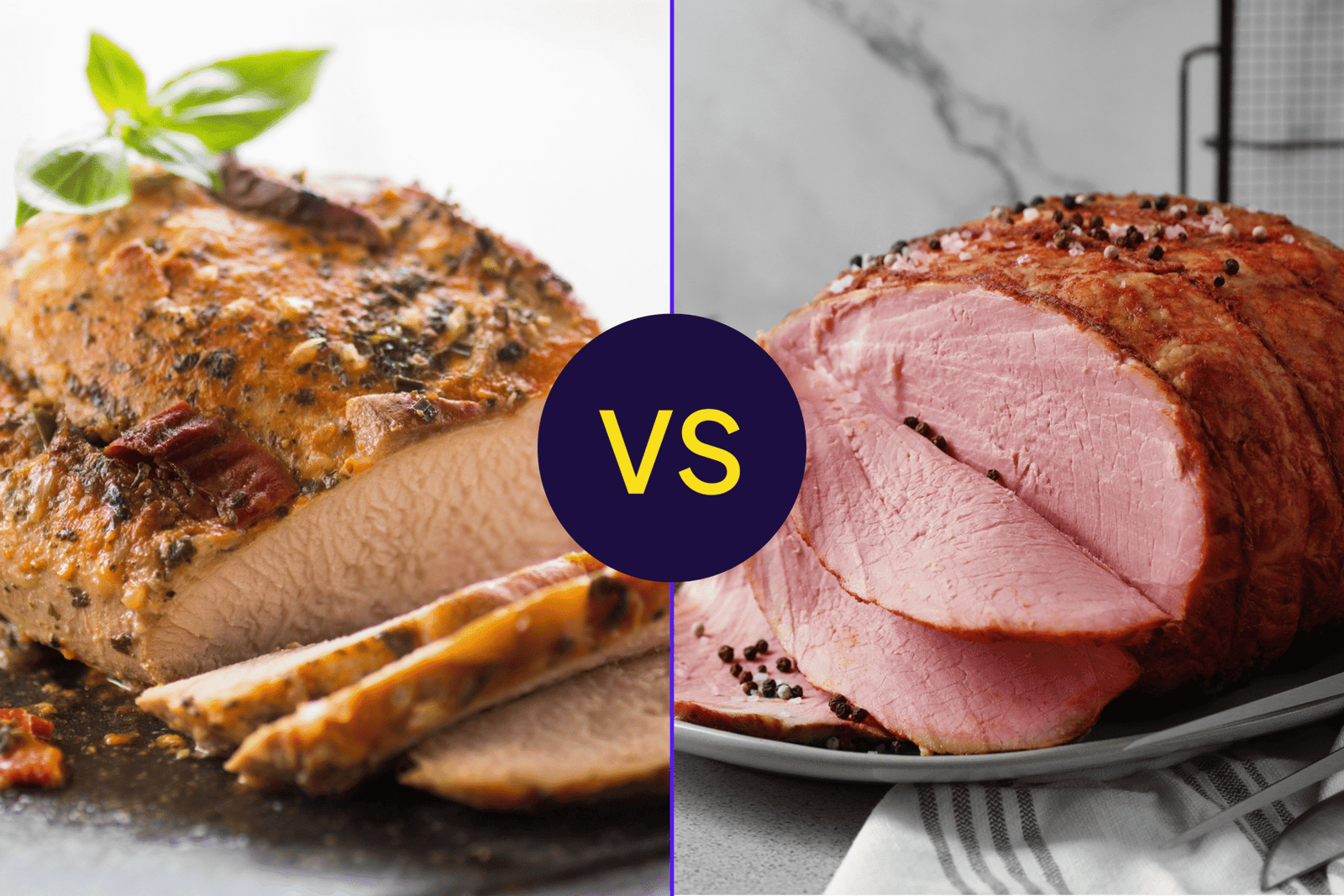
Ham and turkey are great protein options, but if you’re managing high blood pressure or cholesterol, turkey is a healthier pick. However, both proteins can fit into your diet with the right adjustments.
Ham contains more sodium than turkey because it is processed (often cured or smoked). However, there are some healthful swaps you can make when serving ham, such as choosing low-sodium ham, seasoning meats with salt-free alternatives (such as herbs and garlic), or reducing the amount of glaze on the meat.
“For heart health, roasted, skinless turkey—especially breast meat—is a significantly healthier choice than ham,” Johanna Contreras, MD, a cardiologist at Mount Sinai Fuster Heart Hospital in New York City, told Health. Turkey is naturally low in sodium and saturated fat–low levels of both support healthier blood pressure and cholesterol levels.
Excess sodium is one of the leading causes of high blood pressure (hypertension), which can lead to serious conditions such as stroke or heart disease if not treated or managed.
Lean, skinless turkey breast is the best pick for your heart, but portion sizes and balance matter.
Both turkey and ham can affect your cholesterol. Turkey skin and the edges of ham are both natural sources of saturated fat, which can raise levels of low-density lipoprotein (LDL, the “bad” cholesterol) over time. That can lead to a buildup of plaque (fat deposits) in the arteries, which raises the risk of heart disease and stroke.
“The leanest options are skinless poultry (white meat) and unprocessed lean pork cuts,” Grace Derocha, RDN, CDCES, a registered dietitian and spokesperson for the Academy of Nutrition and Dietetics, told Health.
A 3-ounce (84-gram) serving of ham has:
- Calories: 209
- Protein: 15.72 grams (g)
- Sodium: 1,089 milligrams (mg)
- Saturated fat: 5.64 g
Keep in mind that hams are often double-processed through curing and glazing, which adds additional sodium and sugar to the numbers above.
A 3-ounce serving of whole roasted turkey has:
- Calories: 170
- Protein: 24 g
- Sodium: 55 mg
- Saturated fat: 2.5 g
Roasted turkey is the healthiest option, but brined or skin-on turkey roasts can increase sodium and saturated fat levels, respectively.
Whether you choose turkey or ham, there are some practical strategies you can use to serve a heart-healthy dinner. These include:
- Use minimal-sodium seasonings and herbs for flavor: “You can try using a lower-sodium or no-sodium brine or use fresh herbs and spices with fresh citrus,” said Theresa Gentile, RDN, CDN, and spokesperson for the Academy of Nutrition and Dietetics.
- Pair proteins with potassium-rich sides: “Vegetables, legumes, fruit, and potatoes (with skin) are potassium-rich and help blunt sodium’s effect on blood pressure,” said Derocha.
- Serve gravy or glazes on the side, or reduce the amount of glaze: “You could use half the glaze for less sugar overall or use strong flavors, like orange zest and rosemary, for a no-added sugar glaze,” said Gentile.
- Practice portion control: “Keep meat portions to about 3-4 ounces, cooked (about a deck of cards or the size of a palm),” said Derocha.
- Cook the turkey with skin on, but remove it before serving: According to Derocha and Gentile, roasting it with the skin retains moisture, keeping the meat juicy.
- Baste with olive oil instead of butter: This reduces saturated fat.
