

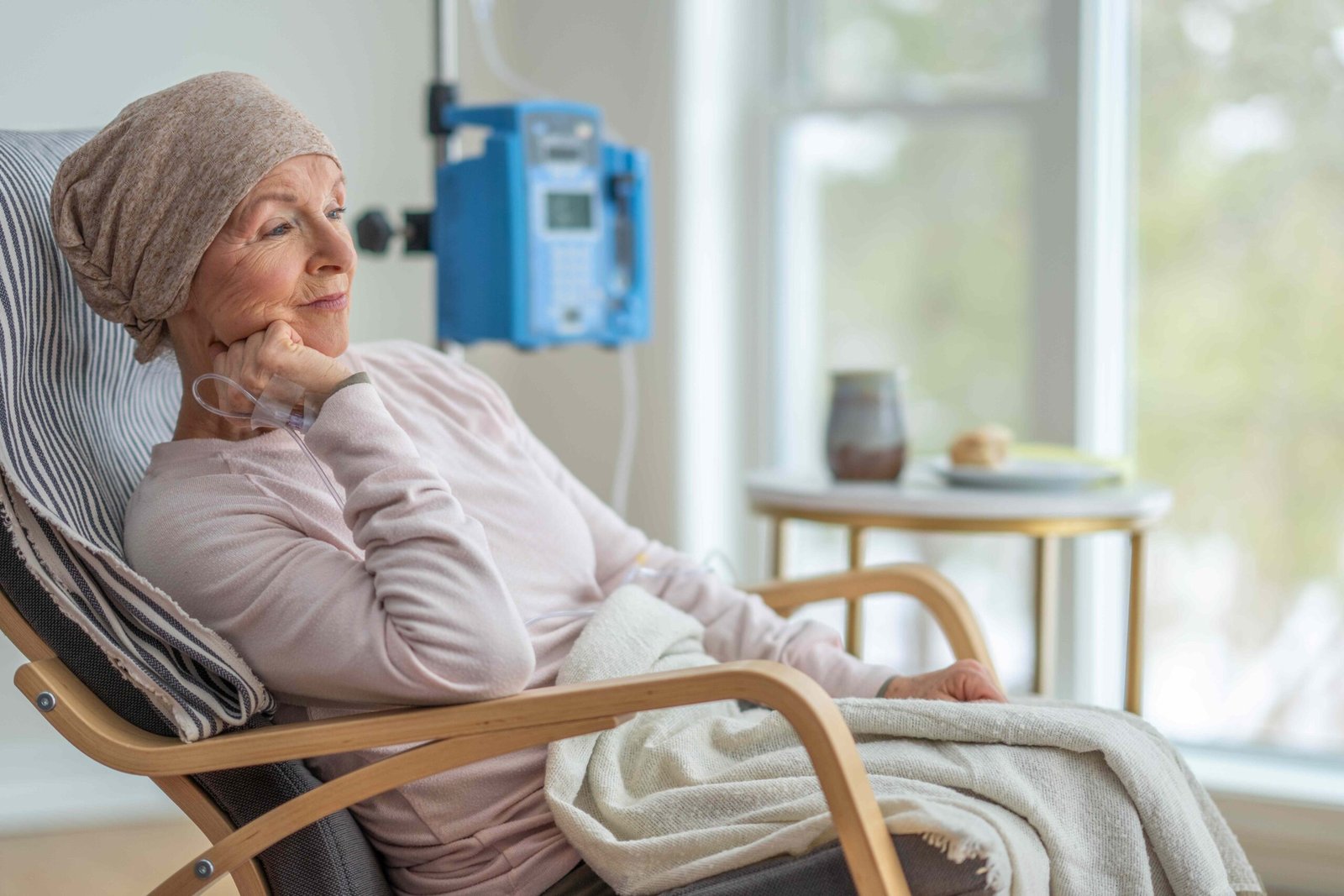
About 40% of people with non-small cell lung cancer (NSCLC)—a type of cancer that begins in the tissues of your lungs—have metastatic disease at the time of their diagnosis. Metastatic NSCLC refers to lung cancer that has spread to areas of the body, such as the bones or liver, that are further from the lungs (known as distant areas).
When you have metastatic NSCLC, treatment options usually focus on pain control and quality of life.
Metastasis refers to the process by which cancer cells spread to other areas of your body.
NSCLC begins in the lung tissues and can spread to other areas of your body through your blood or lymphatic system (a part of your immune system). Metastatic non-small cell lung cancer (NSCLC) is also referred to as stage 4 NSCLC.
NSCLC can spread to any area of the body, but the most common sites include:
- Brain (47%)
- Bones (36%)
- Liver (22%)
- Adrenal glands (15%)
- Thoracic (chest) cavity (11%)
- Distant lymph nodes (10%)
NSCLC may cause a range of symptoms, depending on where the cancer cells have spread. Possible symptoms of metastatic NSCLC may include:
- Respiratory symptoms: NSCLC commonly causes coughing, trouble breathing, hoarseness, wheezing, chest pain, and coughing up blood. It may also cause trouble swallowing and shortness of breath.
- Neurological symptoms: When NSCLC spreads to the brain, it may cause balance problems, headaches, confusion, seizures, and dizziness.
- Bone pain: When NSCLC spreads to the bones, it may cause bone pain, weakening, and fractures.
- Jaundice: NSCLC that spreads to the liver may cause swelling in your abdomen, known as ascites, and yellowing of the skin and eyes.
- Fatigue and weight loss: Metastatic cancer often causes significant fatigue and unintended weight loss.
Metastatic cancer may also cause paraneoplastic syndromes. This term refers to groups of symptoms caused by a tumor. About 10% of people with metastatic NSCLC experience a paraneoplastic syndrome. Common symptoms may include:
In many cases, NSCLC does not cause symptoms in the early stages. For this reason, many people receive a diagnosis when the cancer has already metastasized to other areas of the body. Only a small percentage of people with NSCLC are diagnosed in an early stage.
If your healthcare provider suspects metastatic NSCLC, they may recommend the following tests to help them make a diagnosis:
- Chest X-ray: An X-ray is usually the first test healthcare providers use to look for a tumor in the lungs. If the chest X-ray is abnormal, your healthcare provider will likely order additional testing.
- Imaging studies: Computed tomography (CT) scans, magnetic resonance imaging (MRI) scans, or positron emission tomography (PET) scans can help detect cancerous tumors and metastasis.
- Biopsy: Your healthcare provider may take a tissue sample from your lung for examination under a microscope to diagnose cancer cells.
- Genetic testing: These tests help determine if the tumor has certain gene mutations that can be treated with targeted therapy.
The goal of metastatic NSCLC treatment is to manage the symptoms and improve quality of life. No cure is available, but several treatment options may help improve pain and help you live longer.
Treatment plans can vary depending on several factors, including where the cancer has spread. Possible treatment options may include:
- Chemotherapy: Drugs that kill fast-growing cells (including cancer cells)
- Radiation therapy: High-energy beams that kill cancer cells
- Targeted therapy: Drugs and treatments that target certain proteins on cancer cells
- Immunotherapy: Drugs and treatments that boost or suppress the immune system’s response to cancer cells
- Surgery: Surgical procedures to remove part or all of a tumor to improve symptoms such as pain or shortness of breath
- Photodynamic therapy: Drugs that are activated by light to kill cancer cells
- Laser therapy: A laser procedure to remove or destroy a cancerous tumor
These treatments can shrink cancerous tumors to improve symptoms such as pain or difficulty breathing. Other treatment options to provide comfort include:
- Thoracentesis: A procedure to drain fluid buildup around your lungs
- Pleurodesis: A procedure to remove fluid from your chest cavity and prevent it from coming back
- Pericardiocentesis: A procedure to drain fluid from around your heart
- Stent placement: A procedure to keep your airway open and prevent a tumor from blocking it
Potential Treatment Side Effects
Cancer treatments can cause several side effects. Depending on your treatment plan, you may experience any of the following side effects:
- Chemotherapy effects: Hair loss, nausea, vomiting, diarrhea, mouth sores, infection
- Radiation therapy effects: Fatigue, rash, lung inflammation (radiation pneumonitis)
- Targeted therapy effects: Skin rash, dryness, and itching; high blood pressure; swelling
- Immunotherapy effect: Flu-like symptoms, swelling, diarrhea, infection
Metastatic NSCLC Survival Rate
Metastasis raises the risk of cancer death, and metastatic NSCLC has no cure. The five-year survival rate for metastatic NSCLC is 9%. This means that 9% of people with metastatic NSCLC will still be alive five years after diagnosis.
A cancer diagnosis can be an overwhelming and frightening experience. Reach out to close friends or family members for support. Your medical team may include a psychologist or therapist to support you as well.
To learn more about metastatic NSCLC and the resources available, consider looking into the following organizations:
The most common sites for metastasis for non-small cell lung cancer (NSCLC) include the brain, bones, and liver. Possible symptoms of metastatic NSCLC include a chronic cough, shortness of breath, pain, fatigue, and unintended weight loss. Several treatment options can help ease the symptoms and improve your quality of life.
