

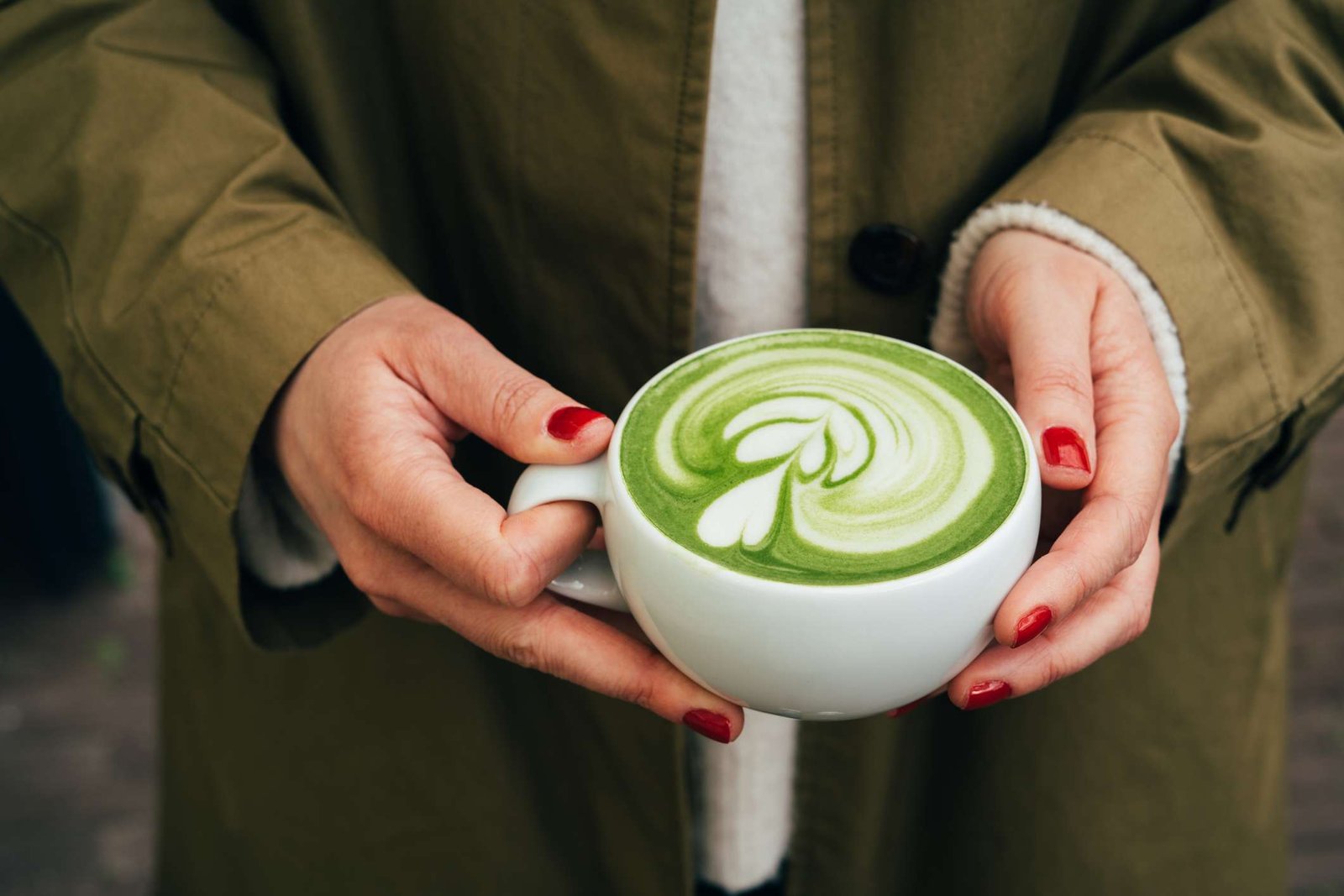
Matcha is a type of green tea that contains a range of plant compounds and antioxidants. These nutrients help reduce inflammation in the body, support immunity, and encourage cardiometabolic health—but they may also help support weight loss and management.
Research shows that matcha can aid in weight loss due to the unique combination of nutrients it offers.
Matcha contains caffeine and epigallocatechin gallate (EGCG), a catechin or a powerful antioxidant compound found in plants. “The dynamic duo of EGCG and caffeine in matcha work synergistically to potentially boost metabolism, enhance fat oxidation, improve insulin sensitivity, and naturally curb appetite,” registered dietitian Stacey Woodson, MS, RDN, LDN, told Health.
Matcha also supports your gut microbiome. Additionally, a 2023 randomized control trial linked matcha to decreased fatigue and improved muscle adaptation after resistance training—further supporting weight loss-related pursuits.
The evidence is promising, but matcha is not a magic bullet and won’t be a weight-loss miracle on its own.
“Healthy weight loss is best supported by a balanced diet, adequate hydration, and regular physical activity,” said Woodson. “While not necessary, matcha can be enjoyed as part of this overall approach.”
“For most people, one to two servings per day (about 1/2 to one teaspoon of high-quality matcha powder) is enough to experience the benefits without overdoing it on caffeine,” Jennifer Nicole Bianchini, MS, RD, IFNCP, RYT, functional dietitian, mind-body wellness expert, and founder of Body to Soul Health, told Health.
Though the market is flooded with matcha-infused dietary supplements, both dietitians agree that opting for matcha in its whole-food form is best.
“Matcha supplements may offer convenience and concentrated antioxidants, but I recommend sticking with the traditional beverage,” said Woodson. “Some studies have linked high doses of EGCG—over 338 milligrams per day—to potential liver injury, a risk not typically associated with drinking matcha in its natural form.”
In that case, choosing ceremonial-grade matcha is your best bet, it’s the highest-quality whole-food matcha option available. But be aware of add-ins—many matcha drinks and baked goods contain added sugar that can undermine your weight loss goals.
You can use matcha to make traditional teas or lattes, or add it to smoothies and even your own baked goods.
Matcha is generally safe for most people to consume. However, if you’re sensitive to caffeine, it may be best to limit your intake or opt for regular green tea, which contains less caffeine than matcha.
Some individuals may experience gastrointestinal symptoms like gas or bloating from matcha, so start slowly if you’re new to the beverage. Additionally, the catechins in matcha may interact with certain medications, so be sure to consult your doctor before starting if you take prescription drugs.
