

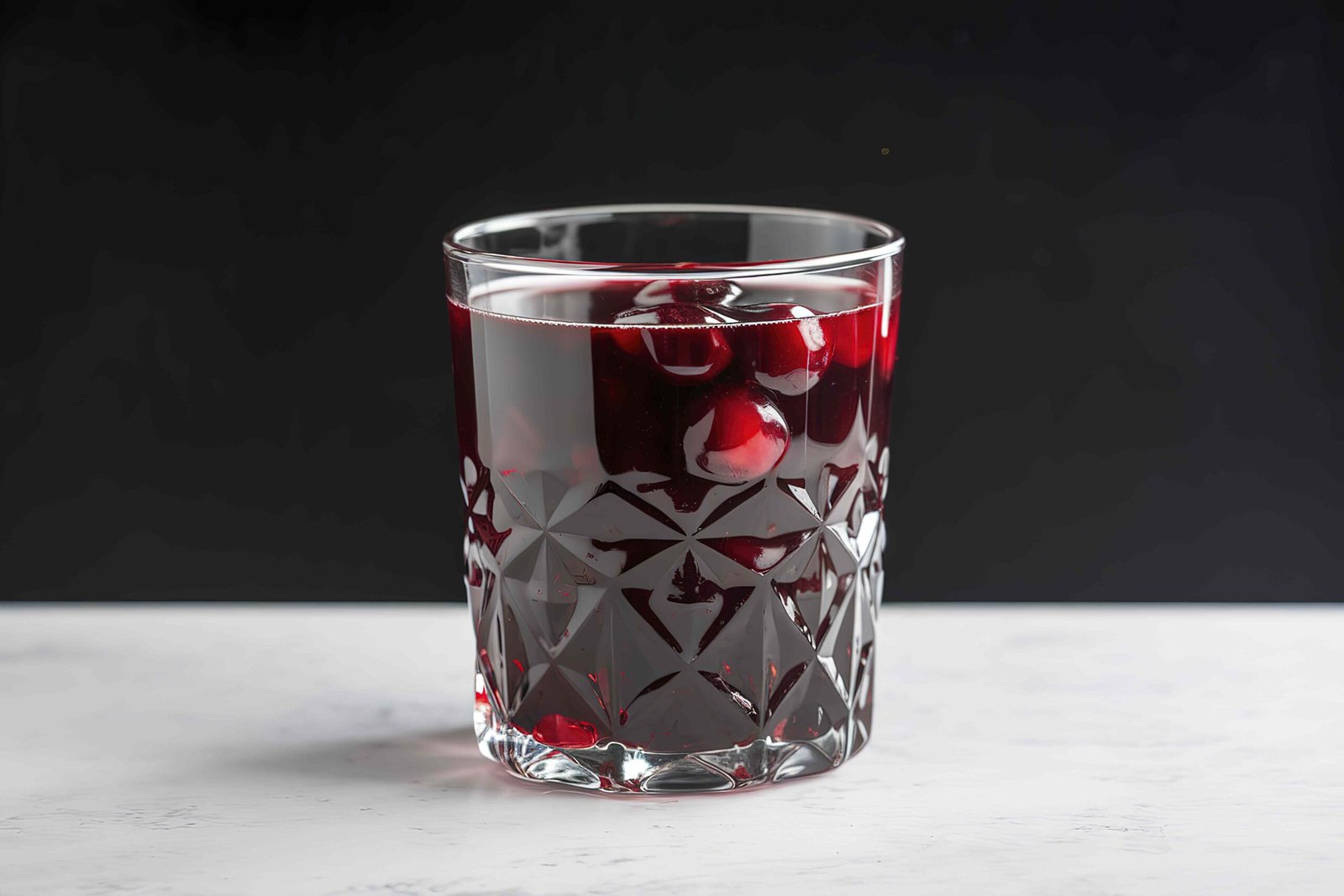
Tart cherry juice is hailed on social media as a natural way to improve sleep quality, but what really happens when you drink it before you turn in? Here’s what to know.
Drinking tart cherry juice may help support sleep. Cherries contain melatonin, a hormone that helps regulate sleep and may reduce insomnia.
Tart cherries—also known as Montmorency or sour cherries—contain especially high amounts of melatonin and also provide tryptophan, an amino acid (protein) from which the body synthesizes melatonin.
One study found an association between improved sleep efficiency and drinking about 8 ounces of tart cherry juice twice a day for two weeks.
Consuming just 8 to 12 ounces of tart cherry juice or 1 to 2 ounces of juice concentrate can promote sleep. It’s a good idea to start with a smaller amount, then add more or less based on how your body reacts to the juice.
The optimal time to drink tart cherry juice is one to two hours before bed. However, research suggests that you may still see sleep-related benefits if you drink tart cherry juice in the morning as well.
Make sure to give your body plenty of time to break down melatonin and tryptophan, and adjust the timing based on how your body reacts to the juice.
Beyond sleep, preliminary studies suggest tart cherry juice may provide possible benefits like:
- Exercise recovery and a decrease in or prevention of soreness
- Improved immune system response to endurance activities
- Decreased inflammatory markers
- Lowered risk of cognitive decline by lowering blood pressure and cholesterol
As with just about all food and drinks, you could have or develop an allergy to tart cherry juice. Even if you have not been allergic to it before, allergic reactions can happen.
The carbohydrate content in tart cherry juice may also be a concern, especially if you have diabetes or follow a low-carb diet.
Medication Interactions
Talk with a doctor before using tart cherry juice if you are taking medications. There are no known interactions between tart cherry juice and medications.
However, it could interact with any medication that melatonin supplements could interact with. These include:
- Anticoagulants (blood thinners) or antiplatelet medications for blood clots
- Anticonvulsants for seizures
- Birth control pills
- Caffeine
- Diabetes medications
- Hypertension (high blood pressure) medications
- Immunosuppressants
