

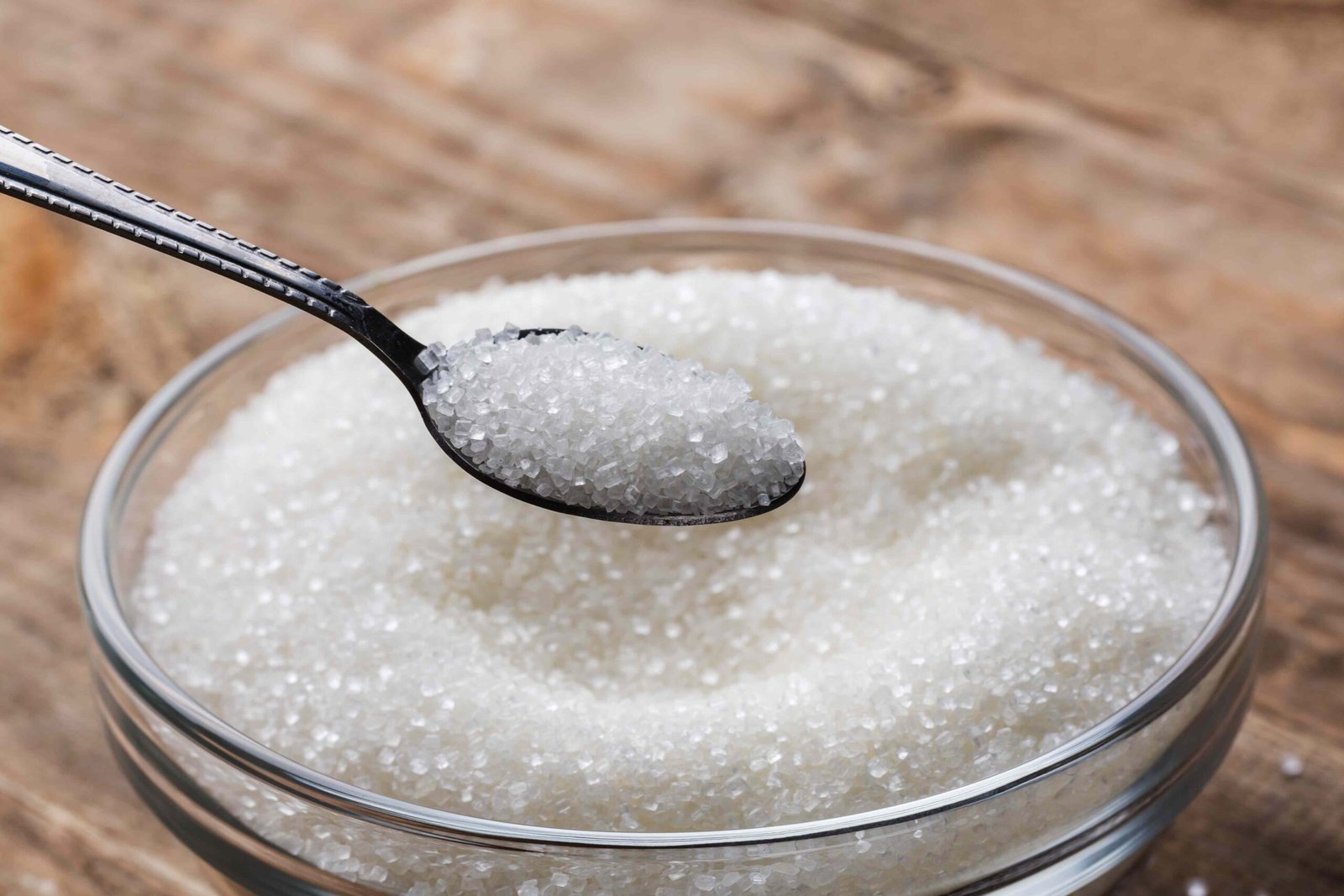
If you’re looking for sweetness without the calories of sugar, it may seem like a no-brainer to choose foods flavored with artificial sweeteners like aspartame, sucralose, stevia, and xylitol.
Research, however, suggests the choice isn’t so simple. It’s true that artificial sweeteners are extremely low in calories and don’t spike blood sugar like the regular stuff does—but studies have also linked them with worrying effects on the heart and brain, among other health problems.
Should you avoid artificial sweeteners? Here’s what to know.
People often turn to artificial sweeteners in hopes of losing weight or controlling blood sugar, both of which can benefit heart health. And for certain people, such as those with diabetes or obesity, that may be an appropriate choice, said Kate Townsend Creasy, PhD, an assistant professor of nutrition science at Penn Nursing.
On the other hand, some research suggests that regularly consuming artificial sweeteners may actually increase your risk of some heart problems.
For example, a large 2022 study found that frequent artificial sweetener consumption was associated with a higher risk of cardiovascular issues. Specifically, aspartame (sold under brand names like Equal) was linked with a higher risk of cerebrovascular events, such as strokes. Acesulfame potassium (which is found in foods like sweets and yogurts) and sucralose (sold under the brand name Splenda) were linked with coronary heart disease.
Sugar alcohols, a class of sweeteners that includes xylitol and erythritol, have also been linked to higher risks of cardiovascular problems, such as heart attacks and strokes. These products are commonly used in low-sugar beverages and desserts.
Still, studies have come to different conclusions about how these products affect heart health, so “it’s essential to recognize that research is still ongoing, and further evidence is needed to fully understand these effects,” cautioned Lana Nasrallah, RD, MPH, LDN, the manager of clinical nutrition in the department of family medicine at UNC Health.
In 2025, a study published in Neurology generated lots of scary headlines. It found an association between regular consumption of artificial sweeteners and faster cognitive decline, and specifically highlighted the potential harms of aspartame, saccharin, acesulfame potassium, erythritol, sorbitol, and xylitol.
Older research also suggests that drinking lots of artificially sweetened soft drinks is associated with higher risks of dementia.
As with cardiovascular disease, more research is needed to understand exactly how artificial sweeteners affect the brain, Creasy said. But it appears that they may threaten health by increasing inflammation and oxidative stress, she said.
Cognitive risks aside, artificial sweeteners, such as sucralose, also seem to mess with the brain’s appetite and hunger signals.
Some of these products are hundreds of times sweeter than sugar, explained Julia Zumpano, RD, a registered dietitian with the Cleveland Clinic. “That enhances your desire and your craving for sugar, even though you’re not actually eating sugar,” she said.
The U.S. Food and Drug Administration maintains that artificial sweeteners can be safely consumed up to certain limits. For example, the agency says you can eat 23 packets of Splenda per day before exceeding limits.
But there’s a difference between “safe” and “an optimal health choice,” Creasy told Health.
In general, “it’s advisable to limit artificial sweeteners as much as possible,” she said. “If you can eat fewer processed foods, in general, that is going to be the best outcome for your health.” (People with diabetes or obesity, however, may want to consult a doctor about the pros and cons of replacing some full-sugar foods with artificially sweetened ones, Creasy noted.)
Moderation is key, but don’t panic about having an artificially sweetened dessert or drink every now and then. “Heart disease and cognitive decline aren’t caused by any single ingredient or food,” Nasrallah told Health. “They’re influenced by overall eating habits … alongside genetics, physical activity, lifestyle choices, and other factors.”
For most people, Zumpano said, it would actually be better to consume a small amount of real sugar (or a natural alternative like honey or maple syrup) each day, rather than lots of artificial sweeteners.
“Everyone’s so fearful of sugar,” she said. “Hopefully, we can just control the sugar to a reasonable amount and still consume it, versus having to consume excessive amounts of products that are artificially sweetened.”
If you do choose to eat artificial sweeteners, some seem to be better than others. At least based on current data—and more is needed—plant-based sweeteners, including stevia and monk fruit, seem to carry fewer health risks than other options on the market, Zumpano said.
As for the absolute healthiest and safest way to add sweetness to your diet? That’s good, old-fashioned fruit, Nasrallah said.
“Fruits are excellent for flavoring water, enhancing recipes, or enjoying as a sweet snack on their own,” she said. “Besides their sweetness, fruits offer fiber, vitamins, and antioxidants, benefitting your entire body—including the heart and brain.”
