

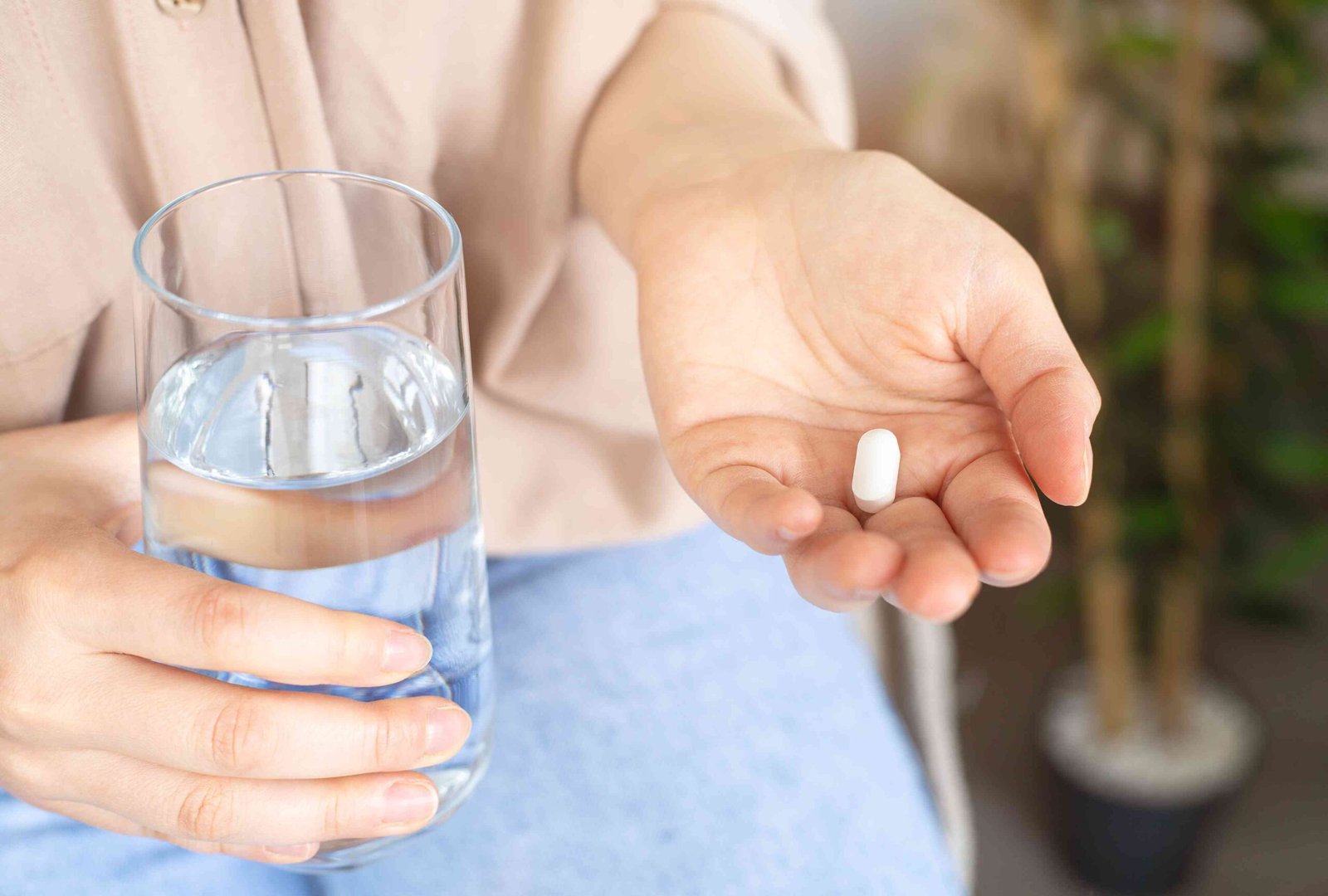
Zinc is a mineral that’s essential to the body for immune function and hormone production, among other things—but humans don’t produce zinc on their own. The only way to get enough zinc in your diet is through foods rich in zinc or in supplement form. Here’s how and when your body might benefit from taking a zinc supplement.
Most people in the U.S. consume enough zinc—but some populations (older people, people with gastrointestinal disorders, vegans or vegetarians, and pregnant or lactating people) may be at risk for zinc inadequacy.
Not getting enough zinc in your diet can result in decreased skin, bone, digestive, reproductive, and immune system health. Additionally, zinc deficiency can interfere with your sense of taste and smell; and in older adults, it can interfere with wound healing and impact cognitive and psychological function.
In men and women over the age of 19, the average recommended daily intake of zinc—from food and supplements combined—is 13 milligrams per day and 9 milligrams per day, respectively.
Many people turn to zinc for the short term to combat colds due to its impact on immunity. The research on zinc’s effect on the common cold has been mixed.
In one study, published in 2017, researchers found that people with a cold who took zinc lozenges recovered faster than those who did not. About 70% of the people who took zinc had recovered after five days compared to 27% of those who took placebos.
Other research, however, has found that zinc may not have any impact on cold recovery rates. Consult a healthcare provider about the form, dose, and length of use if you try zinc when you feel a cold coming on.
Some research suggests that zinc may be a promising, low-cost alternative to other topical or systemic acne treatments.
Acne results from clogged sebum (oil) glands, bacteria, and inflammation. Zinc has been shown to decrease inflammation, protect against bacterial growth, and reduce oil gland activity.
Speak to your healthcare provider or dermatologist before trying zinc as an acne treatment.
Age-related macular degeneration (AMD) is the leading cause of vision loss in older people.
Research has shown that taking supplements that have both zinc and antioxidants may delay the progression of AMD in patients who have it. Other research shows that there may be a link between higher zinc intake and a reduced risk of AMD.
People who have or are developing AMD should talk to their healthcare provider about their zinc intakes and the possibility of taking supplements.
People with type 2 diabetes often have low levels of zinc, which has led researchers to believe that zinc may play a role in disease progression.
Some research has shown that the risk of type 2 diabetes is lower in people with higher zinc intakes; other studies have looked at using zinc supplements as potential ways to manage type 2 diabetes and its complications.
More research is needed on the impact of zinc supplements on the prevalence or severity of type 2 diabetes.
You can obtain the recommended DV of zinc through a nutrient-rich, balanced diet. The recommended DV for zinc depends on the person:
Age
Women
Men
0 to 6 months
2 mg
2 mg
7 months to 3 years
3 mg
3 mg
4 to 8 years
5 mg
5 mg
9 to 13 years
8 mg
8 mg
14 to 18 years
9 mg
11 mg
19 years and older
8 mg
11 mg
Pregnant people and those who are breastfeeding need slightly more zinc than others. Pregnant people aged 14 to 18 need 12 mg, and those aged 19 and older need 11 mg. Breastfeeding people aged 18 to 18 need 13 mg, and those aged 19 and older need 12 mg.
Zinc is generally safe if you take 40 mg every day. Taking more than this amount can reduce the absorption of copper in the body. A single dose of 10–30 grams (g) can be deadly. Getting your zinc solely through your diet reduces the risks of taking too much zinc in supplement form.
Possible Side Effects
The tolerable upper intake level (UL) for zinc, which includes both foods and supplements, is 40 mg per day for people aged 19 and older. A long-term intake above that amount increases your risk of adverse health effects unless a healthcare provider monitors for a specific condition
Consuming too much zinc can trigger side effects, including:
- Abdominal cramps
- Altered copper and iron function
- Diarrhea
- Headaches
- Loss of appetite
- Low HDL (“good”) cholesterol
- Nausea or vomiting
- Weakened immunity
Keep in mind that more zinc isn’t necessarily better. Ask about the dose, form, frequency, length of use, and when and how to take it if a healthcare provider recommends a zinc supplement.
Potential Drug Interactions
Zinc supplements may interact with the following medications:
- Antibiotics: Zinc may reduce how much quinolone or tetracycline antibiotics your body absorbs, which can make these drugs less effective.
- Cuprimine and Depen (penicillamine): These medications treat heavy metal toxicity and rheumatoid arthritis (RA). Zinc might reduce how much penicillamine the body absorbs. A healthcare provider might advise you to take penicillamine and zinc two hours apart.
- Integrase inhibitors: Zinc may decrease how much of these drugs, which treat human immunodeficiency virus (HIV), your body absorbs. This can make them less effective.
- Keflex (cephalexin): This drug treats certain bacterial infections. Zinc may decrease its absorption in the body. You might need to take cephalexin and zinc three hours apart.
- Midamor (amiloride): This medication is a diuretic (water pill). Zinc may increase its absorption in the body and vice versa.
- Norvir (ritonavir) and Reyataz (ataznavir): These drugs both treat HIV. Zinc can reduce how much of these drugs are absorbed by the body.
- Platinol-AQ (cisplatin): Zinc can make this medication, which treats cancer, ineffective.
The National Institutes of Health (NIH) does not recommend meeting your DV for zinc by taking supplements. If possible, it’s important to get enough zinc through your diet. Obtaining zinc through food can broaden your overall nutrient intake. Zinc-containing foods offer other vital nutrients, including antioxidants, fiber, minerals, protein, and vitamins.
Getting Zinc Through Food
Zinc is readily found in both animal and plant-based foods, such as:
- Beef, pork, and turkey breast
- Blue crab, oysters, sardines, and shrimp
- Blueberries
- Broccoli
- Eggs
- Greek yogurt and milk
- Kidney beans and lentils
- Peanuts and pumpkin seeds
- Rice
- Whole-wheat bread
Even vegetarians and vegans can eat enough zinc. Adult vegetarians have zinc intakes within the normal range. An adult’s body can adapt to a vegetarian diet in ways that help optimize zinc status. The body may develop an increased absorption and retention of zinc.
Supplement Form
If you must take zinc in supplement form, you can work with a healthcare provider to select the best dose. You might need to adjust the quantity since zinc can interact with certain medications, conditions, and other supplements. Zinc is likely safe for pregnant people, those who are breastfeeding, and children. These groups should not take more than the recommended DV.
There are numerous zinc supplements, such as zinc gluconate, picolinate, acetate, and citrate. Zinc also exists in various forms, including gels, lotions, mouth rinses, ointments, and oral supplements. These products are typically taken by mouth or applied to the skin. You should always check with a healthcare provider before adding any new supplements to your diet.
Health.com uses only high-quality sources, including peer-reviewed studies, to support the facts within our articles. Read our editorial process to learn more about how we fact-check and keep our content accurate, reliable, and trustworthy.
Office of Dietary Supplements. Zinc – health professional fact sheet.
Hemilä H, Fitzgerald JT, Petrus EJ, et al. Zinc acetate lozenges may improve the recovery rate of common cold patients: An individual patient data meta-analysis. Open Forum Infect Dis. 2017;4(2):ofx059. doi:10.1093/ofid/ofx059
Hemilä H, Haukka J, Alho M, et al. Zinc acetate lozenges for the treatment of the common cold: A randomised controlled trial. BMJ Open. 2020;10(1):e031662. doi:10.1136/bmjopen-2019-031662
Cervantes J, Eber AE, Perper M, et al. The role of zinc in the treatment of acne: A review of the literature. Dermatol Ther. 2018;31(1):10.1111/dth.12576. doi:10.1111/dth.12576
MedlinePlus. Zinc.
Academy of Nutrition and Dietetics. How to keep your immune system healthy.
