

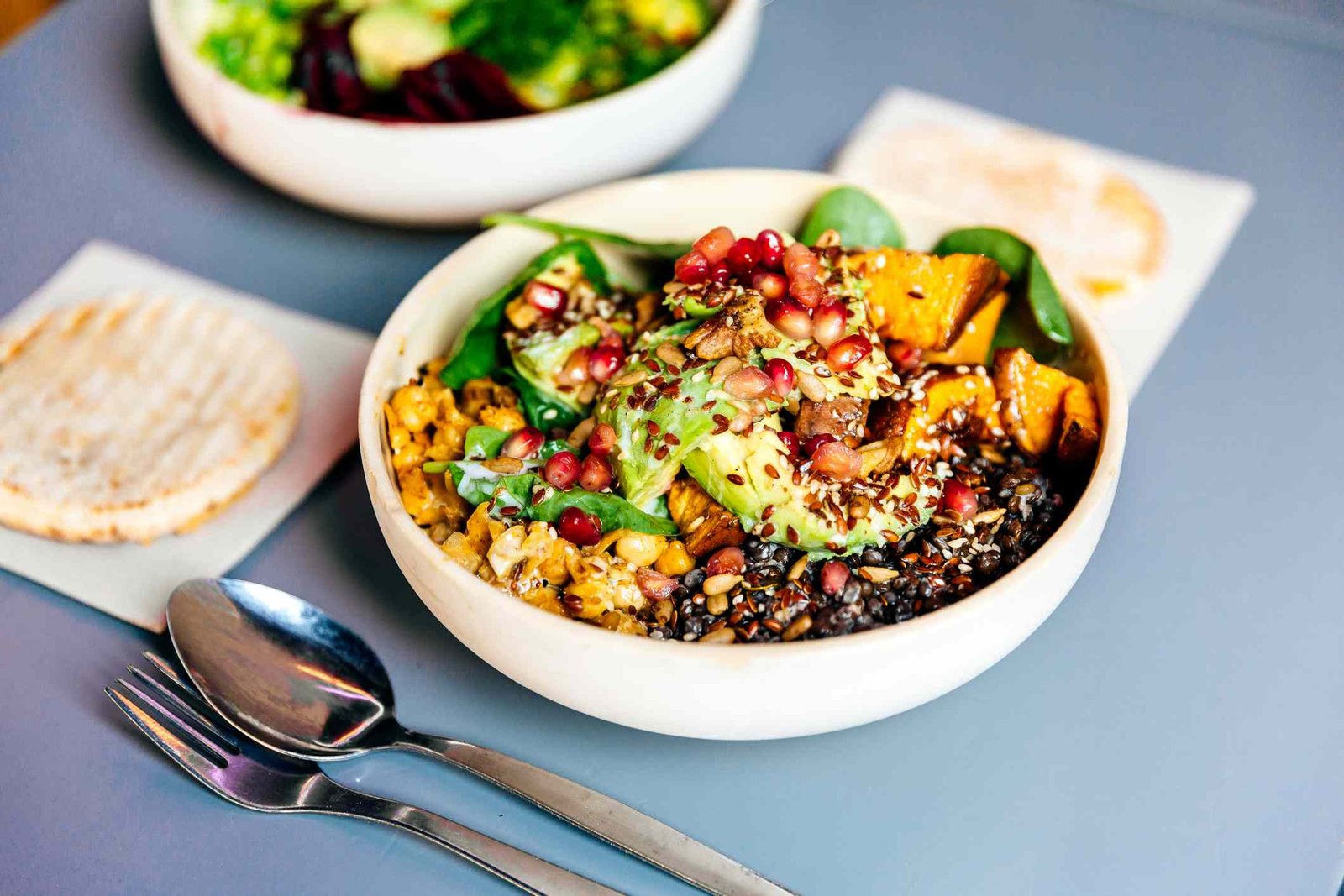
Plant-based diets limit meat or leave it out of the diet altogether. This change in diet can affect your heart health, blood sugar, and digestion.
Plant-based foods are generally lower in saturated fat, cholesterol, and sodium compared to meats. They’re also higher in fiber, antioxidants, and potassium. All of this together supports healthy blood cholesterol, blood pressure, and overall heart function.
Studies suggest that eating plant-based diets can lower cholesterol levels. It’s also linked to a lower risk of developing heart disease and dying from heart disease.
A study suggests that people who ate more red meat had about a 9% higher risk of colorectal cancer and a 13% higher risk of colon cancer.
Meat can also affect gut microbiota. Eating a lot of processed red meat can lower the number of different bacteria in your gut. A diverse gut microbiome is important for digestion because it helps break down food, absorb nutrients, and keep bowel movements regular.
Eating more plant-based foods also increases your fiber intake. Fiber helps with bowel movements. It both adds bulk and softens the stool. It also supports beneficial gut bacteria.
Plant-based diets are usually rich in fiber. Studies suggest that eating more fiber can help lower blood sugar and increase insulin sensitivity.
However, you are not likely to see the same benefits if you replace meat with ultra-processed plant foods or low-fiber, high-sugar foods.
A plant-based diet may help reduce calorie intake and improve gut microbiota, blood sugar, and lipid levels. All these changes together may support weight loss and maintenance.
The type of plant foods you eat plays an important role. Studies show that eating more whole plant-based foods is linked to less weight gain over four years. In contrast, plant foods such as fries, refined grains, and sweet foods are associated with greater weight gain.
Protein is crucial for health. Your body needs protein for hormone production and for building and repairing tissues. It also plays a role in muscle, immune system function, and skin, hair, and nail health.
A study looked at protein and nutrient intake in both people following plant-based diets and people who ate meat. Protein intake was lower in people following plant-based diets compared to meat-eaters, but it was still within the recommended intake.
Many plant foods, like whole grains, beans, legumes, nuts, and seeds, provide protein. Non-meat animal foods like eggs and dairy provide high-quality protein, too. This means it’s possible to get enough protein from a meatless diet.
Some nutrients are found more in animal foods. A study showed that people following plant-based diets had lower vitamin B12, vitamin D, iron, zinc, iodine, calcium, and omega-3 fatty acids than meat-eaters.
When switching to a plant-based diet, it’s important to make sure you’re getting all the essential nutrients, either through foods or supplements.
A meatless diet is not automatically healthy. Plant-based diets can also be high in calories, saturated fat, and sodium. Here are ways to plan a nutritious and balanced meatless diet:
- Decrease meat intake gradually: A gradual decrease can help if you want to cut meat. Starting with processed meats can be a good option to reduce saturated fat and sodium.
- Add protein to meals and snacks: Whole grains, beans, peas, lentils, nuts, and seeds have protein. Add one or more of these foods to your meals and snacks to increase daily protein intake.
- Eat egg and dairy: Egg and dairy are great sources of protein and minerals, such as calcium, vitamin D, iron, and zinc, which may be lacking in people eating a meatless diet.
- Read labels: Many meat substitutes are made from legumes, grains, and soybeans. They can provide protein and essential nutrients, but can also be high in calories, saturated fats, sodium, and additives. Read the nutrition facts label and ingredients to find nutrient-dense products with minimal ingredients.
- Consult your healthcare provider: Talk to your provider before following a meatless diet. Not eating any type of meat can cause you to get less protein and essential minerals. Your healthcare provider can help you plan out your diet to avoid deficiencies.
