

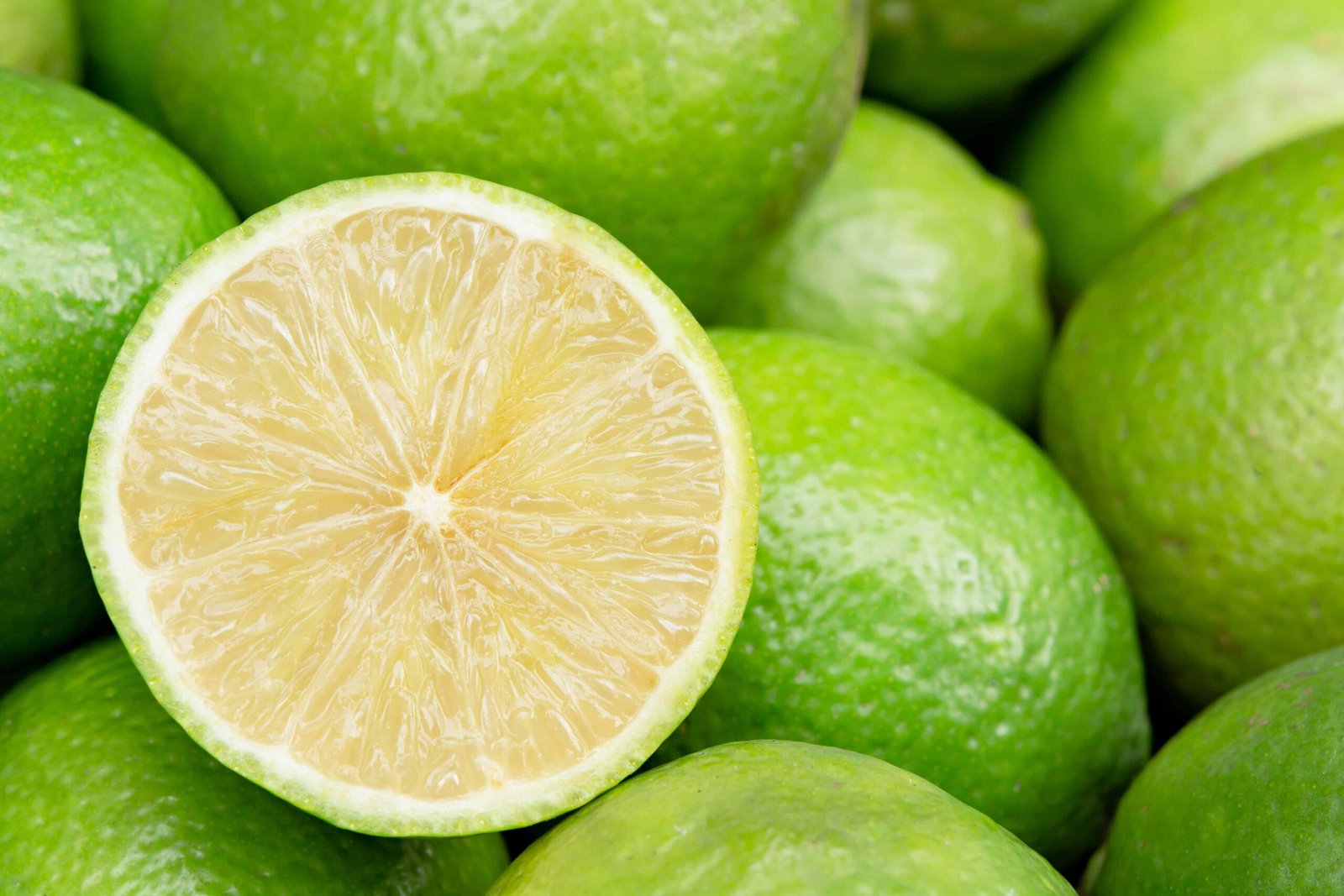
Limes are a type of citrus fruit, known for their tart and tangy taste. The small green fruits—mainly used for their juice and zest—are packed with antioxidants that offer a variety of health benefits, including for your heart and immunity.
Kidney stones are pebble-like masses that form in your kidney. The stones form when your urine has too many minerals or chemicals like calcium or oxalate. The excess waste forms crystals that attract other elements and develop into hard masses.
Poor hydration, too much or too little exercise, and excess sugar or sodium in the diet are some risk factors for developing kidney stones. Larger stones may cause intense pressure, pain, and discomfort as they pass through the urinary tract.
Citrus fruits such as limes contain moderate amounts of citrate, a substance that naturally inhibits the formation of kidney stones. Fresh lime juice, in conjunction with the medication or mineral supplement potassium citrate that treats kidney stones, may improve the amount of calcium excreted through your urine. Because lime juice helps release calcium through your urine, you may be less likely to form kidney stones.
Helicobacter pylori (H. pylori) is a bacterial infection that has a unique ability to thrive in the stomach’s acidic environment. The infection is associated with sores in your stomach (peptic ulcers), stomach inflammation (gastritis), and stomach cancer. About 30%-40% of people in the U.S. get an H. pylori infection.
Citrus fruits contain high amounts of bioactive compounds that provide anti-inflammatory, antioxidant, and anticancer benefits. Research suggests that citrus fruits and their flavonoids (natural plant chemicals) may have protective effects against H. pylori and its associated risks. Test tube studies have indicated that lime and other citrus extracts decrease H. pylori’s ability to survive. More human studies are needed to conclude these findings.
Like other citrus fruits, limes contain a wide range of vitamins, minerals, and antioxidants that support your immune system. These include vitamin C and folate, both of which benefit the gut’s protective lining.
Vitamin C regulates the immune system in various ways. It works as an antioxidant to fend off free radicals (an unstable type of molecule that can cause damage and lead to disease if too many build up) and protect our cells from damaging toxins and pollutants. Vitamin C also helps by regulating genes and providing stability to collagen, which is essential for the gut’s protective lining.
Folate is a type of vitamin essential for regulatory T-cells at the lining of the gut. T-cells prevent excessive immune responses such as heightened inflammation and allergic reactions. As such, folate may help suppress an overactive immune response.
Limes are a good source of vitamin C, which supports heart health by improving nitric oxide production. Nitric oxide is important for vasodilation (opening of blood vessels) and blood pressure regulation.
Additionally, lime and other citrus juices contain a variety of flavonoids, which may also protect against heart disease. For instance, hesperidin is a flavonoid highly concentrated in citrus that has cardioprotective effects, such as lowering blood pressure, improving blood sugar and blood lipids, and reducing the risk of blood clots.
Vitamin C is key to enhancing iron absorption, which is essential for your energy, immunity, and well-being. That’s because the body needs adequate iron to transport life-sustaining oxygen throughout the bloodstream. Limes are packed with vitamin C that can help with iron absorption.
Below is the nutritional profile for one medium raw lime:
- Calories: 20.1
- Fat: 0.134 grams (g)
- Sodium: 1.34 milligrams (mg)
- Carbohydrates: 7.04 g
- Fiber: 1.88 g
- Added sugars: 0 g
- Protein: 0.469 g
- Vitamin C: 19.5 mg, 22% of your daily value
Limes are also a good source of potassium, which is important for blood pressure control. They also contain folate, vitamin B6, and thiamine—all of which support your heart health and immunity.
Limes are considered safe, but for some people, handling or consuming limes may cause adverse reactions including:
- Phytodermatitis: Compounds such as coumarins and furocoumarins that you’re exposed to when you touch or eat the skin and flesh of limes can react with ultraviolet (UV) radiation, causing symptoms like skin redness, blistering, and irritation. Consuming or handling limes and lime-containing foods and beverages in the heat can increase severity. Allergic reactions may also occur, though lime allergies are considered rare.
- Gastroesophageal reflux disease: In some cases, the high acidity in citrus fruits such as limes may contribute to or aggravate symptoms of GERD, a long-lasting digestive disorder where excess stomach acids flow into the esophagus. Consuming citrus fruits may increase this risk of chronic acid reflux because the fruits can loosen the lower esophageal sphincter that would typically keep stomach acids out of the esophagus.
- Dental erosion: Citrus juices are known to wear down tooth enamel. This risk is higher when acidic beverages are consumed frequently and in excess. If you drink lime juice and want to try to avoid the harmful effects on your teeth, consume the drink with meals to increase salivary production, helping dilute the erosive effect.
Lime adds zest and tanginess to your beverages and meals. Wash limes before using them to prevent cross-contamination, as the bacteria from the peel can be transferred to your hands or other surfaces as you handle and slice the fruit.
Here are some other tips for including lime in your diet:
- Add a squeeze or two to bring more flavor to your water or tea.
- Use the juice or zest in dressings, marinades, and chutneys.
- Squeeze fresh lime juice onto baked salmon or tilapia, or garnish the fish with slices of lime.
- Elevate your quinoa, couscous, and rice dishes with a bright, citrusy flavor by infusing lime juice or zest into your cooking liquid.
- Refrigerate halved limes or wedges in an air-tight container and store for up to five days.
