
Close Menu
Fit and Healthy Weight

    Subscribe to Updates

    Get the latest creative news from FooBar about art, design and business.

    What's Hot

    Kim Kardashian Swears By These Exercises, According to Her Trainer

    April 1, 2026

    Best Morning Routine for Energy, Detox, and Digestion

    April 1, 2026

    Standing Exercises for Belly Pooch After 60, From a Trainer

    March 31, 2026
    Facebook X (Twitter) Instagram
    Facebook X (Twitter) Instagram
    Fit and Healthy Weight
    Wednesday, April 1
    • Home
    • Diet
    • Mindset
    • Recipes
    • Reviews
    • Stories
    • Supplements
    • Tips
    • Workouts
    Fit and Healthy Weight
    Home»Diet»What Happens to Your Body When You Eat Sourdough Bread Regularly
    Diet

    What Happens to Your Body When You Eat Sourdough Bread Regularly

    By November 6, 2025No Comments3 Mins Read
    Share Facebook Twitter Pinterest LinkedIn Tumblr Reddit Telegram Email
    What Happens to Your Body When You Eat Sourdough Bread Regularly
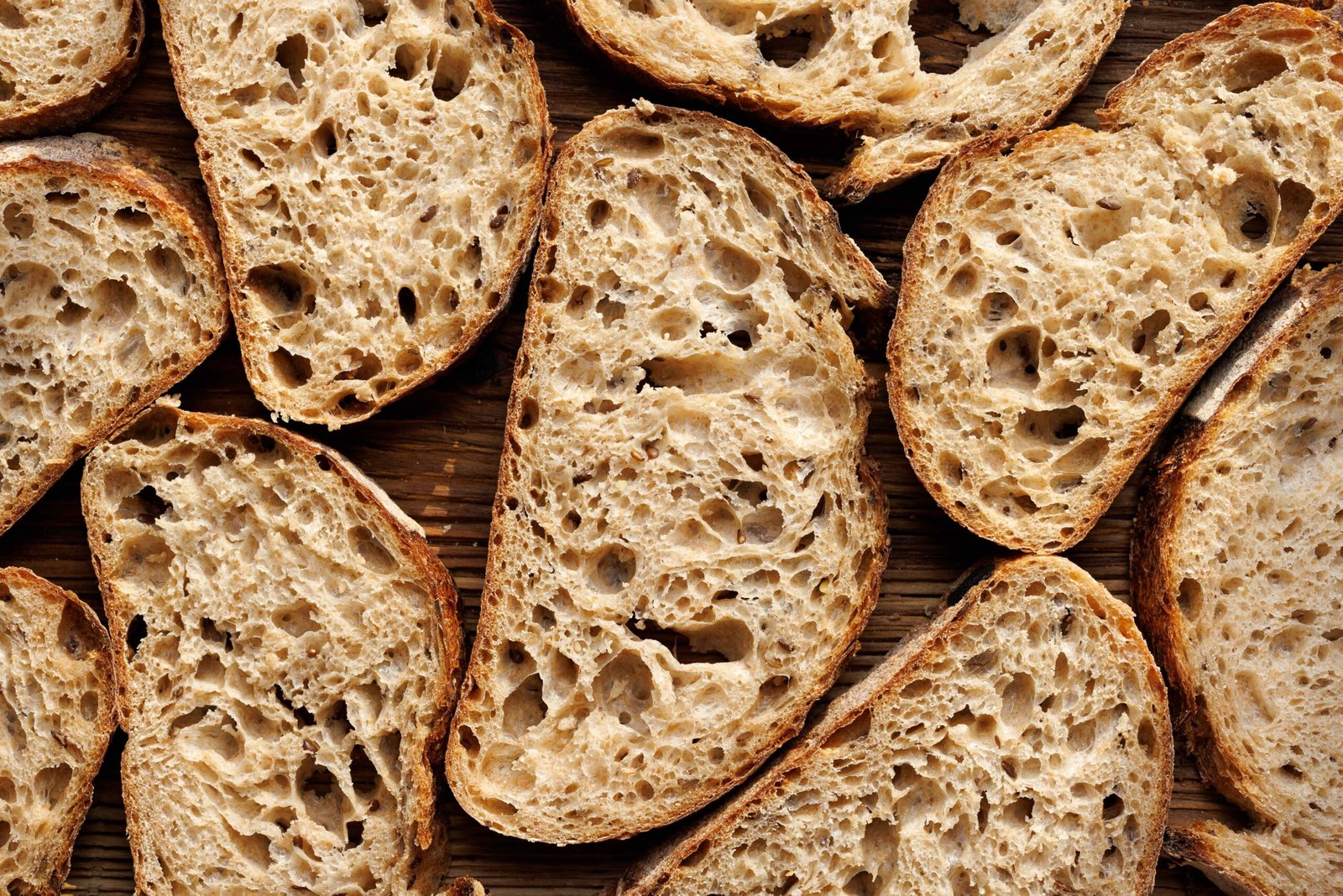
    Sourdough may be more nutritious than refined breads made with baker’s yeast.

    zi3000 / Getty Images

    Share
    Facebook Twitter LinkedIn Pinterest Email


    Sourdough undergoes natural fermentation rather than relying on additives found in baker’s yeast. Because of this, it might have more benefits than other types of bread. Here are three ways sourdough can have a positive impact on your body:

    The fermentation process used to create sourdough helps break down gluten, a protein found in grains such as wheat, barley, and rye that is resistant to digestion.

    Sourdough also has lower levels of other compounds known to cause gastrointestinal issues, including:

    • FODMAPs
    • Phytates
    • Tannins
    • Trypsin inhibitors

    This means that sourdough may be easier to digest and result in fewer gastrointestinal symptoms compared to commercially leavened bread.

    Study Highlight: A 2023 review of 25 studies showed that people who switched from bread made with baker’s yeast to sourdough bread reported significant improvements in gastrointestinal comfort.

    The fermentation process used to make sourdough produces organic acids, such as lactic and acetic acids, which help slow the absorption of starch in the digestive tract. When food is digested slowly, glucose is released more gradually into the bloodstream, preventing a significant spike in blood sugar levels after eating.

    This means that compared to other breads, sourdough is low on the glycemic index, a classification system that ranks carbohydrate-rich foods on a scale of 0-100 according to their impact on blood sugar levels. The glycemic index estimates how quickly food is digested and absorbed into the bloodstream.

    For example, the GI for a 30-gram serving of bread made with white wheat flour is 71, while the glycemic index for a 30-gram serving of sourdough bread is 54.

    Anti-nutritional factors found in whole wheat or grain breads, such as phytates, tannins, and trypsin inhibitors, can make it harder to absorb nutrients from food. Phytates, in particular, can bind to minerals like magnesium, calcium, and iron, blocking their absorption in the digestive tract.

    The fermentation process used to make sourdough breaks down anti-nutritional factors like phytates. In fact, some studies suggest that certain sourdough formulations can degrade over 96% of the phytic acid in the dough.

    Here’s the nutrition breakdown for a medium-sized, 59-gram slice of sourdough made with enriched white flour:

    • Calories: 188
    • Carbs: 36.5 grams
    • Fiber: 1.8 grams
    • Protein: 7.67 grams
    • Fat: 1.26 grams
    • Iron: 2.28 milligrams, or 13% of the Daily Value (DV)
    • Copper: 0.088 milligrams, or 10% of the DV
    • Folate: 82.6 micrograms, or 21% of the DV
    • Thiamine: 0.252 milligrams, or 21% of the DV
    • Niacin: 3.17 milligrams, or 20% of the DV
    • Riboflavin: 0.218 milligrams, or 17% of the DV
    • Manganese: 0.33 milligrams, or 14% of the DV
    • Selenium: 17.5 micrograms, or 32% of the DV
    • Zinc: 0.619 milligrams, or 6% of the DV

    While sourdough contains less gluten than other breads made with wheat flour, it’s not gluten-free and isn’t a good choice for people with celiac disease or those who are sensitive to gluten-containing foods.

    If you’d like to enjoy sourdough but can’t eat gluten, choose a gluten-free sourdough product. Gluten-free sourdough bread is made with gluten-free flours such as those made with millet, sorghum, teff, quinoa, and buckwheat. 

    Note: Gluten-free sourdough will have a different texture than sourdoughs made with wheat flour, as gluten adds a chewy and airy texture to baked goods.

    Body Bread Eat Regularly Sourdough
    Share. Facebook Twitter Pinterest LinkedIn Tumblr Email
    Previous ArticleOver 800,000 Peloton Bikes Recalled Nationwide
    Next Article Isabella Tree: 3 tips to make your world beautifully wild

      Related Posts

      Diet

      Best Morning Routine for Energy, Detox, and Digestion

      April 1, 2026
      Diet

      Best Homemade Guacamole Recipe

      March 31, 2026
      Diet

      10 Foods Proven to Work Fast

      March 31, 2026
      Add A Comment
      Leave A Reply Cancel Reply

      Top Posts

      New Research Shows Eggs Don’t Raise Your Cholesterol—But Here’s What Does

      August 1, 20256 Views

      6 Best Weightlifting Belts of 2025, According to Trainers

      July 3, 20255 Views

      What happened when I started scoring my life every day | Chris Musser

      January 28, 20262 Views
      Stay In Touch
      • Facebook
      • YouTube
      • TikTok
      • WhatsApp
      • Twitter
      • Instagram
      Latest Reviews
      Tips

      When Is the Best Time to Eat Dinner for Your Health?

      adminJuly 1, 2025
      Diet

      This Intermittent Fasting Method Outperformed the Rest—But There’s a Catch

      adminJuly 1, 2025
      Workouts

      ‘Neckzilla’ Rubel Mosquera Qualifies for 2025 Mr. Olympia After Flex Weekend Italy Pro Win

      adminJuly 1, 2025

      Subscribe to Updates

      Get the latest tech news from FooBar about tech, design and biz.

      Most Popular

      When Is the Best Time to Eat Dinner for Your Health?

      July 1, 20250 Views

      This Intermittent Fasting Method Outperformed the Rest—But There’s a Catch

      July 1, 20250 Views

      Signs, Identification, Impact, and More

      July 1, 20250 Views
      Our Picks

      Kim Kardashian Swears By These Exercises, According to Her Trainer

      April 1, 2026

      Best Morning Routine for Energy, Detox, and Digestion

      April 1, 2026

      Standing Exercises for Belly Pooch After 60, From a Trainer

      March 31, 2026
      Recent Posts
      • Kim Kardashian Swears By These Exercises, According to Her Trainer
      • Best Morning Routine for Energy, Detox, and Digestion
      • Standing Exercises for Belly Pooch After 60, From a Trainer
      • Joseph Baena Wins Bodybuilding Debut: Arnold Schwarzenegger’s Son Dominates NPC Classic Physique & Open
      • Best Homemade Guacamole Recipe
      Facebook X (Twitter) Instagram Pinterest
      • About Us
      • Contact Us
      • Disclaimer
      • Privacy Policy
      • Terms and Conditions
      © 2025 Fit and Healthy Weight. Designed by Pro.

      Type above and press Enter to search. Press Esc to cancel.