

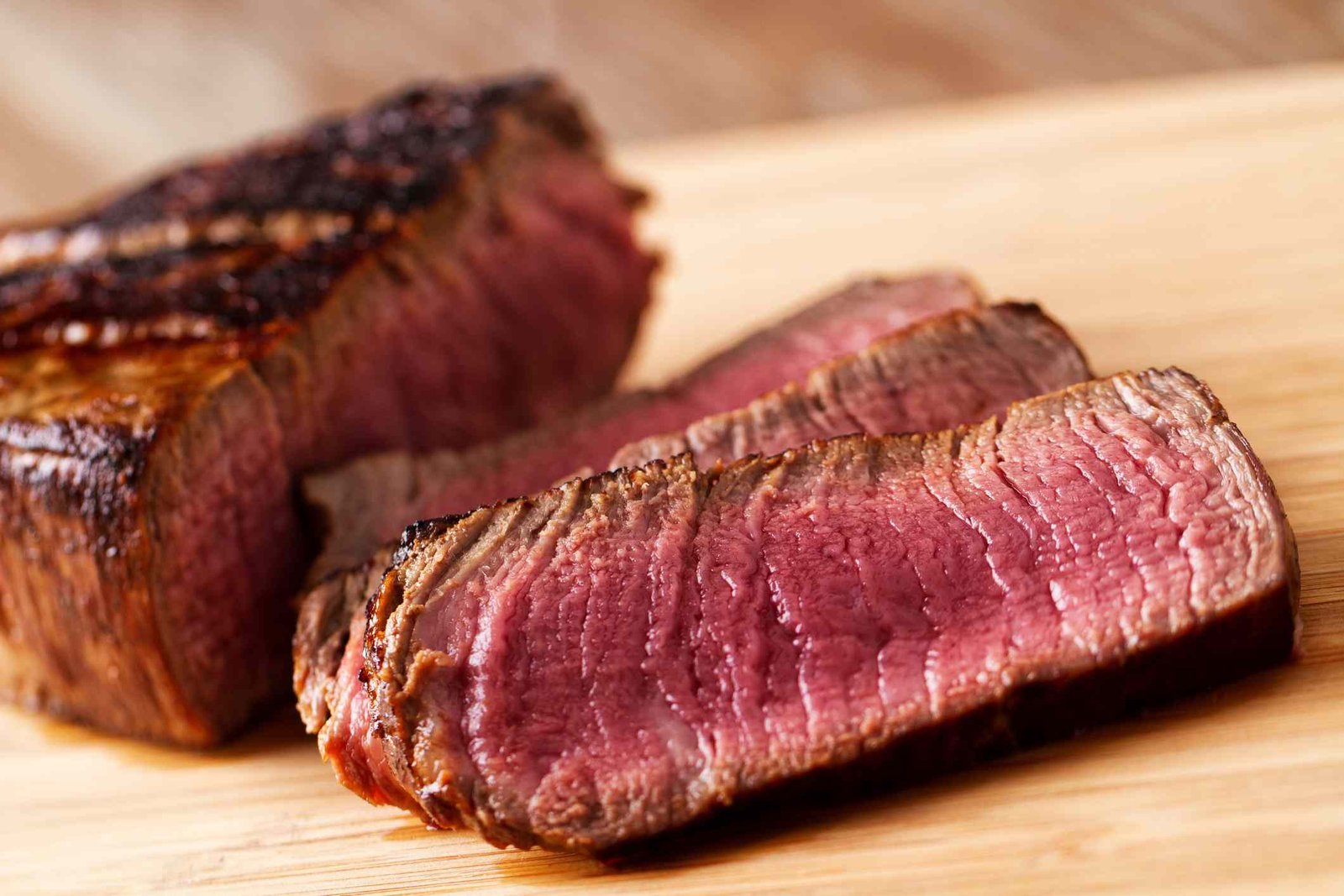
Red meat (beef, pork, veal, and lamb) is a popular main course in Western dishes. Yet, consuming too much red meat has been linked to cancer, heart disease, and diabetes. Still, when consumed in moderation, red meat is a good source of protein, vitamin B12, and iron.
The muscle fibers of animals make up red meat. The protein, fat, and micronutrients you absorb from red meat promote muscle growth and repair. This is especially beneficial for athletes who often engage in vigorous physical activity. Eating more proteins helps your body recover post-workout by strengthening muscles and increasing muscle gain.
Consuming more protein helps adults at risk for malnutrition maintain more of their muscle mass. Protein can assist with hormone regulation in your body that helps prevent symptoms of diabetes.
Red meat is packed with phosphorus and magnesium, minerals commonly found in protein that promote bone growth. As you get older, it is common to have less muscle strength. Studies show that eating more protein slows the process of bone loss as you age.
Some studies have found that people assigned female at birth who eat more meat have lower rates of osteoporosis, a health condition that makes bones brittle and easy to break. However, other studies have found that eating more plant-based protein is better for overall health because it contains fewer saturated fats.
Red meat, particularly beef, is one of the best sources of selenium and zinc—two minerals that are essential to your immune system. Zinc is responsible for signaling immune cells in your body. For elderly people, zinc is especially important for protecting the body from pathogens that can cause chronic diseases.
Selenium and zinc both help to prevent inflammation in your body. However, some studies show that too much selenium can increase inflammation. Researchers recommend opting for lean red meat in moderate amounts to reduce any harmful health effects. For example, the United Kingdom Department of Health recommends eating no more than 70 grams per day (cooked weight) of red and processed meat daily.
Anemia is a condition that reduces the number of red blood cells and hemoglobin in your body. Hemoglobin is a protein that helps red blood cells move oxygen throughout your body. Iron deficiency anemia is one of the most common types of anemia.
Following a vegan or vegetarian diet may make you more prone to iron deficiency and anemia. Symptoms of iron deficiency anemia include having cold hands and feet and experiencing dizziness. Eating red meat can help you absorb the iron your body needs to reduce symptoms of anemia.
Red meat is one of the best sources of vitamins and minerals like iron and vitamin B12. Common symptoms of vitamin B12-deficiency anemia include fatigue, headaches, shortness of breath, and dizziness.
Many factors go into the nutritional breakdown of different types of red meat including how it is processed and the cut of the meat. For example, beef has a variety of cuts, including steak, bologna, and sausage, with different nutritional breakdowns.
Here is the nutritional breakdown of 85 g of cooked ground beef with 10% fat:
- Calories: 230 cal
- Fat: 15 g
- Saturated Fat: 5.8 g, or 29% of the DV
- Unsaturated Fat: 7.1 g
- Sodium: 64 milligrams (mg), or 3% of the DV
- Protein: 22 g
- Iron: 2.1 mg, or 12% of the DV
- Vitamin B12: 2.3 micrograms (mcg), or 96% of the DV
- Zinc: 5.31 mg, or 100% of the DV
- Selenium: 18 mcg, or 33% of the DV
- Phosphorus: 165 mg, or 13% of the DV
Avoid prioritizing red meat as your only source of protein. Most kinds of red meat are high in saturated fat. Eating excessive amounts of saturated fat can raise your LDL cholesterol (also known as bad cholesterol), which increases your risk of heart disease.
You can also avoid consuming too much saturated fat by eating a balanced diet that also includes fruits, vegetables, and grains.
Some studies have found that processed red meat like hot dogs, deli meat, and bacon can increase your risk of diabetes, heart disease, and certain types of cancer. Processed meats include additional artificial flavors and preservatives that can make them more harmful.
Beans, fish, and nuts are heart-healthy sources of protein. Lean red meat options with slightly less saturated fat are also available. For example, flank steak, top-round steak, and pork tenderloin are all lean meat options.
Beef and pork are the most common types of red meat in the United States. Although red meat can help you meet your protein goals, researchers recommend only consuming it in moderation. Researchers recommend not eating more than 12-18 ounces (oz) of red meat a week.
Lean protein options include:
- Tri-tip roast beef
- Strip steak
- Ground pork, 96% lean
- Pork tenderloin
- Bone-in rib chop pork
- Lamb loin chops
When making red meat dishes at home, properly store red meat to prevent food poisoning and illness. Red meat that turns brown or gray after a few days in the fridge may look alarming, but it does not mean the meat has gone bad. However, red meat that smells bad or has a slimy texture is spoiled. Freeze red meat that you don’t plan on consuming right away.
