

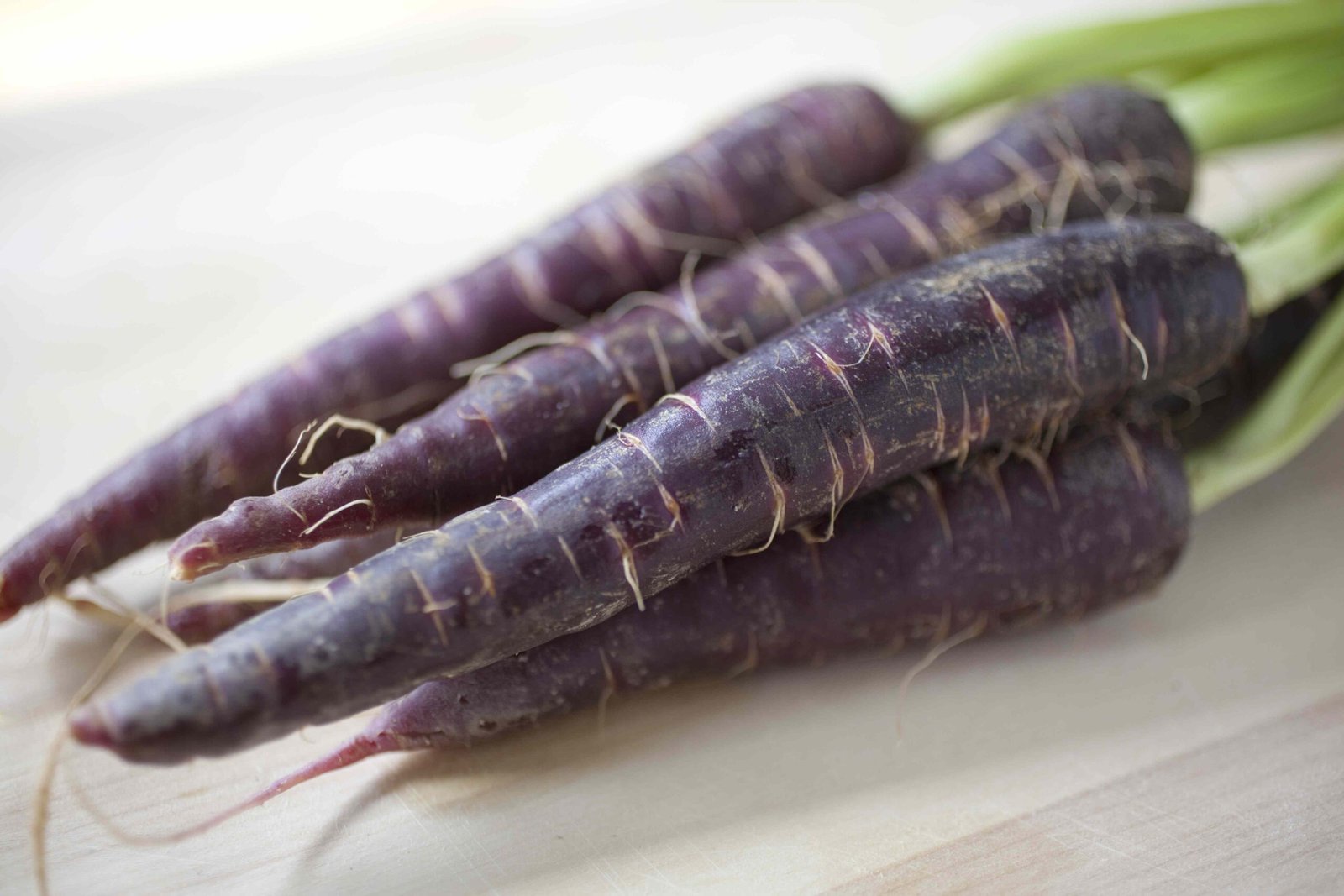
Purple carrots (Daucus carota ssp. sativus) are a carrot variety that contain high levels of anthocyanins, antioxidant pigments that give the vegetable its rich purple color. Here’s what could happen to your body if you make purple carrots a regular part of your diet.
Aging involves the decline of bodily functions necessary for survival and reproduction. One key factor in aging may be the accumulation of damaging substances called reactive oxygen species (ROS).
Carotenoids, fat-soluble pigments in carrots and tomatoes, have been linked to anti-aging effects. They may help by assisting in the production of certain protective enzymes (proteins that aid in digestion and other important functions). These enzymes protect against ROS-related cell damage and toxins in the body.
Another factor of aging involves the length of your telomeres, which protect your cells. Telomeres are protective caps that seal the end of your chromosomes (thread-like structures inside the cell’s nucleus). They shorten each time a cell divides—a necessary process to grow, repair, and replace damaged cells. When a cell’s telomeres become too short, the cell can no longer thrive. ROS and inflammation can accelerate this process.
Research suggests that eating foods rich in beta-carotene, like purple carrots, might keep your telomeres longer. This might slow down cell death and help you live longer and healthier.
Purple carrots contain the carotenoids occurring in the typical orange carrots, including beta-carotene, lutein, and zeaxanthin—all of which have eye-protective qualities.
Beta-carotene may reduce the risks of cataracts (cloudy areas that develop in the eye lens). Cataracts happen when aging or other factors lead to changes in the eye lens. If untreated, they can lead to complete vision loss. When the body converts beta-carotene to vitamin A, the vitamin can help reduce damage to the eye lens that might lead to cataracts, such as damage caused by exposure to sunlight-induced ultraviolet (UV) rays.
Lutein and zeaxanthin may also decrease the risk of cataracts and other age-related eye diseases, including macular degeneration. They work by scavenging ROS to protect the eye from damage. Since the human lens contains lutein and zeaxanthin, supplying these nutrients through foods like purple carrots may be beneficial.
The anthocyanins in purple carrots may also be eye-protective. Research suggests anthocyanins might play a role in treating glaucoma, preventing lens deterioration, and reducing dry eye symptoms. However, more studies are necessary to determine the effectiveness of anthocyanins and other antioxidants on eye health.
Carotenoids can help protect against UV light damage, sunburn, and the effects of skin aging. When you consume carotenoids through certain fruits and vegetables, such as purple carrots, they absorb into your skin and exert skin protective actions.
Purple carrots contain skin-supportive carotenoids, including beta-carotene, alpha-carotene, lutein, and zeaxanthin. Also, carrots contain a flavonoid called luteolin, which may effectively prevent sun damage.
Purple carrots also contain an abundance of anthocyanins. With their strong anti-inflammatory and antioxidant properties, anthocyanins may give you smoother, more radiant skin.
The purple carrot’s rich supply of anthocyanins may defend against neurodegenerative diseases like Parkinson’s disease and Alzheimer’s disease. This is because anthocyanins protect against oxidative stress and inflammation triggered by neurotoxins such as heavy metals, pesticides, and environmental pollutants.
There’s also an important connection known as the gut-brain axis, where gut health influences mental capacity and well-being. Anthocyanins can positively affect gut bacteria and the beneficial chemicals they produce. These chemicals can then interact with neurotransmitters (chemical messengers in the brain) to improve mood, sleep, memory, and cognition.
Carrots provide beta-carotene and other nutrients like vitamin E, vitamin C, and zinc, all of which may enhance your cognitive function.
The anthocyanins and other phenolic compounds in purple carrots have anti-inflammatory and antioxidant properties that may reduce the risk of certain diseases, such as heart disease, diabetes, and cancer.
For example, one small study of 18 people at risk for cardiovascular disease found that participants who consumed 200 grams (g) of purple carrot daily for 12 weeks showed improvements in blood triglyceride levels and systolic and diastolic blood pressure—markers for heart disease risk—compared to participants who ate orange carrots.
Other research suggests the compounds in purple carrots may help slow the body’s metabolism of glucose, which could help manage blood sugar levels.
The high anthocyanin and carotenoid content in purple carrots may also help protect against the formation or growth of cancer cells. However, most research on purple carrots and cancer prevention has been done on animals or in test tubes. More human studies are needed.
Adding more vegetables to your diet can help you achieve and maintain your optimal weight. Like traditional carrots, purple carrots are low in calories and nutrient-dense.
Carrots are a good source of dietary fiber, which aids digestion, blood sugar control, and satiety (feelings of fullness)—all factors that help manage appetite and weight. One cup of chopped carrots provides nearly 4 g of dietary fiber.
The anthocyanins in purple carrots may also benefit weight loss. A study involving 124,086 men and women showed that higher intakes of anthocyanin-rich foods were associated with significant weight loss and improved weight management over time.
A 100-g serving of raw purple carrots contains:
- Calories: 42
- Fat: 0.14 g
- Sodium: 82 mg
- Carbohydrates: 8.01 g
- Fiber: 2.48 g
- Added sugars: 0 g
- Protein: 0.87 g
Purple carrots are a good source of carotenoids, such as beta-carotene and lutein. A 100-g serving could contain 600-20,000 micrograms (µg). In the body, some of these, including beta-carotene, are converted into vitamin A, for which the total Daily Value (DV) is 900 µg RAE.
Retinol activity equivalents (RAE) are a measurement that accounts for the biological activity of Vitamin A (retinol) and the provitamin A carotenoids such as beta-carotene. For example, one cup of raw orange carrots contains 1,070 µg RAE of vitamin A, or 118% of your DV.
Purple carrots are generally safe to consume. However, some studies suggest that high levels of beta-carotene may interfere with thyroid function. Individuals with hypothyroidism may have difficulty metabolizing beta-carotene, turning the person’s skin yellow or orange.
If you have a health condition that affects your thyroid, talk to your healthcare provider before adding carrots to your regular diet or eating them in large amounts.
It’s also possible to be allergic to carrots. If you have signs of an allergic reaction after eating carrots, such as itching or swelling of the lips, tongue, or throat, or experience nausea, shortness of breath, or a skin rash, stop eating the carrots and seek medical help immediately.
Purple carrots add vibrance and color to your dishes. Here are some ways to enjoy them in your meals and snacks:
- Use shredded purple carrot to add color and some sweetness to a potato salad
- Enjoy sautéed purple carrots seasoned with tarragon
- Roast purple carrots with sweet potatoes and garnish with rosemary for a flavorful root vegetable dish
- Chop the carrots into oblique disks or sticks to serve on a vegetable platter or charcuterie board
- Add shredded purple carrots to potato and zucchini pancakes for a savory side dish
- Make a low-sugar carrot cake with a mix of yellow and purple carrots
- Stir shredded purple carrots into your morning oatmeal
