
Close Menu
Fit and Healthy Weight

    Subscribe to Updates

    Get the latest creative news from FooBar about art, design and business.

    What's Hot

    2026 Arnold Classic UK Results: Andrew Jacked Dominates Again—Is Mr. Olympia Next?

    March 31, 2026

    A Trainer’s 6-Minute Morning Routine

    March 30, 2026

    Why Your Allergy Medicines Stop Working—and What Doctors Say Might Help

    March 30, 2026
    Facebook X (Twitter) Instagram
    Facebook X (Twitter) Instagram
    Fit and Healthy Weight
    Tuesday, March 31
    • Home
    • Diet
    • Mindset
    • Recipes
    • Reviews
    • Stories
    • Supplements
    • Tips
    • Workouts
    Fit and Healthy Weight
    Home»Tips»What Happens to Your Body When You Eat Oysters Regularly
    Tips

    What Happens to Your Body When You Eat Oysters Regularly

    By January 22, 2026No Comments3 Mins Read
    Share Facebook Twitter Pinterest LinkedIn Tumblr Reddit Telegram Email
    What Happens to Your Body When You Eat Oysters Regularly
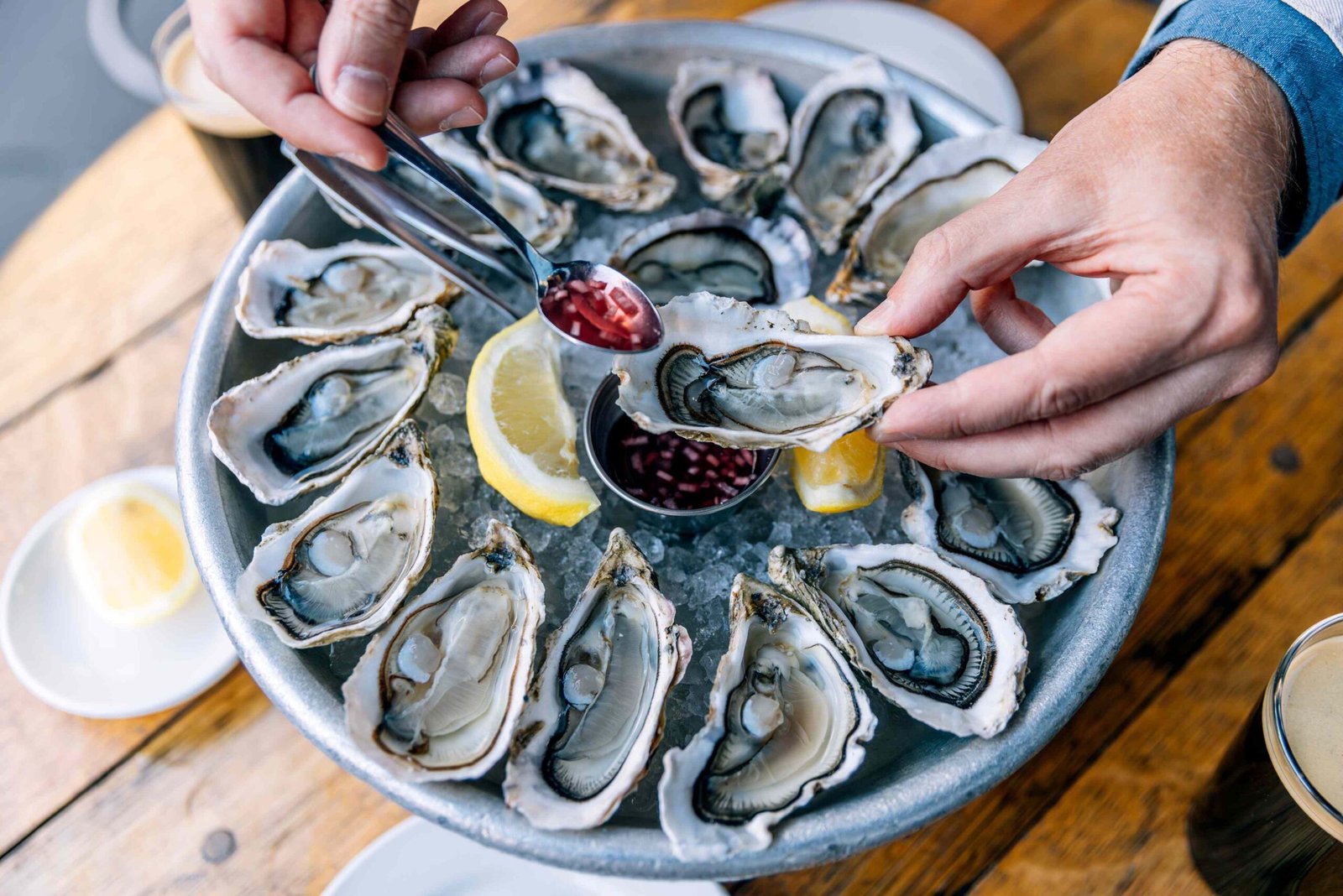
    Oysters provide zinc, protein, and omega-3 fatty acids.

    Alexander Spatari / Getty Images

    Share
    Facebook Twitter LinkedIn Pinterest Email


    Oysters are a nutrient-dense seafood that can offer several health benefits, including vitamins, minerals, and healthy fats. However, they also come with potential safety concerns, especially when eaten raw, and should be consumed thoughtfully as part of a balanced diet. 

    Oysters are rich in essential nutrients that support multiple aspects of health. They are one of the most concentrated natural sources of zinc, a mineral that is important for a healthy immune system, development, and wound healing.

    Including oysters in your diet can help meet your daily zinc needs, which is especially useful because zinc isn’t stored in large amounts in the body and must be obtained regularly from food. A 3-ounce serving of raw oysters provides over twice the daily recommended intake of zinc.

    Oysters are also a good source of protein, while remaining relatively low in calories. A 3-ounce serving of raw oysters provides 8 grams of protein and only 69 calories.

    Protein is important for growth, repair, and maintaining muscle, and can help support healthy weight loss. 

    Another major benefit comes from omega-3 fatty acids. Like other seafood, oysters contain EPA and DHA — types of omega-3s linked to heart health, inflammation control, and brain function.

    Regular seafood intake is associated with a lower risk of cardiovascular disease, and while specific oyster studies are limited, their omega-3 content contributes to this broader pattern.

    Oysters are also a good source of:

    • Vitamin B12, which helps support nerve health and red blood cell formation
    • Selenium, an antioxidant that protects cells from damage and supports thyroid function

    These nutrients together make oysters a nutrient-dense choice compared with many other protein sources.

    While oysters have clear nutritional benefits, they aren’t without risk, especially when eaten raw or undercooked. Oysters are filter feeders, meaning they concentrate whatever is in the water around them, including bacteria like the Vibrio species that can cause serious infections if consumed. 

    According to the Centers for Disease Control and Prevention (CDC), eating raw or undercooked oysters is a common cause of vibriosis. This bacterial infection typically leads to gastrointestinal symptoms like diarrhea, vomiting, and fever, and in some cases can be severe or even life-threatening.

    The only reliable way to kill these bacteria is by cooking oysters properly before eating them.

    People with weakened immune systems, liver disease, diabetes, or other chronic health conditions are at higher risk of severe bacterial infection from raw oysters and should avoid them unless they are fully cooked.

    Oysters can also be relatively high in sodium, depending on the preparation and brining methods used. For individuals managing high blood pressure or sodium sensitivity, balancing oyster intake with other lower-sodium foods can help maintain healthy blood pressure levels.

    Another concern is heavy metal exposure. Because oysters filter large volumes of water, they can accumulate trace amounts of metals such as cadmium and lead from their environment. For most people consuming oysters occasionally, this isn’t a major issue, but eating them daily could increase exposure over time.

    Allergies to shellfish are also common and can be severe. Anyone with a known shellfish allergy should avoid oysters entirely to prevent potentially life-threatening reactions.

    Body Eat Oysters Regularly
    Share. Facebook Twitter Pinterest LinkedIn Tumblr Email
    Previous Article4 Dietitians Agree on the Healthiest Fruit to Eat for Breakfast
    Next Article Lindsey Vonn Doesn’t Need Your Permission

      Related Posts

      Stories

      Is it true that … you can never eat too much fibre? | Health & wellbeing

      March 30, 2026
      Reviews

      5 “Bad” Fast-Food Orders Dietitians Secretly Eat Themselves

      March 30, 2026
      Reviews

      6 Major Steakhouses That Chefs Actually Eat At

      March 25, 2026
      Add A Comment
      Leave A Reply Cancel Reply

      Top Posts

      New Research Shows Eggs Don’t Raise Your Cholesterol—But Here’s What Does

      August 1, 20256 Views

      6 Best Weightlifting Belts of 2025, According to Trainers

      July 3, 20255 Views

      What happened when I started scoring my life every day | Chris Musser

      January 28, 20262 Views
      Stay In Touch
      • Facebook
      • YouTube
      • TikTok
      • WhatsApp
      • Twitter
      • Instagram
      Latest Reviews
      Tips

      When Is the Best Time to Eat Dinner for Your Health?

      adminJuly 1, 2025
      Diet

      This Intermittent Fasting Method Outperformed the Rest—But There’s a Catch

      adminJuly 1, 2025
      Workouts

      ‘Neckzilla’ Rubel Mosquera Qualifies for 2025 Mr. Olympia After Flex Weekend Italy Pro Win

      adminJuly 1, 2025

      Subscribe to Updates

      Get the latest tech news from FooBar about tech, design and biz.

      Most Popular

      When Is the Best Time to Eat Dinner for Your Health?

      July 1, 20250 Views

      This Intermittent Fasting Method Outperformed the Rest—But There’s a Catch

      July 1, 20250 Views

      Signs, Identification, Impact, and More

      July 1, 20250 Views
      Our Picks

      2026 Arnold Classic UK Results: Andrew Jacked Dominates Again—Is Mr. Olympia Next?

      March 31, 2026

      A Trainer’s 6-Minute Morning Routine

      March 30, 2026

      Why Your Allergy Medicines Stop Working—and What Doctors Say Might Help

      March 30, 2026
      Recent Posts
      • 2026 Arnold Classic UK Results: Andrew Jacked Dominates Again—Is Mr. Olympia Next?
      • A Trainer’s 6-Minute Morning Routine
      • Why Your Allergy Medicines Stop Working—and What Doctors Say Might Help
      • Rory McIlroy Reveals His Mental Toughness Secrets for Conquering the Masters
      • Chair Exercises for Core Strength After 60, Per a Coach
      Facebook X (Twitter) Instagram Pinterest
      • About Us
      • Contact Us
      • Disclaimer
      • Privacy Policy
      • Terms and Conditions
      © 2025 Fit and Healthy Weight. Designed by Pro.

      Type above and press Enter to search. Press Esc to cancel.