

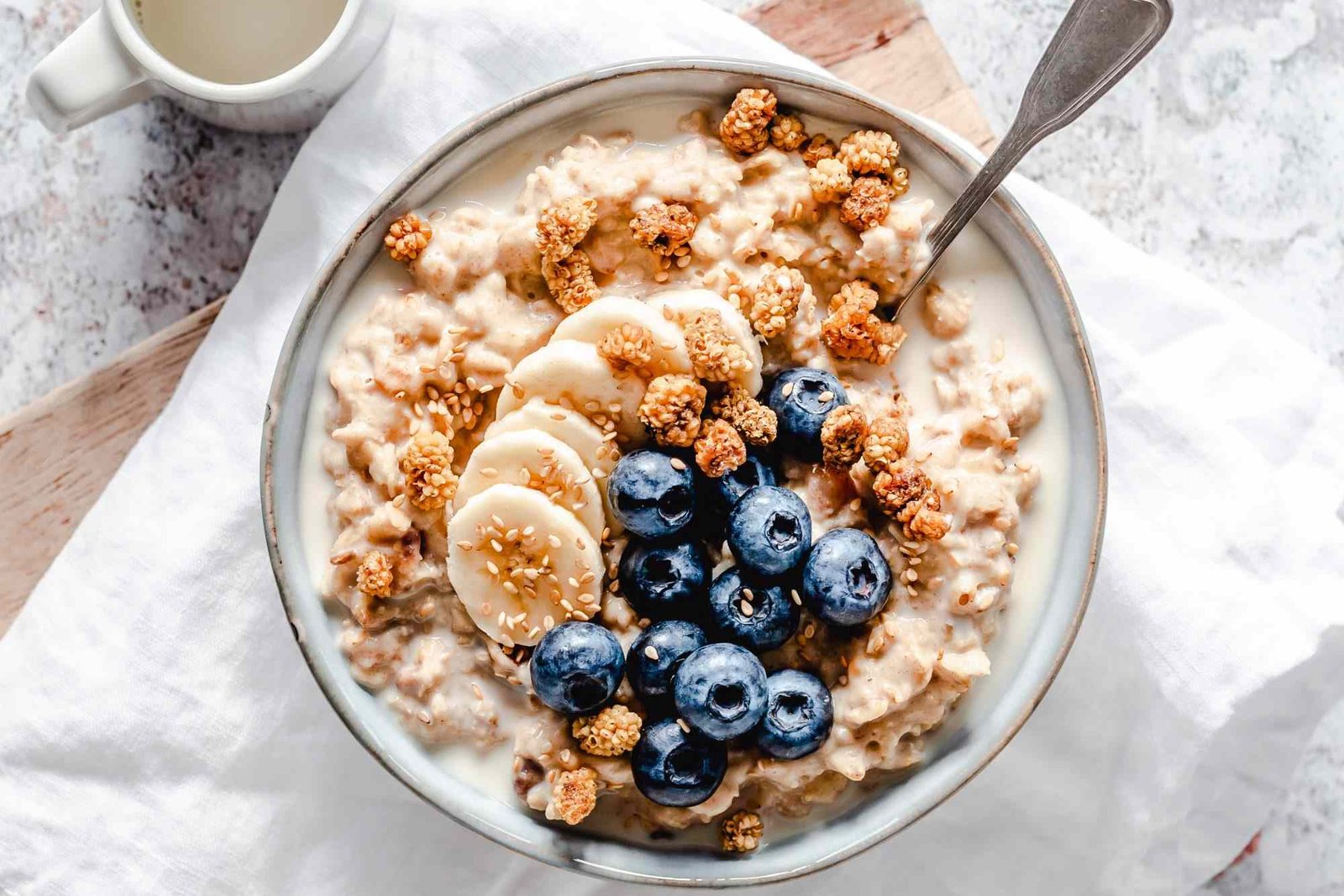
Eating oats, scientifically known as Avena sativa, regularly supplies fiber that supports heart and digestive health. They may not be suitable for gluten-sensitive people.
The gel-like compound beta-glucan in soluble (easily dissolves in water) fiber helps to decrease low-density lipoprotein (LDL) cholesterol. This is the combination of fat and protein that makes up cholesterol in your body.
Decreasing LDL cholesterol, also known as “bad” cholesterol, lowers your risk of heart disease and other cardiovascular conditions.
Beta-glucan in oats also decreases sugar in your digestive tract. In a 2018 study, participants saw a reduction in LDL cholesterol after consuming 3 grams of oat beta-glucans daily.
High magnesium, potassium, and iron levels in oats support heart function. For this reason, oats are often incorporated into heart-healthy diets.
Magnesium is a vitamin not present in high quantities in many other foods. It’s essential for transporting magnesium and potassium ions. These ions support your nerves, muscles, and the rhythm of your heartbeat.
Oats are a great source of soluble and insoluble fiber. Fiber in oats is especially beneficial for older adults who may have more digestive conditions as they age.
Soluble fiber slows digestion and helps you absorb nutrients. Insoluble fiber enables you to make smooth bowel movements.
Consuming fiber prevents constipation and promotes a healthy gut. Fiber in oats also has prebiotic effects that support helpful gut bacteria, which enhances digestion.
The prebiotics in oats may prevent the development of cancers and cardiovascular conditions.
Oats are full of fiber, which helps your body feel full sooner. The carbohydrates in oats help your body absorb energy steadily, which prevents you from craving as much sugar throughout the day. This is especially true for meals like oatmeal made from raw oats instead of instant oats.
Protein in oats helps increase your metabolism. By keeping you full and providing energy, the protein in oats can help your body build more lean muscle mass than visceral fat.
However, how full you feel from oats depends on your consumption. Instant oatmeal may not keep you full as long as a meal with rolled oats.
Consuming oats may regulate blood sugar. The soluble fiber in oats, particularly the polysaccharide beta-glucan, forms a viscous gel in the digestive tract. It slows glucose (sugar) absorption into the bloodstream.
This gradual release of glucose prevents sharp spikes in blood sugar and insulin levels. If you have type 2 diabetes, integrating oats into your diet can help you manage your blood sugar.
Researchers found that people with diabetes who added more oats to their diets saw a decrease in their hemoglobin A1c (HbA1C). HbA1C is a measure of blood sugar.
Oats are full of many vitamins and minerals that make it an essential part of a well-rounded diet.
Here is the nutritional breakdown of 1 cup of raw oats:
- Calories: 303
- Fat: 5 grams (g)
- Sodium: 5 milligrams (mg)
- Carbohydrates: 54 g
- Fiber: 8 g
- Added sugars: 0 g
- Protein: 10 g
- Calcium: 41.6 mg
- Iron: 3.4 mg
- Selenium: 23.1 microgram (mcg)
Oats are a source of magnesium, iron, zinc, and folate. Selenium is a mineral with antioxidant effects that help prevent cardiovascular conditions and cognitive decline. It may also play a small role in preventing male infertility.
Oats contain avenanthramides—compounds that prevent inflammation. They may help prevent infections, but more research is needed.
Gluten in oats can cause side effects in people with celiac disease or a gluten allergy. The compound avenin in oats has similar properties to gluten. Side effects may include bloating, gas, and constipation.
Having irritable bowel syndrome (IBS) and other digestive diseases may also cause discomfort.
You may have an oat allergy if you have skin rashes or trouble breathing after eating oats. Oats are also commonly produced near wheat products, which may pose a risk to people who are allergic to wheat.
Gluten-free oats are another option to avoid discomfort. Other alternative grains include quinoa, rice, amaranth, and millet. You may have digestive symptoms from food cross-contaminated with gluten if you have gluten sensitivity.
Oats are a versatile ingredient that can boost nutrition in many meals. You can eat them for breakfast, as a snack, or as a beverage.
You may store oats in an airtight container to protect them from moisture and insects. For long-term storage, it’s best to freeze or refrigerate them.
You can enjoy oats in a variety of ways, including:
- Add oats to smoothies.
- Use oats in the breading for poultry, fish, or tofu.
- Make energy balls using oats, nuts, and dried fruit.
- Prepare oat milk by blending soaked oats with cold water (add a few dates and vanilla for sweetness), then straining the oats.
- Try different forms of oats, including steel-cut oats and quick oats.
- Enjoy oat bran in cereals, breads, and smoothies.
Oats have also been used to treat skin conditions. Colloidal oatmeal is made from ground whole oats, which creates a powdery texture, to treat atopic dermatitis and psoriasis flares. They also treat any roughness in your skin’s texture.
