

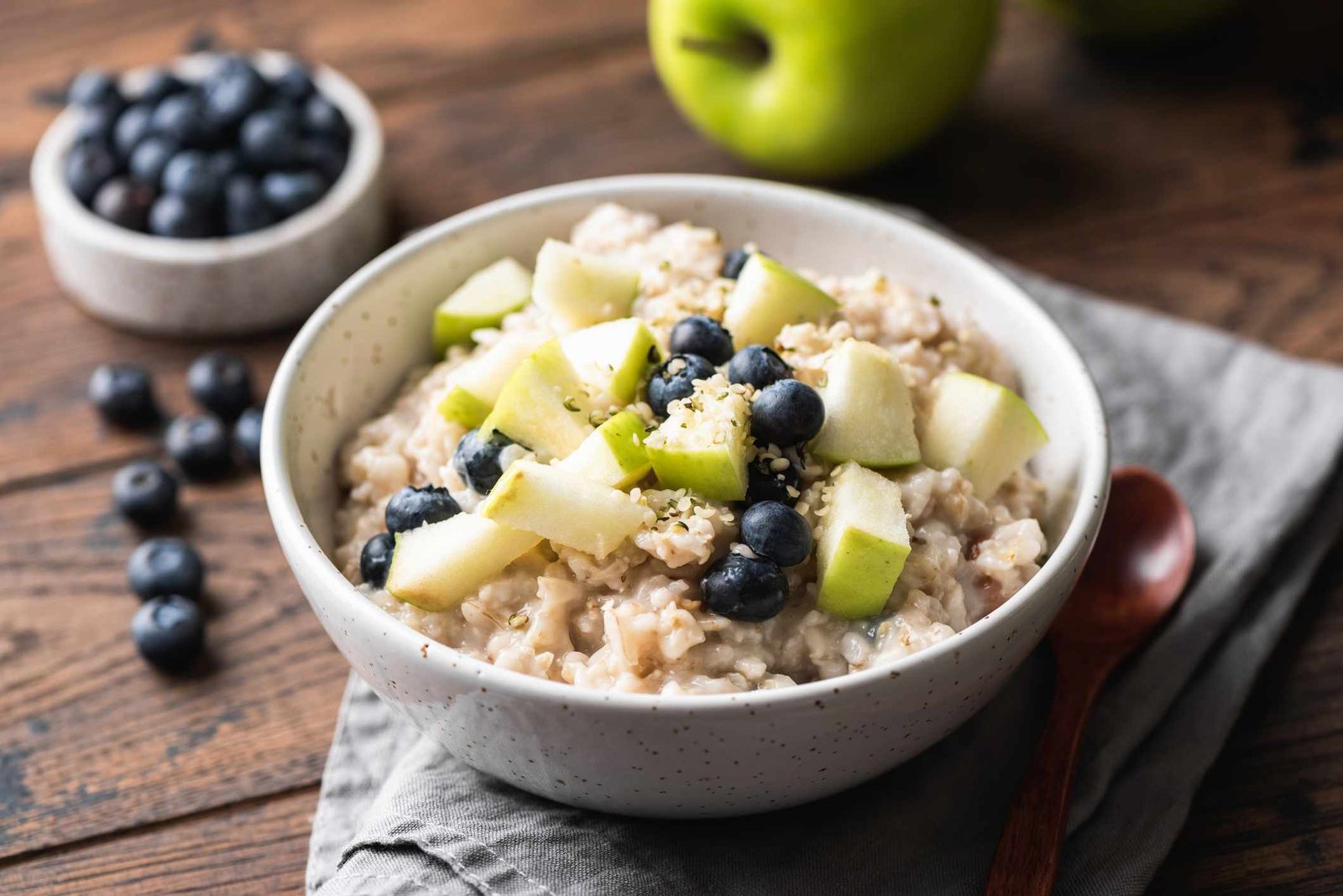
Oatmeal is a type of porridge made with oats. It’s a good source of fiber and heart-healthy whole grains. Whole grains can be part of a balanced diet and may help lower high blood pressure, cholesterol, and triglycerides, which are significant risk factors for heart disease.
Oatmeal might help prevent and manage type 2 diabetes due to its blood sugar effects. Beta-glucan, which is a type of fiber in oats, can help manage blood sugar.
One study examined oatmeal as a short-term intervention for regulating blood sugar in people with type 2 diabetes. The researchers found that oatmeal reduced blood sugar levels and improved insulin sensitivity significantly. Insulin is a hormone that helps glucose enter your cells.
Constipation is characterized by less than three bowel movements per week. The stool may be dry, hard, and difficult to pass. Oatmeal is a source of soluble fiber, which helps regulate bowel movements to prevent and treat constipation.
Soluble fiber absorbs water and becomes a gel that slows digestion. Research has shown that soluble fiber also increases the volume and weight of stool, which can improve the frequency of bowel movements.
Oatmeal is a source of whole grains, which can manage weight. Whole grains retain both fiber and key nutrients. Whole grains remain intact, unlike refined grains, which are stripped of their bran and germ.
The fiber in oatmeal also helps keep you full for long periods, which can support weight loss. One study compared hunger and fullness levels after eating oatmeal or oranges. People who ate oatmeal had greater fullness levels and were less likely to snack after breakfast than those who ate oranges.
Oats are a source of several vitamins and minerals, including iron, magnesium, and selenium. Iron is a mineral that helps create hemoglobin, a protein in red blood cells that carries oxygen. Magnesium is a mineral that’s essential for several bodily functions, including nerve and muscle function. Your body needs small amounts of selenium to make antioxidant enzymes, which help protect your cells against damage.
One study found that a diet of oats, fruits, vegetables, nuts, and seeds can reduce childhood asthma. Asthma is a respiratory condition in which the airways in your lungs become narrow. You may have symptoms like coughing, shortness of breath, and wheezing.
The researchers noted that a reduced intake of fast food and heavily processed food can also decrease inflammation that causes asthma. More research is needed to establish the link between asthma and diet.
Heart disease is the leading cause of death among adults in the United States. Research has found consuming oatmeal may lower the risk of all causes of death, including heart disease.
Beta-glucan helps reduce blood sugar and total cholesterol, which are risk factors for heart disease. Whole grains like oatmeal can also reduce these risk factors.
One study followed 3,121 participants over 18 years. Those who regularly consumed whole grains had increased their high-density lipoprotein (HDL) cholesterol. HDL cholesterol is also known as “good” cholesterol. People who ate whole grains also had lowered their blood sugar, blood pressure, triglycerides, and waist circumferences.
Polyphenols in oats have antioxidant and anti-inflammatory properties. Research has found that polyphenols reduce oxidative stress to help fend off aging and disease.
Oxidative stress is an imbalance between cell-damaging free radicals and your body’s ability to counter their harmful effects. Polyphenols may protect against heart disease, obesity, stroke, and type 2 diabetes.
Beta-glucan also acts as an antioxidant. Some evidence suggests beta-glucan prevents atherosclerosis (hardening of the arteries) and neurodegenerative diseases. Beta-glucan maintains healthy digestion and prevents gut inflammation.
Research has shown that beta-glucan helps support healthy immune function and improve immune cell function. A healthy immune response can protect you against harmful pathogens like bacteria and viruses.
The nutrition of oatmeal can vary depending on the brand and type. Make sure you look at the nutrition facts label to see what’s in your oatmeal and make informed choices.
A half-cup of dry, quick-cooking oats contains:
- Calories: 153.5
- Fat: 2.6 grams (g), or 3.3% of the Daily Value (DV)
- Sodium: 2.4 milligrams (mg), or 0.1% of the DV
- Carbohydrates: 27.4 g, or 10% of the DV
- Fiber: 4 g, or 14% of the DV
- Added sugars: 0 g, or 0% of the DV
- Protein: 5.4 g, or 10.7% of the DV
Be wary of the fiber and added sugar content in some types of oatmeal. You might develop bloating and gas if you increase your fiber intake too quickly. Slowly incorporate oatmeal and drink plenty of water to minimize side effects.
Oats are also a source of phytic acid. This compound may affect how your body absorbs minerals like iron and zinc. Cooking and soaking oats significantly reduces the phytic acid content. You generally do not need to worry about mineral deficiencies if you eat a balanced, nutrient-rich diet.
Some types of oatmeal, including flavored varieties, contain high amounts of added sugar, which does not contain essential nutrients. The American Heart Association (AHA) advises females and males to limit their added sugar intake to 25 grams (6 teaspoons) and 36 grams (9 teaspoons) per day, respectively.
Each variety of oats, such as steel-cut or old-fashioned rolled oats, consists of whole grains. You’ll get similar benefits from any type if it’s unsweetened. Unsweetened oatmeal allows you to choose the type and amount of sweetener you add.
Here are some ways to consume oatmeal:
- Combine plant protein powder with dry, old-fashioned rolled oats before you add hot water
- Refrigerate your favorite combination for overnight oats, then enjoy it chilled in the morning
- Season oatmeal with a touch of maple syrup, cinnamon or ginger, and fresh fruit
- Add nut or seed butter for healthy fat and plant protein
- Stir in finely chopped or shredded vegetables
