

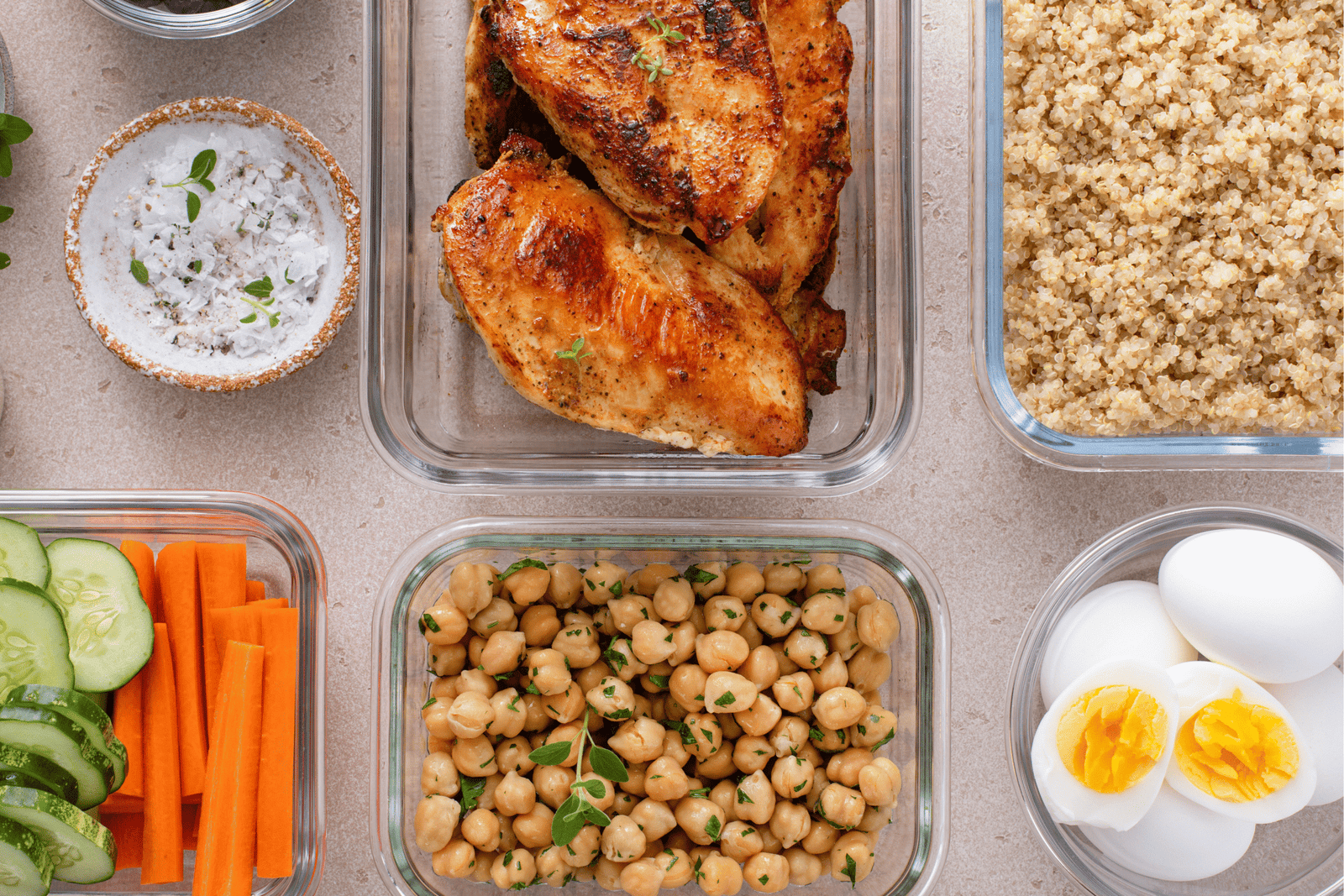
Carbohydrates and protein are two of your body’s main sources for fuel, but some diets (high-protein, low-carb) prioritize one macronutrient over the other. While a diet higher in protein than carbs can help with muscle growth, fat loss, and blood sugar regulation, it may also cause digestive issues.
Protein is more satiating than carbohydrates. “When you compare calorie for calorie, protein makes you feel fuller than the other macronutrients (carbohydrates and fat),” Kerry Hackworth, RD, LDN, told Health.
That can help reduce sugar cravings and, over time, may support weight loss by helping you eat fewer calories.
Carbohydrates are your body’s preferred source of energy—especially for your brain and during workouts—because they can most easily be converted into sugar (glucose) for a quick boost. Protein can also be converted into glucose and used for energy, but that process is slower and less efficient.
“When eating fewer carbs [and more protein], you might feel fine during steady activities, but higher intensity exercise or fast thinking can feel tougher,” Dawn Jackson Blatner, RDN, CSSD, told Health. “Your body can adapt over time, but it’s not the right fit for everyone.”
While more protein can give you more steady energy and fewer ‘hangry’ crashes, too few carbs can make you feel tired and foggy, and irritable—especially during mentally or physically demanding tasks.
Fiber is key for your digestive health and keeping you regular—and it’s only found in carbohydrate-rich foods like fruits, vegetables, legumes, and whole grains. Protein also takes longer to digest in the stomach.
If you start adding more protein to your diet and don’t get enough digestion-promoting carbs, you could experience constipation and bloating. Not eating enough high-fiber carbs could also negatively impact gut health and chronic disease prevention.
Protein is “primarily meant for muscle building and tissue repair,” said Blatner.
When you pair that with exercise—specifically resistance or strength training—you could reap muscle maintenance and growth benefits, along with some fat loss.
Carbohydrates are quickly converted into glucose—and depending on the amount of carbs you ingest, it could lead to blood sugar spikes. Reducing your carb intake and increasing your protein could help lessen the amount and severity of these spikes.
A high-protein diet is also more effective at improving improving insulin resistance—key for helping to manage or prevent type 2 diabetes or other metabolic issues.
A diet higher in protein may put extra strain on your kidneys. Any excess protein you consume is filtered out through your kidneys. Over time, especially for people with existing kidney issues, this could lead to kidney damage.
There are certain groups of people who could benefit from reducing carbohydrate intake and adding more protein to their diet, including:
- Older adults (to prevent age-related muscle loss)
- People with type 2 diabetes or metabolic issues
- Individuals who want to lose weight
- Athletes focused on strength training or muscle gain
Some groups of people should also be cautious before prioritizing protein over carbohydrates, like:
- People with kidney conditions
- Anyone with gastrointestinal issues who needs a high-fiber diet
- Endurance athletes who rely on carbs for energy
- Those prone to disordered eating
The goal of a higher protein diet isn’t to cut out carbs completely, but to prioritize quality in both protein and carbohydrate choices. “Protein is powerful, but carbs aren’t the enemy,” said Blatner.
To start prioritizing protein in your diet in a healthy way, try to:
- Keep fiber-rich carbs in your diet. Think: whole grains, fruits, legumes, veggies, etc.
- Focus on whole food proteins. Lean meats, eggs, fish, and dairy are better choices than ultra-processed options like protein chips and cookies.
- Watch for changes in energy levels. If you start feeling fatigued, moody, or even constipated, it may be time to add some more fiber and carbs back into the mix.
- Remember fats matter too. Avocados, nuts, seeds, and oils are needed for a well-rounded diet that can also reduce inflammation.
