
Close Menu
Fit and Healthy Weight

    Subscribe to Updates

    Get the latest creative news from FooBar about art, design and business.

    What's Hot

    5 Standing Exercises That Restore Muscle Tone Faster After 55

    March 29, 2026

    4 Chair Exercises That Target Belly Overhang After 60

    March 28, 2026

    How Long Should You Hold After 65?

    March 28, 2026
    Facebook X (Twitter) Instagram
    Facebook X (Twitter) Instagram
    Fit and Healthy Weight
    Sunday, March 29
    • Home
    • Diet
    • Mindset
    • Recipes
    • Reviews
    • Stories
    • Supplements
    • Tips
    • Workouts
    Fit and Healthy Weight
    Home»Stories»What Happens to Your Body When You Eat Enough Potassium
    Stories

    What Happens to Your Body When You Eat Enough Potassium

    By November 17, 2025No Comments3 Mins Read
    Share Facebook Twitter Pinterest LinkedIn Tumblr Reddit Telegram Email
    What Happens to Your Body When You Eat Enough Potassium
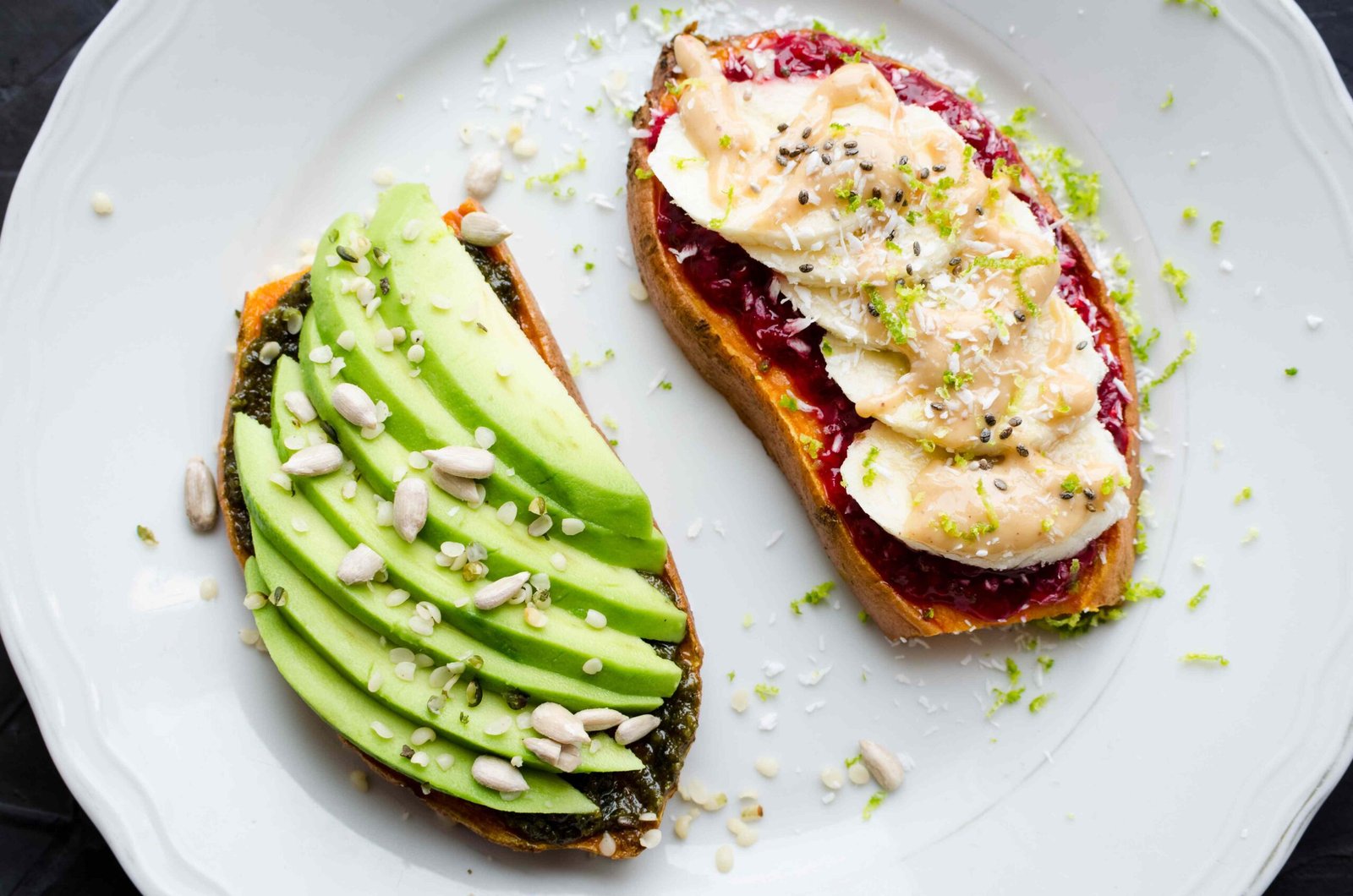
    Avocado, banana, and sweet potato are all good sources of potassium.

    NelliSyr / Getty Images

    Share
    Facebook Twitter LinkedIn Pinterest Email


    Potassium is an electrolyte (electrically charged mineral) that works with sodium, another electrolyte, to help your body maintain proper fluid balance and blood volume, among other functions.

    Most people get enough or even too much sodium from their diet. But if you don’t get enough potassium, it can disrupt the balance of these electrolytes. Keeping them in balance with enough potassium is important for preventing some of the negative effects of sodium. Potassium also has other benefits.

    Because potassium plays so many different roles in the body, having low levels may increase your risks of certain illnesses. Taking in enough potassium may help prevent certain conditions.

    The link between hypertension (high blood pressure) and low intake of potassium is well-established. Getting enough potassium may help prevent conditions associated with high blood pressure, too, such as:

    Researchers have also explored the potential role of potassium in other conditions, though the evidence isn’t as clear. For example, a higher intake of potassium may decrease your risk of:

    In the United States, most people get less potassium in their diet than recommended, and more sodium than recommended.

    For many people, it makes sense both to decrease sodium intake and to increase potassium intake on a regular basis. High sodium and low potassium increase the risk of high blood pressure and problems related to it, such as heart attack and stroke. The ratio of the two minerals may be more important than the level of either alone, so you’ll get the best effect if you target both mineral levels.

    If you’ve recently lost fluids—maybe through vomiting, diarrhea, or lots of sweating from athletic exertion—you may need to take in more potassium and sodium to replenish what you lost.

    Replacing both sodium and potassium may be particularly important in children, older adults, adults with weakened immune systems, or anyone with severe signs of dehydration or severe fluid loss.

    A healthcare provider might recommend you take sodium and potassium together through supplements or an electrolyte drink. Doing so can treat dehydration while preventing problems from electrolyte imbalances.

    If you’re looking to increase your potassium intake, try eating more potassium-rich foods. These include:

    • Potatoes
    • Bananas
    • Leafy greens
    • Avocado
    • Carrot juice
    • Orange juice
    • Dried apricots, raisins, and prunes
    • Lentils and beans
    • Milk
    • Spinach

    Potassium supplements are also an option. However, most manufacturers only sell supplements that contain 99 milligrams of potassium or less, which is much lower than the recommended daily amounts.

    At such low doses, it may be more effective for most people to try to get extra potassium through their diet instead of potassium supplements. For example, a banana contains more than four times the amount of potassium found in most over-the-counter supplements.

    It is possible to have too much potassium. Taking in too much potassium could be a factor in hyperkalemia (high levels of potassium in the blood). Hyperkalemia can cause shortness of breath and sometimes life-threatening heart rhythm problems.

    Most people can safely take potassium supplements, but some people, including people with advanced kidney disease, need to be more cautious with potassium intake. That includes intake from not only supplements, but also high-potassium foods.

    Many people consume less potassium than recommended, however. Adults and children 4 years or older should get about 4,700 milligrams of potassium a day. An adequate daily intake of potassium is 3,400 milligrams for men and 2,600 milligrams for women.

    Body Eat Potassium
    Share. Facebook Twitter Pinterest LinkedIn Tumblr Email
    Previous ArticleThe 10 Potato Side Dishes Our Readers Love Most
    Next Article 5 of the Top Support Organizations for ATTR-CM

      Related Posts

      Stories

      The cost of fuel: for Australians who can, it’s time to embrace ‘green’ transport | Transport

      March 28, 2026
      Stories

      What To Know About BA.3.2, A New, Highly Mutated COVID Variant

      March 26, 2026
      Stories

      Marriage over, €100,000 down the drain: the AI users whose lives were wrecked by delusion | Health & wellbeing

      March 26, 2026
      Add A Comment
      Leave A Reply Cancel Reply

      Top Posts

      New Research Shows Eggs Don’t Raise Your Cholesterol—But Here’s What Does

      August 1, 20256 Views

      6 Best Weightlifting Belts of 2025, According to Trainers

      July 3, 20255 Views

      What happened when I started scoring my life every day | Chris Musser

      January 28, 20262 Views
      Stay In Touch
      • Facebook
      • YouTube
      • TikTok
      • WhatsApp
      • Twitter
      • Instagram
      Latest Reviews
      Tips

      When Is the Best Time to Eat Dinner for Your Health?

      adminJuly 1, 2025
      Diet

      This Intermittent Fasting Method Outperformed the Rest—But There’s a Catch

      adminJuly 1, 2025
      Workouts

      ‘Neckzilla’ Rubel Mosquera Qualifies for 2025 Mr. Olympia After Flex Weekend Italy Pro Win

      adminJuly 1, 2025

      Subscribe to Updates

      Get the latest tech news from FooBar about tech, design and biz.

      Most Popular

      When Is the Best Time to Eat Dinner for Your Health?

      July 1, 20250 Views

      This Intermittent Fasting Method Outperformed the Rest—But There’s a Catch

      July 1, 20250 Views

      Signs, Identification, Impact, and More

      July 1, 20250 Views
      Our Picks

      5 Standing Exercises That Restore Muscle Tone Faster After 55

      March 29, 2026

      4 Chair Exercises That Target Belly Overhang After 60

      March 28, 2026

      How Long Should You Hold After 65?

      March 28, 2026
      Recent Posts
      • 5 Standing Exercises That Restore Muscle Tone Faster After 55
      • 4 Chair Exercises That Target Belly Overhang After 60
      • How Long Should You Hold After 65?
      • 5 Steakhouses With the Best Prime Rib Dinners Right Now
      • 6 Major Restaurants With the Best Smoked Brisket and Cornbread
      Facebook X (Twitter) Instagram Pinterest
      • About Us
      • Contact Us
      • Disclaimer
      • Privacy Policy
      • Terms and Conditions
      © 2025 Fit and Healthy Weight. Designed by Pro.

      Type above and press Enter to search. Press Esc to cancel.