
Close Menu
Fit and Healthy Weight

    Subscribe to Updates

    Get the latest creative news from FooBar about art, design and business.

    What's Hot

    7-Minute Standing Routine for Full-Body Strength After 60

    April 1, 2026

    Arnold Schwarzenegger Honored with Doctorate After Arnold Classic UK

    April 1, 2026

    Kim Kardashian Swears By These Exercises, According to Her Trainer

    April 1, 2026
    Facebook X (Twitter) Instagram
    Facebook X (Twitter) Instagram
    Fit and Healthy Weight
    Wednesday, April 1
    • Home
    • Diet
    • Mindset
    • Recipes
    • Reviews
    • Stories
    • Supplements
    • Tips
    • Workouts
    Fit and Healthy Weight
    Home»Diet»What Happens to Your Body When You Eat Chili Regularly?
    Diet

    What Happens to Your Body When You Eat Chili Regularly?

    By December 3, 2025No Comments3 Mins Read
    Share Facebook Twitter Pinterest LinkedIn Tumblr Reddit Telegram Email
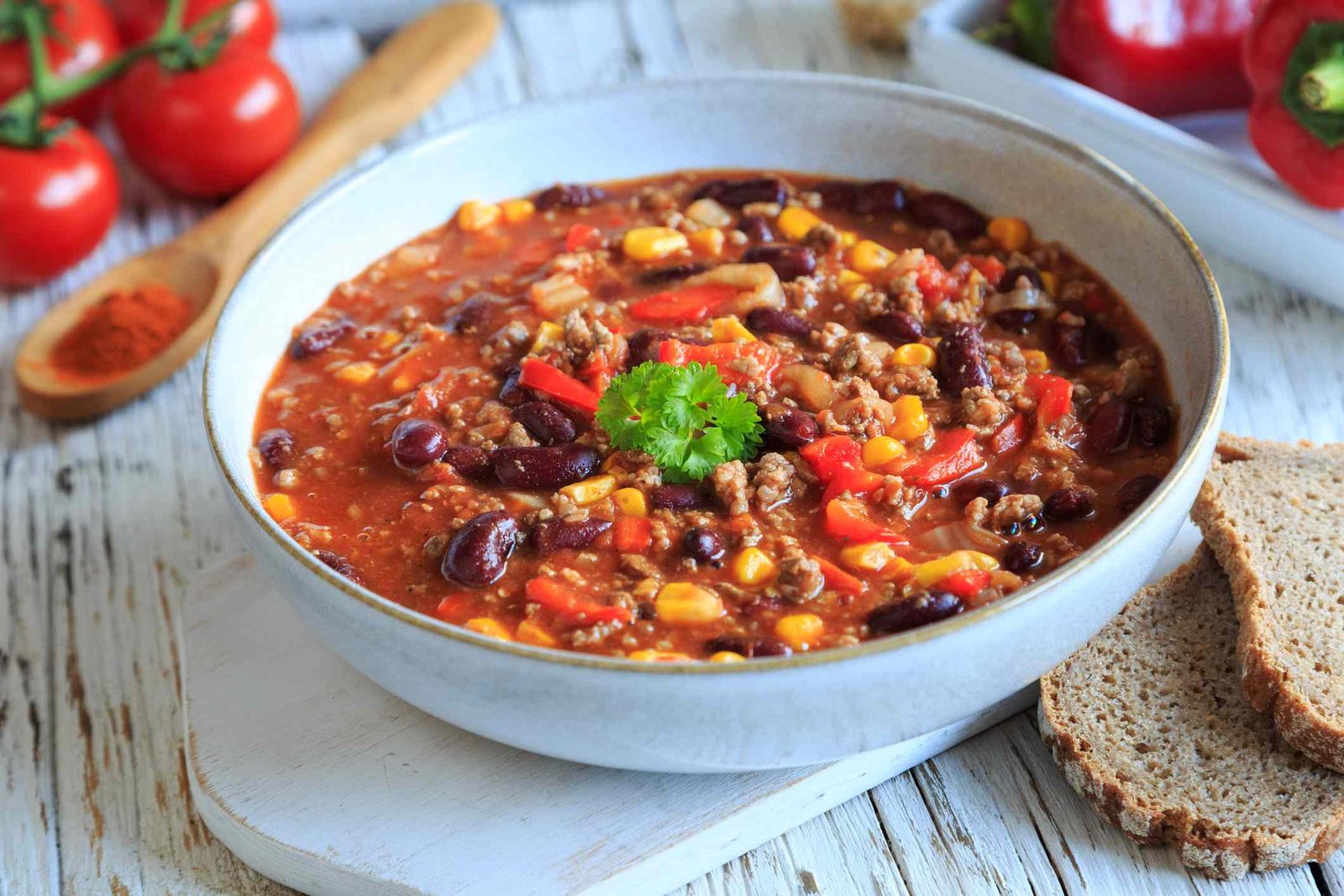
    What Happens to Your Body When You Eat Chili Regularly?
    Chili is rich in protein and fiber, which can help support heart health and metabolism.

    Juefrateam / Getty Images

    Share
    Facebook Twitter LinkedIn Pinterest Email


    If you eat chili regularly, you’re likely getting nutrients that help your heart health and blood sugar levels. Chili is full of protein, antioxidants, and fiber thanks to ingredients like meat, beans, tomatoes, and chili peppers. However, eating chili often may also cause digestive problems and high cholesterol levels.

    Eating chili regularly may help protect your heart health by managing your blood pressure and cholesterol levels. Beans used in chili contain soluble fiber. Soluble fiber forms a gel in your stomach that slows digestion and reduces cholesterol levels.

    Tomatoes added to chili also contain an antioxidant called lycopene. Studies show that lycopene can help reduce inflammation and high blood pressure, both of which are risk factors for heart disease. 

    Chili’s combination of animal protein and fiber-rich, plant-based proteins—like beans—can help slow digestion and regulate the release of glucose (sugar) into your bloodstream.

    Fiber also absorbs carbohydrates in the gut, and protein releases hormones that make you feel full. Together, fiber and protein help provide steady energy and prevent high blood sugar levels. This can help manage or lower your risk of diabetes and related health complications. 

    Eating chili with some spice may help improve your metabolism, or how your body converts food into energy. Studies have found that capsaicin in chili peppers can temporarily increase your body’s heat production (thermogenesis), which boosts metabolism and fat burning.

    If your goal is weight loss, improving your metabolism may help you burn more calories. It can also help improve your energy and hormone balance.

    While eating chili regularly can be good for your health, some people may experience negative effects if their chili is high in sodium, saturated fat, or spice. 

    High Sodium Content

    Most traditional chili recipes use canned beans and vegetables that are high in sodium. High sodium diets can lead to high blood pressure, which increases your risk of developing heart disease or stroke. If you regularly eat high-sodium chili, you may raise your blood pressure and increase your risk of heart health issues.

    High Cholesterol  

    Chili made with 80/20 ground beef, short ribs, ribeye, or pork shoulder contains higher amounts of saturated fat. The addition of processed meats like bacon and sausage also increases the saturated fat content.

    Consuming too much saturated fat can increase your LDL cholesterol levels. LDL cholesterol is often called the “bad” cholesterol. Built-up LDL cholesterol can increase your risk of heart disease and stroke.

    Digestive Issues  

    Chili peppers get their spice from an active compound called capsaicin. In large amounts, capsaicin can irritate the stomach lining and stimulate pain receptors in your digestive tract. The result is unpleasant symptoms like cramps, heartburn, acid reflux, and diarrhea. 

    People who have sensitive stomachs or health conditions like inflammatory bowel disease (IBD), stomach ulcers, gastroesophageal reflux disease (GERD), and irritable bowel syndrome (IBS) are more likely to experience digestive issues from spicy foods.

    If you want to make your chili even healthier, try these simple adjustments:

    • Choose lean meats: Choose at least 93% lean ground beef or swap out beef for a leaner meat like ground turkey.
    • Use reduced-sodium canned goods: Look for no-salt-added or reduced-sodium canned tomatoes and beans. Rinsing your canned goods can also help reduce the sodium content.
    • Add more vegetables: Increase fiber, minerals, and vitamins by incorporating more vegetables like bell peppers, carrots, pureed pumpkin, butternut squash, or zucchini. 
    • Make your own chili seasoning: Packaged chili seasoning often contains more sodium. Making your own allows you to control the sodium and spice levels. 
    Body Chili Eat Regularly
    Share. Facebook Twitter Pinterest LinkedIn Tumblr Email
    Previous Article5 Jumping Exercises to Help You Age Better and Live Longer
    Next Article 8 Healthiest Ways to Add Flaxseeds to Your Diet

      Related Posts

      Diet

      Best Morning Routine for Energy, Detox, and Digestion

      April 1, 2026
      Diet

      Best Homemade Guacamole Recipe

      March 31, 2026
      Diet

      10 Foods Proven to Work Fast

      March 31, 2026
      Add A Comment
      Leave A Reply Cancel Reply

      Top Posts

      New Research Shows Eggs Don’t Raise Your Cholesterol—But Here’s What Does

      August 1, 20256 Views

      6 Best Weightlifting Belts of 2025, According to Trainers

      July 3, 20255 Views

      What happened when I started scoring my life every day | Chris Musser

      January 28, 20262 Views
      Stay In Touch
      • Facebook
      • YouTube
      • TikTok
      • WhatsApp
      • Twitter
      • Instagram
      Latest Reviews
      Tips

      When Is the Best Time to Eat Dinner for Your Health?

      adminJuly 1, 2025
      Diet

      This Intermittent Fasting Method Outperformed the Rest—But There’s a Catch

      adminJuly 1, 2025
      Workouts

      ‘Neckzilla’ Rubel Mosquera Qualifies for 2025 Mr. Olympia After Flex Weekend Italy Pro Win

      adminJuly 1, 2025

      Subscribe to Updates

      Get the latest tech news from FooBar about tech, design and biz.

      Most Popular

      When Is the Best Time to Eat Dinner for Your Health?

      July 1, 20250 Views

      This Intermittent Fasting Method Outperformed the Rest—But There’s a Catch

      July 1, 20250 Views

      Signs, Identification, Impact, and More

      July 1, 20250 Views
      Our Picks

      7-Minute Standing Routine for Full-Body Strength After 60

      April 1, 2026

      Arnold Schwarzenegger Honored with Doctorate After Arnold Classic UK

      April 1, 2026

      Kim Kardashian Swears By These Exercises, According to Her Trainer

      April 1, 2026
      Recent Posts
      • 7-Minute Standing Routine for Full-Body Strength After 60
      • Arnold Schwarzenegger Honored with Doctorate After Arnold Classic UK
      • Kim Kardashian Swears By These Exercises, According to Her Trainer
      • Best Morning Routine for Energy, Detox, and Digestion
      • Standing Exercises for Belly Pooch After 60, From a Trainer
      Facebook X (Twitter) Instagram Pinterest
      • About Us
      • Contact Us
      • Disclaimer
      • Privacy Policy
      • Terms and Conditions
      © 2025 Fit and Healthy Weight. Designed by Pro.

      Type above and press Enter to search. Press Esc to cancel.