

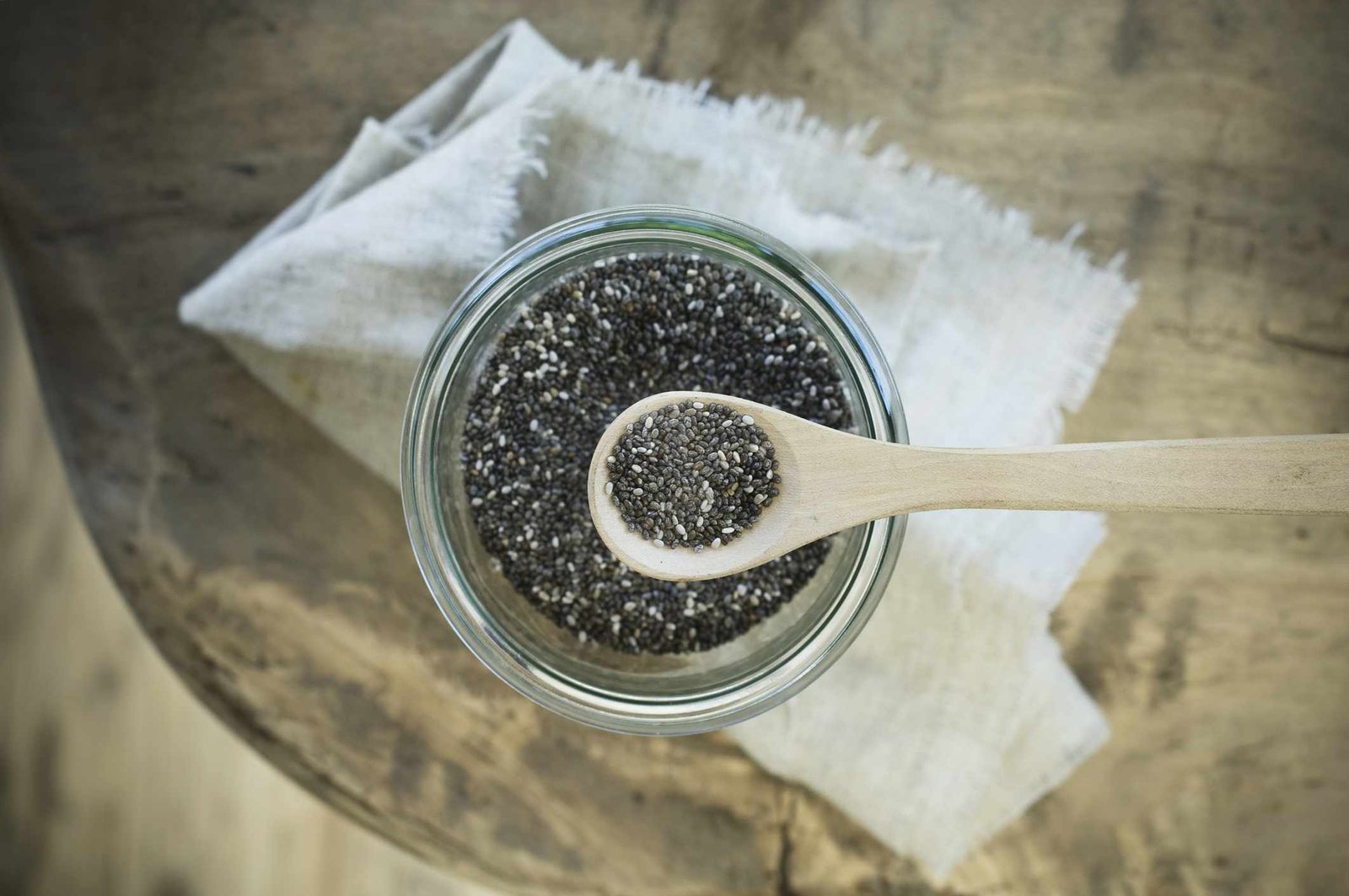
Whether sprinkled on yogurt or blended into a smoothie, chia seeds are a rich source of fiber, omega-3 fatty acids, and antioxidants. But how do they impact your body when you eat them all the time? Here are seven potential effects.
Just two tablespoons of chia seeds can provide about 35% of your daily fiber needs. Chia seeds have both soluble and insoluble fiber. Soluble fiber helps hydrate and add bulk to the stool, which can help prevent and treat constipation. Insoluble fiber speeds up intestinal mobility and encourages regular bowel movements.
Fiber also supports the growth of healthy bacteria in the gut, which could translate into improved digestion and may lower the risk of cancer, diabetes, and heart disease.
Chia seeds contain anti-inflammatory compounds like omega-3 fats and polyphenols. Both help decrease intestinal inflammation.
These tiny seeds are also rich in the antioxidant mineral selenium and are a good source of calcium and zinc. People with digestive disorders like inflammatory bowel disease (IBD) tend to be low in these nutrients.
Eating chia seeds may decrease risk factors for heart disease, including:
- High blood cholesterol levels: Chia seed consumption may lower total cholesterol, low-density lipoprotein (LDL) cholesterol, and triglyceride levels. It’s been linked with an increased level of heart-protective high-density lipoprotein (HDL) cholesterol.
- Hypertension: Chia seeds are a source of magnesium and protein. Both help treat hypertension (high blood pressure).
- Inflammation: Omega-3 fatty acids in chia seeds can lower inflammation in blood vessel walls. This may help lower blood pressure.
Chia seeds are rich in antioxidants, which are molecules that help prevent or reverse cell and tissue damage. Specifically, chia seeds contain quercetin and chlorogenic acid. Quercetin has immune-supportive and anti-inflammatory effects. Chlorogenic acid may lower the risk of cancer and hypertension.
Chia seeds are a good source of calcium, which supports bone health. They’re also rich in other minerals that may improve bone health, including phosphorus and magnesium.
Chia seeds are very high in fiber and contain some plant protein. These nutrients help slow digestion and prevent post-meal blood sugar spikes. This also means they help you feel full for longer and curb your appetite.
Chia seeds’ high fiber content may support blood sugar regulation. Fiber isn’t absorbed in the body, so high-fiber foods don’t cause blood sugar spikes like other carbohydrates containing little fiber do.
Chia seed consumption is linked to improved blood sugar control and insulin sensitivity. This may be helpful for people with and without diabetes.
Omega-3 fatty acids, antioxidants, and viscous fiber in chia seeds may help protect against diabetes in people at high risk for it. This includes people with non-alcoholic fatty liver disease (NAFLD).
Chia seeds may also enhance glucose (sugar) metabolism. They improve the function of the cells that make and release insulin.
Chia seeds are generally safe to consume and well-tolerated when eaten in moderate amounts.
Because they are high in fiber, however, they may cause digestive symptoms like gas, diarrhea, and bloating for some people. If you aren’t used to eating high-fiber foods, it’s best to gradually increase your intake. Make sure to also drink plenty of water.
Even in small doses, chia seeds boast a powerful nutritional profile.
Just 1 ounce (a little more than 2 tablespoons) of chia seeds delivers:
- Calories: 138
- Fat: 8.7 grams (g)
- Saturated Fat: 0.95 g
- Trans Fat: 0.04 g
- Fiber: 9.8 g
- Protein: 4.7 g
- Iron: 2.2 milligrams (mg)
- Phosphorus: 244.2 mg
- Zinc: 1.3 mg
- Calcium: 179.2 mg
- Magnesium: 95.1 mg
- Selenium: 15.7 micrograms (mcg)
- Manganese: 0.77 mg
- Copper: 0.26 mg
Chia seeds are rich in essential minerals, especially magnesium, selenium, manganese, and copper.
Your body needs magnesium for DNA synthesis, muscle contraction, nerve function, blood sugar regulation, and blood pressure maintenance. Low magnesium levels can contribute to health conditions like stroke, hypertension, and depression.
Selenium is essential for thyroid hormone production and inflammation regulation. Manganese helps with energy metabolism and immune function.
Copper helps form enzymes that support energy production, connective tissue formation, and other bodily functions.
Chia seeds swell when exposed to liquids and take on a thick, sticky consistency, which can become lodged in the esophagus and cause an impaction (blockage). To prevent this, allow your chia seeds to expand fully in liquid before eating them.
Here are some simple ways to incorporate chia seeds into your diet:
- Combine them with your milk of choice and let them thicken to make chia pudding.
- Stir them into yogurt, cereal, or oatmeal.
- Blend them into a smoothie.
- Add chia seeds to homemade baked goods like breads and muffins.
- Use chia flour in baked goods.
- Add chia seeds to homemade granola, energy balls, and trail mix.
- Heat them in a saucepan with fresh or frozen berries to create a low-sugar chia jam.
- Mix them into salads or salad dressing.
- Use them as a topping for avocado toast or banana and peanut butter toast.
To make a simple yet filling chia pudding:
- Combine 4 tablespoons of chia seeds with 1 cup of milk in a mason jar and stir.
- After a few minutes, shake the mason jar and then let the mixture firm up for at least an hour.
- Add sweeteners, like honey or maple syrup, to taste and top with fresh fruit, nut butter, and sliced almonds.
