

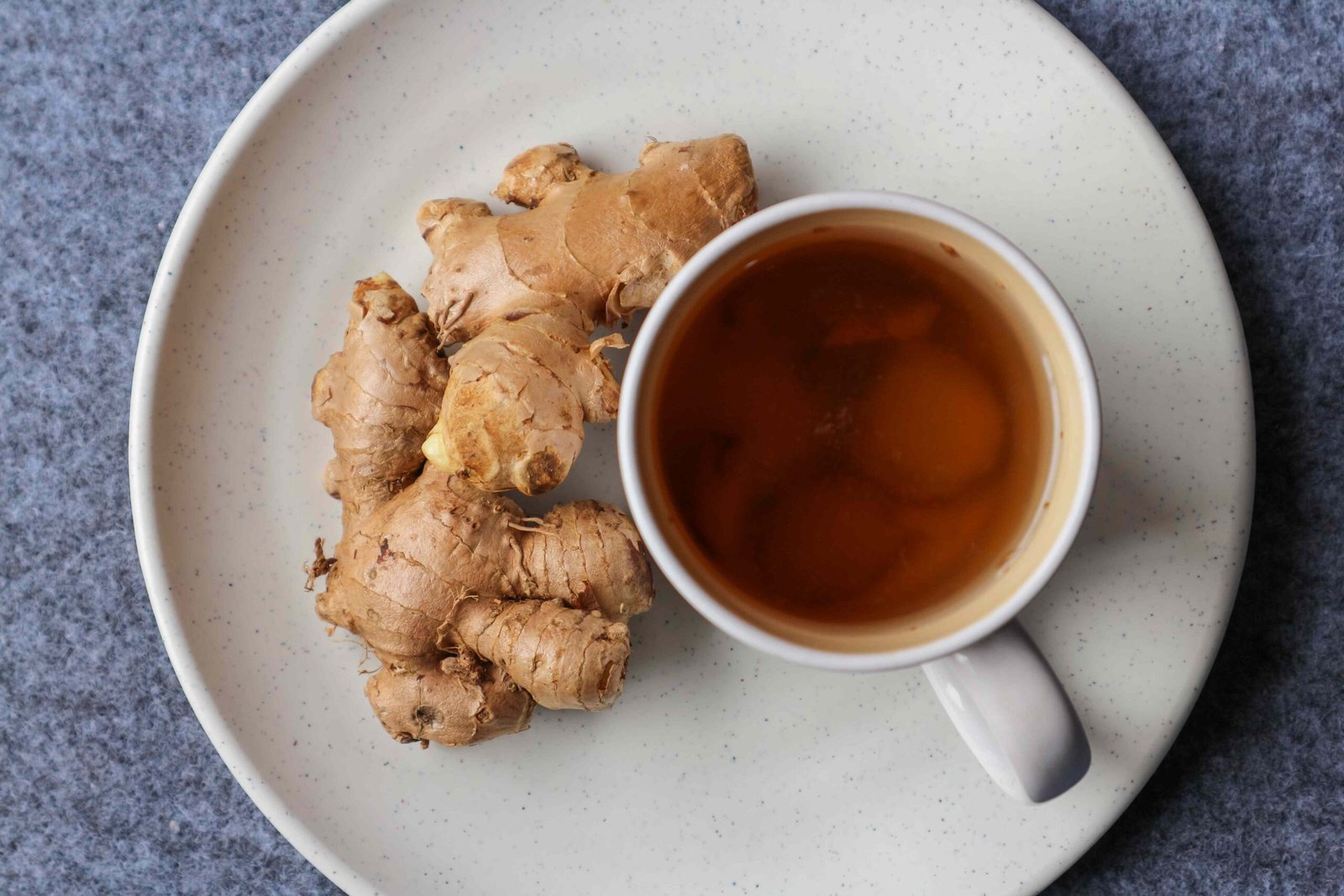
Ginger is known for soothing the stomach. Having it regularly in tea could help with that and more.
Ginger has more than 100 compounds, including gingerol. Gingerol is a plant compound that helps move food through the stomach and the rest of the digestive system. When food moves through smoothly, there’s less gas and bloating since the food is not sitting in the gut for as long.
Ginger tea can also help with gas and bloating because ginger reduces fermentation (a breakdown of undigested nutrients in the gut) and constipation, two actions that can lead to the digestive symptoms.
Research also suggests that ginger may be helpful in decreasing symptoms of gastrointestinal conditions, such as irritable bowel syndrome (IBS) and inflammatory bowel disease (IBD).
Drinking ginger tea regularly might be helpful if you often have nausea. Research shows ginger has been effective in reducing nausea from pregnancy, motion sickness, and chemotherapy. Ginger might even be an effective alternative to anti-nausea medications for people who are pregnant or undergoing chemotherapy.
Chronic inflammation, or long-term inflammation, happens when your body continues to send inflammatory signals even when those defenses aren’t needed. Over time, chronic inflammation can cause or worsen a variety of health conditions, including diabetes, heart disease, and arthritis. Gingerol and shogaol, two of the main compounds in ginger, may help reduce inflammation and the risk of conditions that inflammation can cause.
Some research also suggests ginger’s anti-inflammatory abilities can reduce inflammatory responses associated with autoimmune conditions, such as:
- Rheumatoid arthritis
- Psoriasis
- Ulcerative colitis
- Crohn’s disease
- Lupus
The anti-inflammatory effects of ginger may help reduce pain and stiffness.
One way ginger might reduce pain is by improving menstrual cramps. In fact, ginger might be as effective as nonsteroidal anti-inflammatory drugs (NSAIDs) for period pain. One review of several studies concluded that consuming up to 2 grams of ginger per day (an amount that could be in a cup or two of tea) in powder or root form can be used safely to relieve menstrual cramp pain.
Ginger can also help with osteoarthritis stiffness. Researchers have studied ginger in combination with turmeric and black pepper on osteoarthritis in the knee. One study found that this herbal mix was as effective as Aleve (naproxen) in reducing moderate knee pain from osteoarthritis.
Even though research is promising, more research is needed to fully understand how ginger or ginger tea can be used for pain.
Ginger tea usually doesn’t have sugar (unless you add it) and is low in calories, which makes it a good choice if you’re trying to manage weight.
Research on ginger for weight loss is limited, but one review of human and animal studies found that ginger might help with weight management by disrupting the body’s fat storage process and by controlling appetite.
Because of ginger tea’s no sugar and low calories, the drink is a good choice if you want to avoid spikes in blood sugar.
There is some evidence that ginger may help with blood sugar control in people with type 2 diabetes and obesity. One review found ginger effective in reducing body weight and fasting insulin levels.
Ginger’s antioxidant and anti-inflammatory properties are likely why ginger can benefit the heart. The herb has the potential to help lower cholesterol and prevent blood clots.
A cup or two of ginger tea each day might improve your heart health. Some research suggests 2-4 grams of ginger per day may help lower the risk of high blood pressure and heart disease.
Research suggests ginger may reduce your risk of cancer. The compounds gingerol and shogoal might help by causing cancer cells to die and preventing them from growing and multiplying. Ginger could have an effect on the following types of cancer:
- Breast cancer
- Prostate cancer
- Ovarian cancer
- Colon cancer
- Lung cancer
- Cervical cancer
- Pancreatic cancer
Ginger tea is generally safe to drink daily in moderate amounts. You can make it from fresh ginger or buy a tea bag with dried ginger.
If you’re taking blood thinners, which are medications that help prevent blood clots, talk with a healthcare provider before adding ginger tea to your daily routine. The tea can have a blood-thinning effect, which, in combination with the medication, can increase the effect of the medication and thin the blood too much.
How Much Should You Have?
Much of the research on ginger is based on supplements, and supplements tend to have a higher concentration of ginger than tea. There aren’t guidelines for how much ginger to use for various symptoms and conditions.
The U.S. Food and Drug Administration (FDA) considers a daily amount of 4 grams or less to be safe for regular consumption.
Having more than 4 grams of ginger daily has been shown to cause gastrointestinal side effects, such as heartburn and diarrhea. In some people, larger amounts of ginger can lower blood pressure and cause arrhythmia (irregular heart rhythm).
