

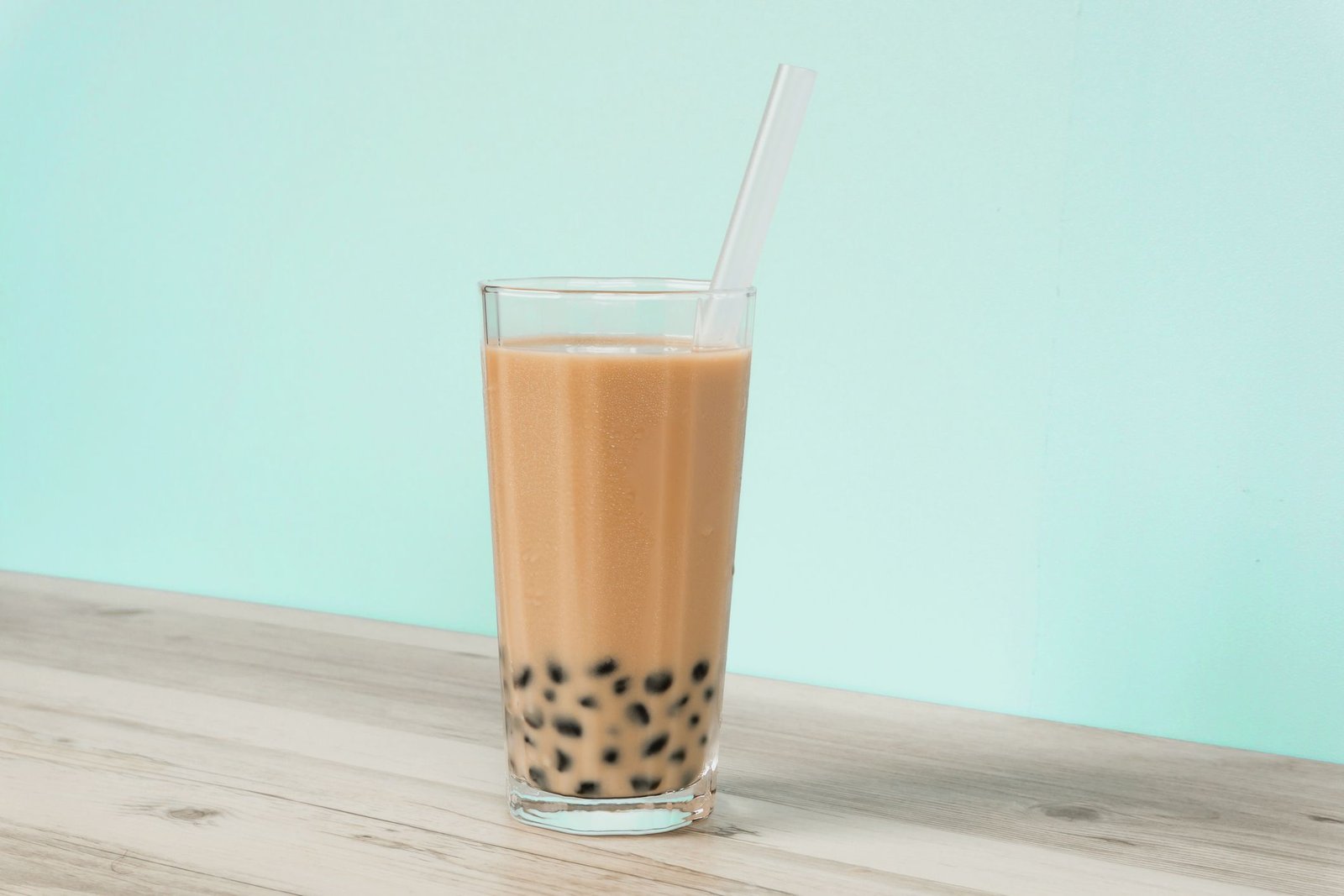
Boba tea, also known as bubble tea or pearl milk tea, is a popular beverage made using tea, milk, and boba (tapioca pearls). Some boba teas include other ingredients like matcha, cinnamon, taro, and more. The drink is typically high in added sugar.
Boba is typically low in salt. One cup (8 ounces) of boba tea contains about 21.6 milligrams of sodium. The American Heart Association classifies low-sodium foods as having less than 140 milligrams of sodium per serving.
Choosing boba tea instead of a salty snack can help keep your overall sodium intake low.
Boba is usually made using tea. Most types of tea contain plant compounds called polyphenols that have anti-inflammatory properties. These phytochemicals function as antioxidants in your body and can protect your cells from damage. They may also reduce your risk of heart disease, diabetes, and even cancer.
The milk in boba tea gives the drink its creamy texture and also provides your body with much-needed calcium and vitamin D. For the full benefits, request boba with whole milk rather than a non-dairy creamer.
One cup of whole milk contains 306 milligrams of calcium, about 23% of the Daily Value (DV) for this nutrient. Most store-bought milk is fortified with vitamin D. One cup of whole milk with added vitamin D provides 2.39 micrograms of vitamin D, which is about 12% of the DV.
Depending on the type of boba you drink and the ingredients you add, your beverage could be high in sugar. Drinking sugar-sweetened beverages regularly can increase your risk of type 2 diabetes, obesity, and other metabolic conditions.
The Dietary Guidelines for Americans recommends limiting your added sugar intake to less than 10% of your total daily calories.
Drinking boba made with caffeinated teas like black, green, and oolong tea can contribute to your total caffeine intake for the day. For instance, a 12-ounce serving of black tea contains about 71 milligrams of caffeine, while the same serving of green tea contains about 37 milligrams.
The U.S. Food and Drug Administration (FDA) recommends adults consume less than 400 milligrams of caffeine per day. Drinking more than this could cause side effects like increased heart rate, anxiety, nausea, and headache.
If drinking boba tea is your go-to, feel-good drink, there are things you can do to reduce the sugar content and make it more nutritious. For instance:
- Swap sugary add-ins, such as brown sugar boba pearls or flavored jellies, for more nutritious options like fresh fruit or aloe vera.
- Request whole milk or unsweetened plant milk.
- Choose a smaller serving size.
- Drink boba alongside a meal that includes protein, fiber, and healthy fats to slow sugar absorption and keep blood sugar steady.
