

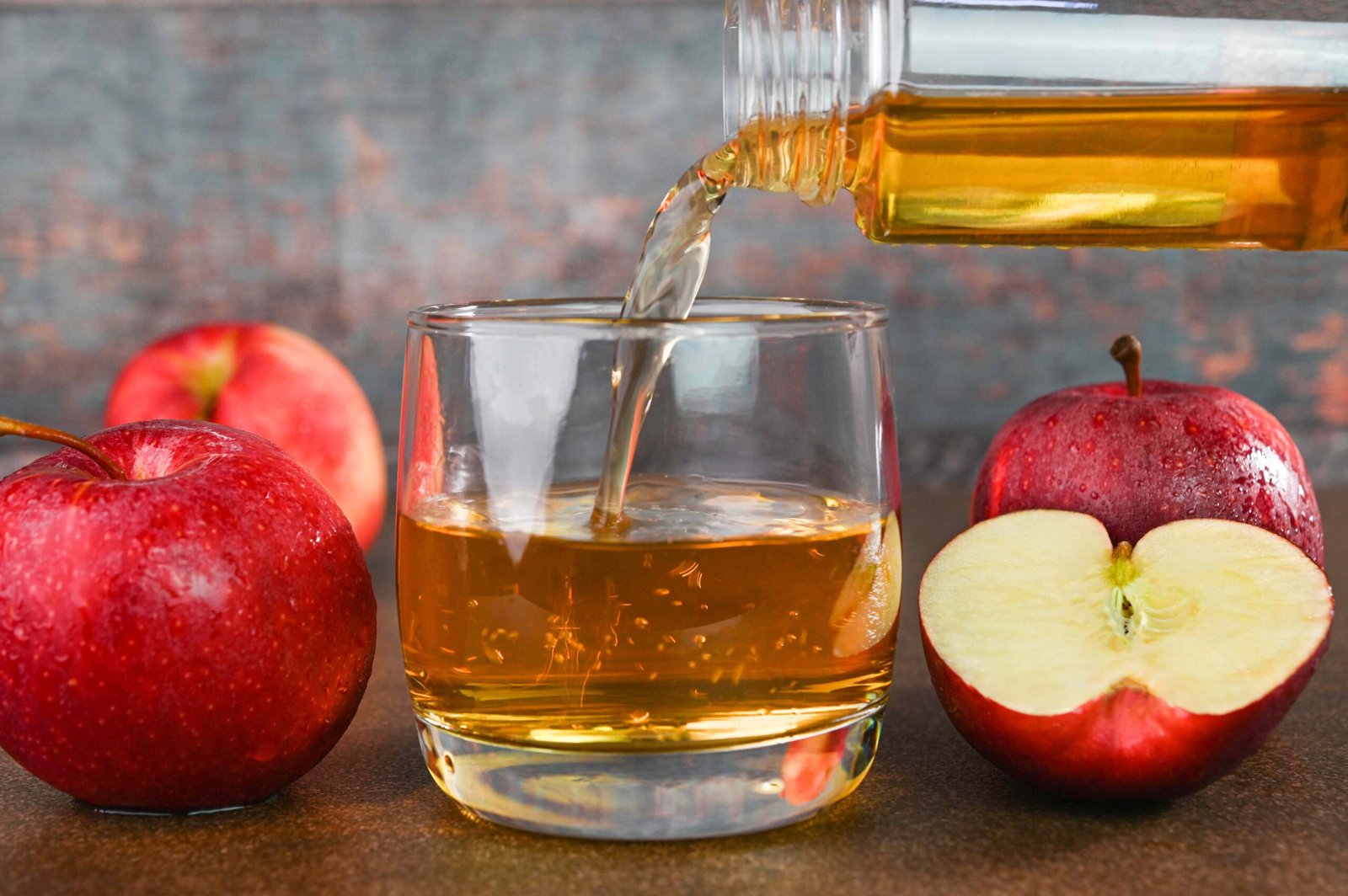
Apple juice might not only taste good, but it can have some serious benefits to your health if you drink it in moderation. Here are four ways apple juice can help you:
Apple juice has polyphenols, a type of antioxidant. Antioxidants are substances that protect cells from damage. When cells get damaged, it can increase your risk of chronic conditions. That means by taking in its polyphenols, apple juice may help protect you against conditions like hypertension (high blood pressure).
To get the most out of apple juice’s potential antioxidant effects, opt for cloudy apple juice. Polyphenols can be lost during the juicing process for clear apple juice. Cloudy apple juice tends to have more polyphenols.
Apple juice may help protect against cardiovascular disease (CVD). This might be because of the juice’s effects on CVD risk factors, such as high lipid levels. While some results have been mixed, drinking apple juice has been associated with lower lipids, which are fatty compounds in your blood that can contribute to CVD.
The juicing process removes a lot of the nutrients that a whole apple provides. For instance, clear apple juice has virtually no fiber. Still, research shows that people who drink 100% fresh fruit juice, including apple juice, take in more nutrients than people who don’t drink the juice.
People who drink 100% fruit juice had higher levels of:
- Vitamin C
- Vitamin D
- Calcium
- Magnesium
- Potassium
People who drink 100% fruit juice are also more likely to meet the daily recommended amount of fruit.
Apple juice may play a part in protecting your brain against disease. The protection against cell damage that the antioxidants in apple juice can provide could help protect against neurodegenerative disorders, such as dementia and Alzheimer’s disease.
Apple juice may also be able to help manage neurodegenerative disorders if a loved one has already been diagnosed. Early research suggests that people in the moderate-to-late stage of Alzheimer’s disease who drink apple juice regularly may have improvements in some of their symptoms.
Alzheimer’s doesn’t affect just your memory—it can also affect your behaviors and emotions. People who drank 8 ounces of apple juice a day for a month had significant improvements in anxiety, agitation, and delusion (when you firmly believe in something that’s not real).
Apple juice should be consumed in moderation. Apple juice is high in sugar. If you have too much apple juice, you may be taking in too much sugar. This sugar can lead to:
- Obesity
- Tooth erosion
- Cavities
Speak with a doctor or registered dietitian to find out how much apple juice might be best for you each day.
