
Close Menu
Fit and Healthy Weight

    Subscribe to Updates

    Get the latest creative news from FooBar about art, design and business.

    What's Hot

    How Long To Hold a Plank After 60 for Strong Core

    March 30, 2026

    5 Bed Exercises That Address Waist Thickening After 60

    March 30, 2026

    5 Chair Exercises That Restore Walking Endurance at 65

    March 29, 2026
    Facebook X (Twitter) Instagram
    Facebook X (Twitter) Instagram
    Fit and Healthy Weight
    Monday, March 30
    • Home
    • Diet
    • Mindset
    • Recipes
    • Reviews
    • Stories
    • Supplements
    • Tips
    • Workouts
    Fit and Healthy Weight
    Home»Stories»What Happens to Your Body When You Do Cardio Every Day
    Stories

    What Happens to Your Body When You Do Cardio Every Day

    By December 20, 2025No Comments4 Mins Read
    Share Facebook Twitter Pinterest LinkedIn Tumblr Reddit Telegram Email
    What Happens to Your Body When You Do Cardio Every Day
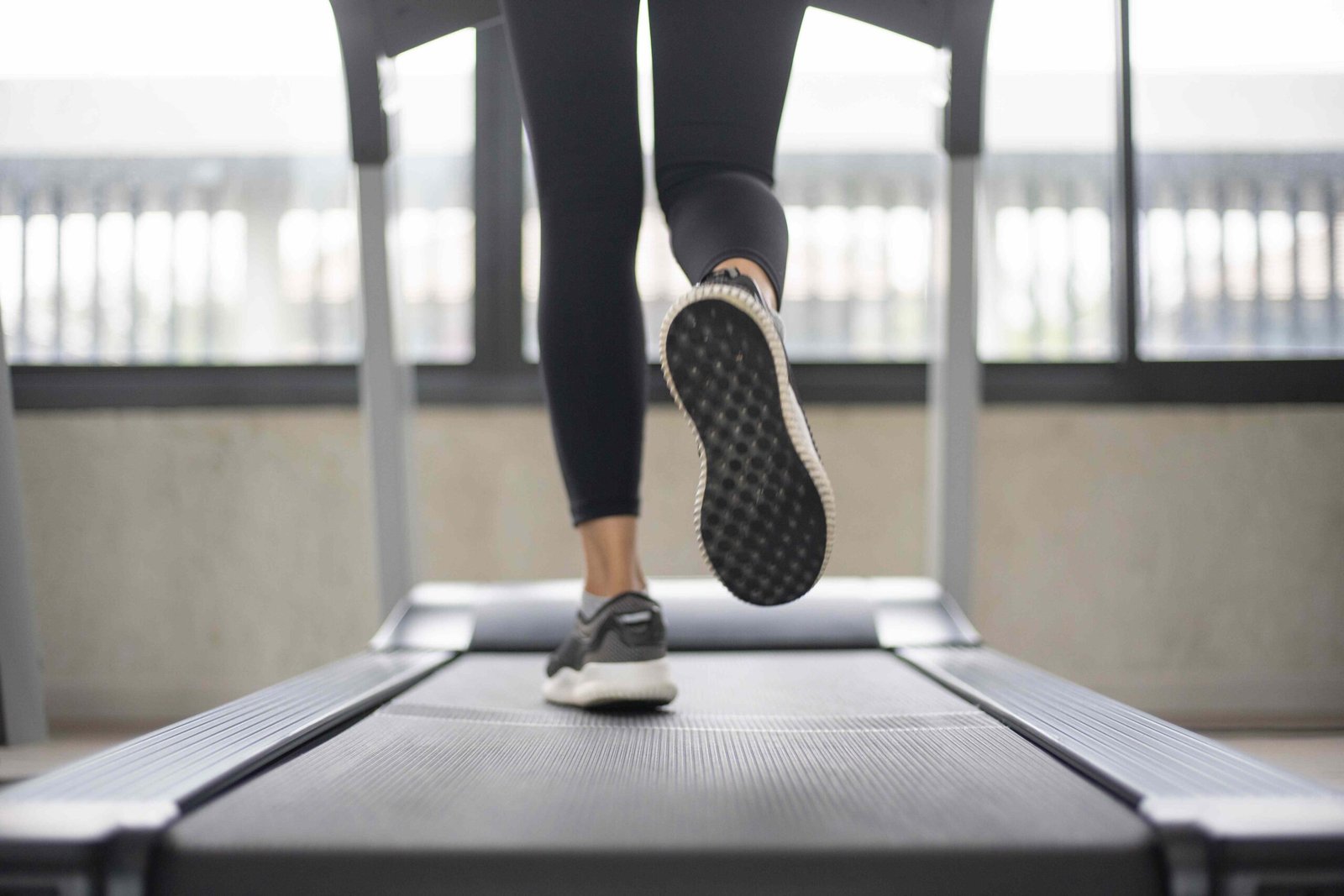
    Cardio exercises challenge your heart, lungs, and muscles.

    Sorrasak Jar Tinyo / Getty Images

    Share
    Facebook Twitter LinkedIn Pinterest Email


    Most people know that cardio exercise gets your heart pumping and your breathing rate up. But what actually happens to your body over time when you make biking, jogging, or other cardio workouts part of your daily routine? Here are six potential effects.

    Cardio exercise can increase mitochondria, the parts of a cell that break down food and produce energy. The more mitochondria, the more energy your cells can generate. “Over time, this leads to better endurance, faster recovery, and improved overall fitness,” Erica Coviello, CPT, personal trainer, running coach, and owner of Run Fit Stoked, told Health.

    Cardio—especially low-intensity exercise—strengthens the heart muscle, much like daily squats build up your legs. “A stronger, more efficient heart is better at pumping blood,” Coviello said. 

    Over time, this improved circulation helps blood vessels relax and widen, which can reduce the buildup of plaque in your arteries. Having healthy arteries lowers the risk of high cholesterol, high blood pressure, stroke, heart attack, and heart disease.

    Daily cardio improves the efficiency of your respiratory system and boosts lung capacity, Coviello explained. In other words, your lungs become faster and more effective at delivering oxygen to your working muscles. This lets you exercise longer and breathe more easily. Healthy lungs not only make workouts easier but may also reduce your risk of conditions like lung infections, bronchitis, and pneumonia.

    Cardio triggers the release of “feel-good” hormones such as endorphins, dopamine, and serotonin, Coviello said. At the same time, it can help reduce stress hormones like cortisol, potentially improving mood and easing anxiety. In fact, a 2024 study found that regular exercise may be an effective part of treating depression.

    Doing cardio daily helps regulate blood sugar and may lower the risk of metabolic disease, according to Or Artzi, CPT, founder of the fitness platform Orriors.

    Your muscles store glucose, the body’s main source of energy. During exercise, your muscles use this energy, pulling sugar from the bloodstream and lowering levels. A 2024 meta-analysis found that cardio can improve average blood sugar levels in people with type 2 diabetes in the 24 hours after a workout.

    Keeping blood sugar levels in check over the long term can help prevent conditions like type 2 diabetes, stroke, and heart disease.

    Some people who do cardio every day may notice signs of overtraining, Coviello warned. Elevated resting heart rate, persistent fatigue, mood changes, brain fog, declining performance, more frequent illness, loss of appetite, recurring injuries, severe soreness, and sleep disturbances can all signal that your body needs a break. 

    Women, in particular, face a higher risk of a condition called relative energy deficiency in sport (RED-S), which can happen when athletes don’t eat enough to meet the energy demands of their training. According to Coviello, symptoms can include low energy, irregular periods, and stress fractures or other signs of weakened bones. “This trio of symptoms is a giant neon sign that the body is under-fed, over-stressed, and overtrained,” Coviello said.

    Daily cardio can be beneficial, provided it’s “introduced or maintained thoughtfully and in the right way,” Coviello said. 

    That means supporting your body with adequate sleep, balanced nutrition, and staying hydrated, Artzi explained. She and Coviello also recommend varying your workout intensity: aim for roughly 80% of sessions to be easy, 10-20% moderate, and include just a few hard ones. 

    Rest days are also important, Coviello said, because they allow your body to:

    • Repair muscle fibers so they come back stronger
    • Lower inflammation before it turns into injury
    • Replenish glycogen so you’re not running on fumes
    • Reset your nervous system so workouts feel manageable
    • Boost long-term performance

    “When recovery is skipped or underestimated, it can lead to persistent soreness, fatigue, fitness plateaus, and an increased risk of injury,” Artzi added.

    Body Cardio Day
    Share. Facebook Twitter Pinterest LinkedIn Tumblr Email
    Previous ArticlePassive Communication and Social Anxiety
    Next Article 8 Mediterranean Diet Foods to Stock Up on This Winter

      Related Posts

      Stories

      ‘The highs are extremely high – but the lows are extremely low’: when working out becomes an addiction | Fitness

      March 29, 2026
      Stories

      ‘I thought, what the hell have I done?’: the people who moved abroad for love – and regretted it | Relationships

      March 29, 2026
      Stories

      The cost of fuel: for Australians who can, it’s time to embrace ‘green’ transport | Transport

      March 28, 2026
      Add A Comment
      Leave A Reply Cancel Reply

      Top Posts

      New Research Shows Eggs Don’t Raise Your Cholesterol—But Here’s What Does

      August 1, 20256 Views

      6 Best Weightlifting Belts of 2025, According to Trainers

      July 3, 20255 Views

      What happened when I started scoring my life every day | Chris Musser

      January 28, 20262 Views
      Stay In Touch
      • Facebook
      • YouTube
      • TikTok
      • WhatsApp
      • Twitter
      • Instagram
      Latest Reviews
      Tips

      When Is the Best Time to Eat Dinner for Your Health?

      adminJuly 1, 2025
      Diet

      This Intermittent Fasting Method Outperformed the Rest—But There’s a Catch

      adminJuly 1, 2025
      Workouts

      ‘Neckzilla’ Rubel Mosquera Qualifies for 2025 Mr. Olympia After Flex Weekend Italy Pro Win

      adminJuly 1, 2025

      Subscribe to Updates

      Get the latest tech news from FooBar about tech, design and biz.

      Most Popular

      When Is the Best Time to Eat Dinner for Your Health?

      July 1, 20250 Views

      This Intermittent Fasting Method Outperformed the Rest—But There’s a Catch

      July 1, 20250 Views

      Signs, Identification, Impact, and More

      July 1, 20250 Views
      Our Picks

      How Long To Hold a Plank After 60 for Strong Core

      March 30, 2026

      5 Bed Exercises That Address Waist Thickening After 60

      March 30, 2026

      5 Chair Exercises That Restore Walking Endurance at 65

      March 29, 2026
      Recent Posts
      • How Long To Hold a Plank After 60 for Strong Core
      • 5 Bed Exercises That Address Waist Thickening After 60
      • 5 Chair Exercises That Restore Walking Endurance at 65
      • 5 Standing Exercises That Build Upper Arm Strength at 55
      • ‘The highs are extremely high – but the lows are extremely low’: when working out becomes an addiction | Fitness
      Facebook X (Twitter) Instagram Pinterest
      • About Us
      • Contact Us
      • Disclaimer
      • Privacy Policy
      • Terms and Conditions
      © 2025 Fit and Healthy Weight. Designed by Pro.

      Type above and press Enter to search. Press Esc to cancel.