

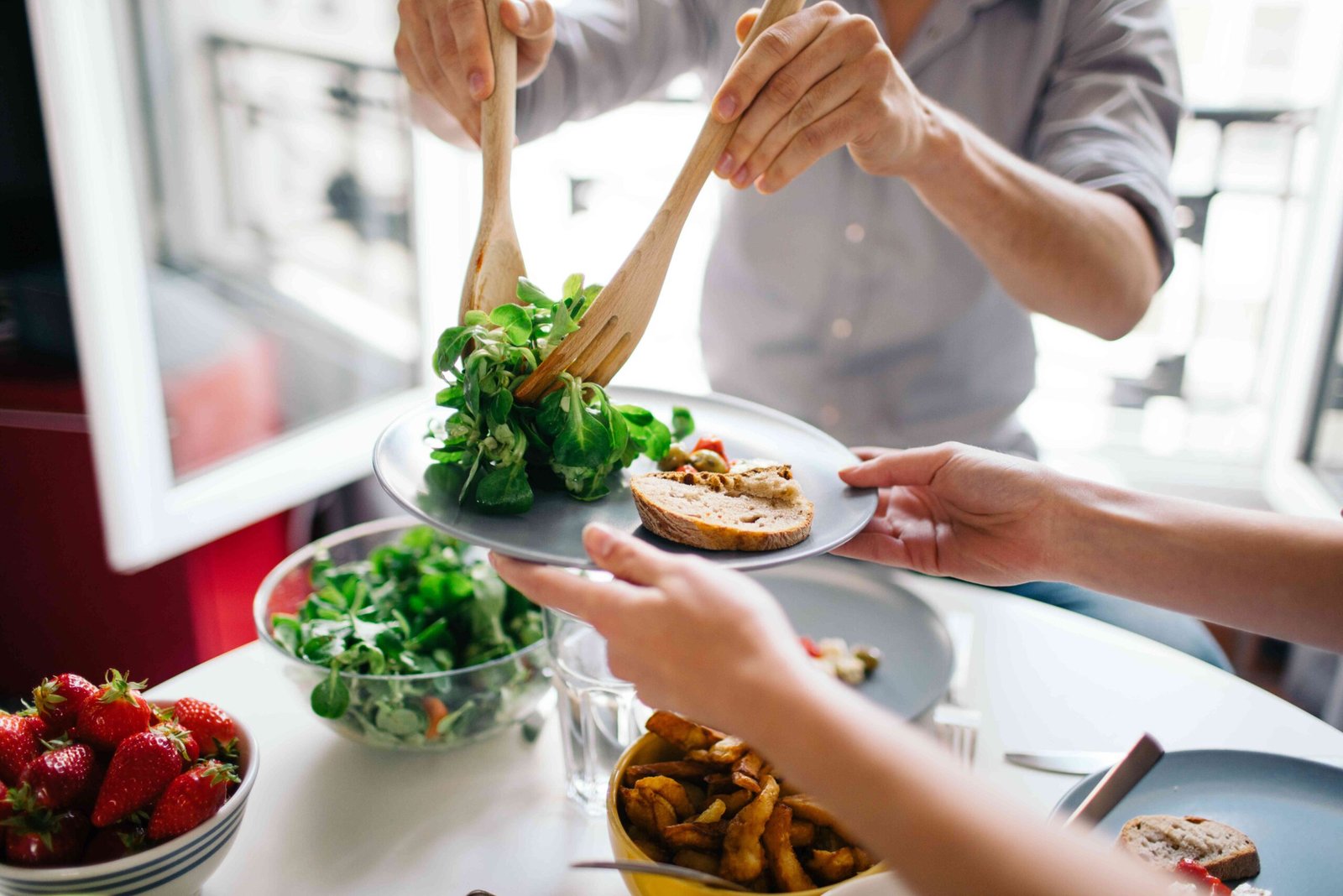
Drastically cutting back on ultra-processed foods could lead to significant health improvements, including having more energy and losing weight.
Ultra-processed foods—sweet and savory snacks, processed meats, packaged frozen entrées—account for 60% of the average American’s diet, but contain little to no nutritional value, and are packed with artificial flavors, preservatives, added sugars, and sodium.
“Highly processed foods are often calorie-dense, higher in refined grains, sugar, saturated fat, and salt, and lower in fiber and other important nutrients,” Sapana Shah, MD, MPH, clinical associate professor of medicine at the NYU Grossman School of Medicine and internist at NYC Health + Hospitals/Bellevue, told Health.
But reducing your intake of these foods can lead to a variety of health benefits.
Research published in 2024 sought to uncover the true health benefits of cutting out ultra processed foods.
To do that, a team of researchers recruited 14 adults who ate at least two ultra-processed foods a day to participate in an eight-week program, consisting of education, meal-planning, and financial support focused on improving participants’ relationships with ultra-processed foods.
“The primary goal of this study was to test how well-received and effective a specific program was for reducing ultra-processed food intake,” said study co-author Charlotte Hagerman, PhD, assistant research professor at Drexel University. “That said, we observed significant health improvements when people reduced their ultra-processed food intake by half.”
By the end of the eight-week program, participants saw the following changes to their health:
- Ate 600 fewer calories each day, on average.
- Reduced sugar consumption by 50%
- Cut saturated fat consumption by 37%
- Decreased sodium consumption by 28%
Study participants also reported other health benefits, including better skin, less swelling in their limbs, improved mood, more energy, and even weight loss—7.7 pounds, on average.
Though more research—and eventually guideline changes—are needed in the future, the “results were very promising,” said Hagerman. “Behavioral programs can help people reduce their ultra-processed food intake by a large amount, at least for a short time.”
Though the study focused on some of the short-term effects of reducing consumption of ultra-processed foods—including weight loss—experts said making this dietary switch could have more long-lasting health impacts, too.
Much of the existing research on the impact of eating ultra-processed foods focuses on their link to certain chronic conditions.
A 2024 umbrella review of previous studies found that eating ultra-processed foods could increase a person’s risk of cardiovascular disease, type 2 diabetes, and colorectal cancer.
And another systematic review published last year found that eating ultra-processed foods was associated with a number of adverse health metrics, including increased risks of all-cause and cardiovascular disease mortality, type 2 diabetes, cancer, cardiovascular events, and anxiety.
“This suggests if we were to reduce ultra-processed foods from our diets, our risk of these adverse health outcomes would be reduced,” Shah said. “Reducing or eliminating ultra-processed foods results in a reduced risk of cardiometabolic disease and mental health disorders.”
Ultra-processed foods are often cheaper and more accessible than healthier alternatives, plus they can be addictive. That means reducing your consumption isn’t always easy—so how do you start?
Take it slow. “Instead of eliminating all ultra-processed foods at once, slowly reduce intake to create sustainable habits,” Tamar Samuels, RD, a registered dietitian and co-founder of Culina Health, told Health. Focusing on these TK habits can help:
- Eat whole foods whenever you can. “Prioritize fresh fruits, vegetables, whole grains, lean proteins, nuts, and seeds,” said Samuels. “Aim for half your plate to be produce with breakfast, lunch, and dinner.”
- Read labels more often. This helps you identify when you’re eating ultra-processed foods. “Avoid long ingredient lists containing unfamiliar additives,” said Samuels.
- Choose cooking at home over eating out. This gives you “better control over ingredients,” said Samuels. Plus, if you plan your meals in advance or pack a lunch, you’ll be less tempted to hit the vending machine or fast food drive-through.
- Stay hydrated. “Sometimes, cravings for ultra-processed [food stems] from dehydration rather than hunger,” said Samuels.
