

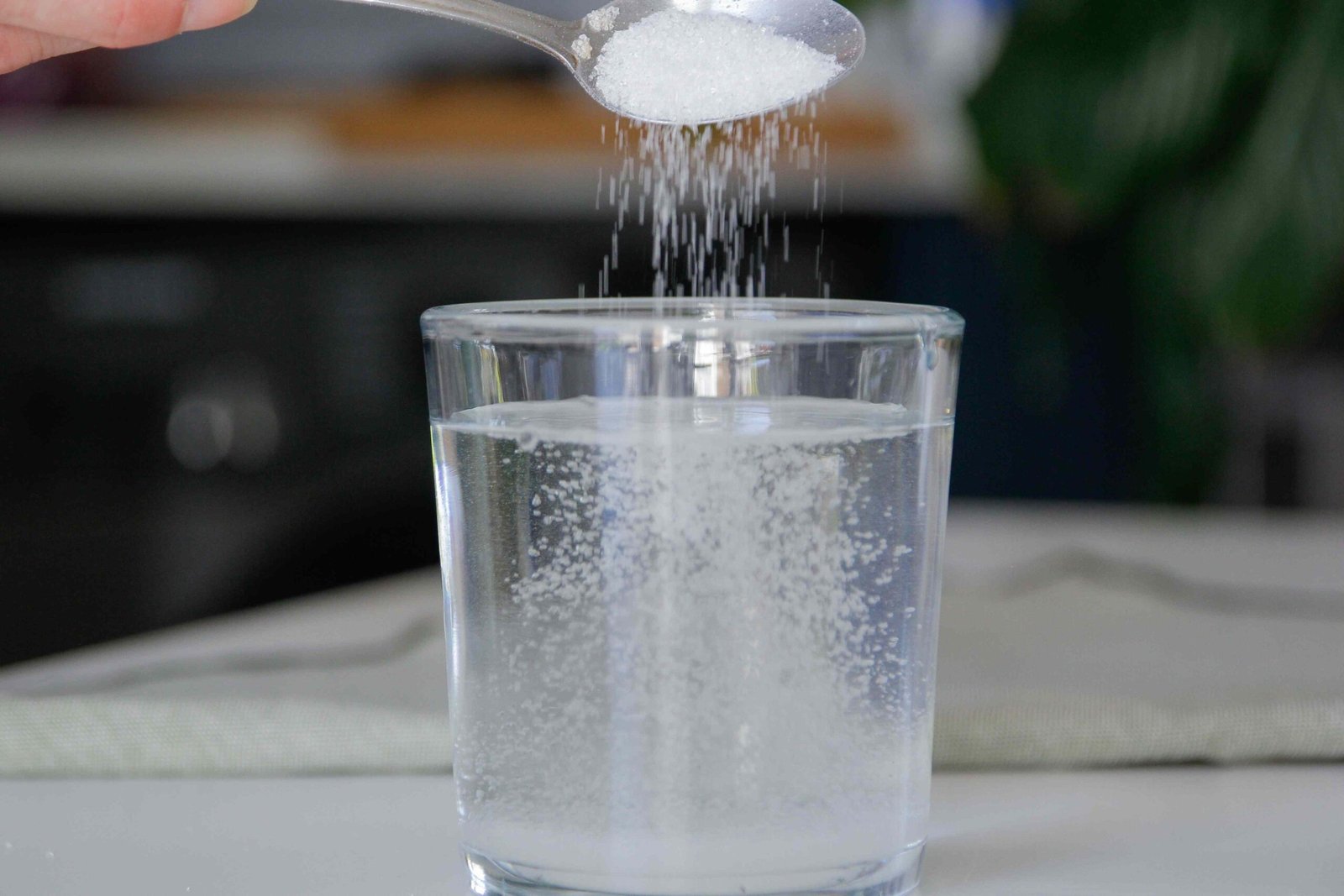
Gargling with water and a pinch of salt has long been used as a home remedy to soothe a sore throat and other minor ailments, but now drinking the mixture has become popular on social media as a morning pick-me-up, with claims that it can do everything from boosting hydration to increasing energy. While this drink may offer benefits for some people, experts say it’s unnecessary for most.
In theory, drinking a water and salt mixture could help with hydration.
Salt is an electrolyte the body needs for basic functioning, and we naturally lose some when we sweat, urinate, and cry. Drinking it with water in the morning increases the amount of sodium—the main component of salt—in your blood, which allows more water to stay in your bloodstream than it would without added salt. That’s important because maintaining adequate blood volume ensures that blood can properly transport oxygen, nutrients, waste products, hormones, and immune cells throughout the body.
But here’s the thing: “Most of us are already over-consuming sodium in our diets, so we don’t really need to be adding any more [salt],” said Roxana Ehsani, RD, CSSD, a sports dietitian. “Everyday people don’t need to add salt to [their] drinking water.”
In fact, heavy salt intake is a risk factor for high blood pressure, which can lead to heart problems such as heart attack and stroke.
That said, certain people may benefit from hopping on this trend, said Blaise Abramovitz, DO, FASN, a nephrologist with the University of Pittsburgh Medical Center Mercy Hospital. These groups include anyone who is rapidly losing both water and sodium, such as those with frequent diarrhea or the flu, pneumonia, or a urinary tract infection. Sipping water with a little salt may also benefit serious athletes or anyone sweating excessively due to heat or humidity.
A pinch of salt is most likely about 145 milligrams, which is a “very small amount,” Abramovitz said. But adding even a minuscule amount of salt to your water is still “generally not appropriate or warranted to do,” he added.
Abramovitz strongly advised certain groups to steer clear of this trend, including those with kidney disease, liver disease, high blood pressure, or other cardiac issues like heart failure. It’s also a bad idea for anyone with type 2 diabetes or those watching their salt intake, Ehsani added.
