
Close Menu
Fit and Healthy Weight

    Subscribe to Updates

    Get the latest creative news from FooBar about art, design and business.

    What's Hot

    Essential Oils for Stress Relief

    February 19, 2026

    What Happens to Your Blood Sugar When You Take Magnesium and Berberine Together

    February 18, 2026

    6 Types of Pasta That Won’t Spike Your Blood Sugar

    February 18, 2026
    Facebook X (Twitter) Instagram
    Facebook X (Twitter) Instagram
    Fit and Healthy Weight
    Thursday, February 19
    • Home
    • Diet
    • Mindset
    • Recipes
    • Reviews
    • Stories
    • Supplements
    • Tips
    • Workouts
    Fit and Healthy Weight
    Home»Diet»What Happens to Your Blood Sugar When You Take Magnesium and Berberine Together
    Diet

    What Happens to Your Blood Sugar When You Take Magnesium and Berberine Together

    By February 18, 2026No Comments3 Mins Read
    Share Facebook Twitter Pinterest LinkedIn Tumblr Reddit Telegram Email
    What Happens to Your Blood Sugar When You Take Magnesium and Berberine Together
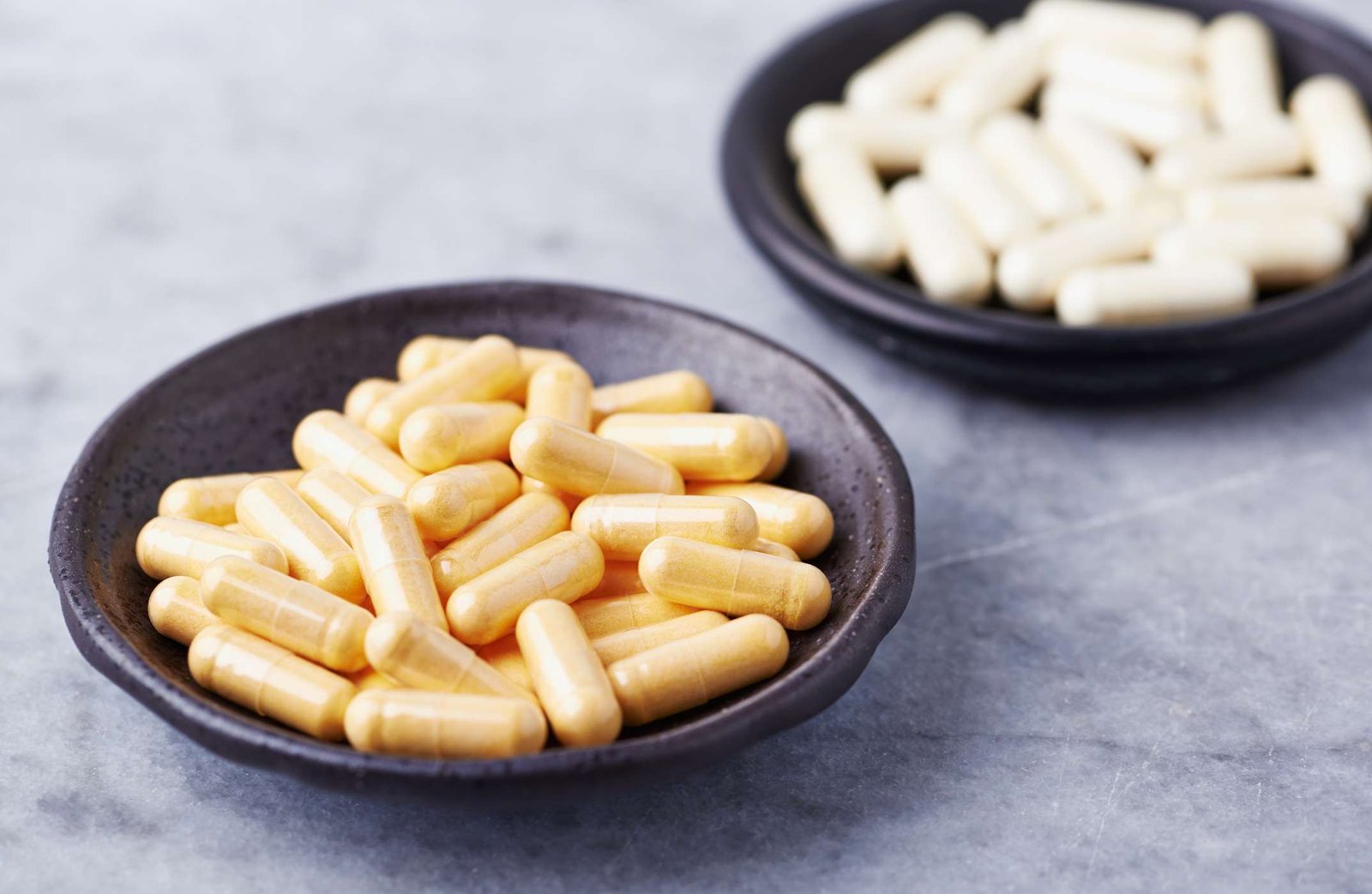
    Berberine and magnesium both affect blood sugar, although research on using them together is limited.

    Eugeniusz Dudzinski / Getty Images

    Share
    Facebook Twitter LinkedIn Pinterest Email


    Magnesium and berberine both help regulate insulin action, lowering blood sugar. Insulin is a hormone produced by the pancreas that helps your body use blood glucose (sugar). There is currently no evidence of a beneficial effect of taking these supplements together.

    Magnesium plays an important role in the way the body uses glucose (sugar) and how insulin works.

    Research has also linked low magnesium levels to unstable blood sugar levels and worse diabetes complications.

    Taking oral magnesium supplements has been reported to help restore magnesium deficiencies and reduce insulin resistance.

    In addition, patients with type 2 diabetes who took a magnesium supplement experienced reduced insulin resistance and improved blood sugar levels.

    In many studies, taking 250-300 milligrams of magnesium daily was sufficient to reduce blood sugar and improve insulin levels.

    Other studies have used doses of magnesium as high as 500 milligrams to manage blood sugar. However, it’s important to be cautious, as taking more than 350 milligrams of magnesium per day may increase the risk of magnesium toxicity.

    Berberine is a compound found in several plants, such as Oregon grape, barberry, tree turmeric, and Californian poppy.

    Studies show that patients with type 2 diabetes who took berberine had lower blood sugar, as shown by lower fasting blood glucose and HbA1c levels. Berberine has also been reported to have similar potency to a common diabetes drug in lowering blood sugar.

    Berberine lowers blood sugar and may help people with diabetes as it:

    • Raises insulin production
    • Reduces insulin resistance
    • Increases how sensitive your cells are to insulin
    • Slows down gluconeogenesis (the formation of glucose from other sources, like proteins and fats)
    • Promotes the use of glucose by the body
    • Prevents inflammation

    In many studies, the common dosage of berberine used to manage blood sugar is 900-1500 milligrams, taken up to three times daily. However, berberine is considered safe at doses of 200-1000 milligrams, administered two to three times daily.

    Combining magnesium and berberine may significantly reduce blood sugar levels, but so far, no study has compared their use for this purpose.

    Keep in mind, supplements do not replace proper medical care for diabetes. If you are diagnosed with diabetes, follow the treatment plan recommended by a healthcare provider. If you are considering supplements, check with your healthcare provider first.

    There is no known interaction between magnesium and berberine, but this does not mean that none exists. It is always important to check with your healthcare provider before combining or taking different supplements.

    Below are some individual side effects of berberine and magnesium to consider.

    Some side effects of berberine include:

    • Mild to moderate nausea
    • Bloating
    • Constipation
    • Diarrhea

    Berberine may also interact with some medications, such as statins, cancer medicines, blood sugar and blood pressure-lowering medicines, which can cause unwanted side effects.

    In addition, berberine should be avoided during pregnancy or while breastfeeding. Do not give berberine to infants as it may increase bilirubin build-up in infants, which can cause brain damage.

    Large doses of magnesium in a supplement can cause:

    • Diarrhea
    • Abdominal cramps
    • Vomiting
    • Irregular heartbeat
    • Difficulty breathing

    Magnesium may also interact with certain medications, such as antibiotics and oral bisphosphonates (alendronate or risedronate).

    Taking both magnesium and berberine supplements can cause your blood sugar to drop lower than expected, which can lead to hypoglycemia (low blood sugar). This risk is higher for people with diabetes who use other blood sugar-lowering medications or people who skip or miss meals.

    It is important to monitor your blood sugar closely when using any supplements to identify any unexpected or drastic drops.

    Berberine Blood Magnesium Sugar
    Share. Facebook Twitter Pinterest LinkedIn Tumblr Email
    Previous Article6 Types of Pasta That Won’t Spike Your Blood Sugar
    Next Article Essential Oils for Stress Relief

      Related Posts

      Tips

      6 Types of Pasta That Won’t Spike Your Blood Sugar

      February 18, 2026
      Tips

      Scientists Are Looking At Magnesium For Colon Cancer Prevention

      February 18, 2026
      Diet

      The “Forbidden Food” That Deserves a Second Look

      February 18, 2026
      Add A Comment
      Leave A Reply Cancel Reply

      Top Posts

      New Research Shows Eggs Don’t Raise Your Cholesterol—But Here’s What Does

      August 1, 20256 Views

      6 Best Weightlifting Belts of 2025, According to Trainers

      July 3, 20255 Views

      What happened when I started scoring my life every day | Chris Musser

      January 28, 20262 Views
      Stay In Touch
      • Facebook
      • YouTube
      • TikTok
      • WhatsApp
      • Twitter
      • Instagram
      Latest Reviews
      Tips

      When Is the Best Time to Eat Dinner for Your Health?

      adminJuly 1, 2025
      Diet

      This Intermittent Fasting Method Outperformed the Rest—But There’s a Catch

      adminJuly 1, 2025
      Workouts

      ‘Neckzilla’ Rubel Mosquera Qualifies for 2025 Mr. Olympia After Flex Weekend Italy Pro Win

      adminJuly 1, 2025

      Subscribe to Updates

      Get the latest tech news from FooBar about tech, design and biz.

      Most Popular

      When Is the Best Time to Eat Dinner for Your Health?

      July 1, 20250 Views

      This Intermittent Fasting Method Outperformed the Rest—But There’s a Catch

      July 1, 20250 Views

      Signs, Identification, Impact, and More

      July 1, 20250 Views
      Our Picks

      Essential Oils for Stress Relief

      February 19, 2026

      What Happens to Your Blood Sugar When You Take Magnesium and Berberine Together

      February 18, 2026

      6 Types of Pasta That Won’t Spike Your Blood Sugar

      February 18, 2026
      Recent Posts
      • Essential Oils for Stress Relief
      • What Happens to Your Blood Sugar When You Take Magnesium and Berberine Together
      • 6 Types of Pasta That Won’t Spike Your Blood Sugar
      • 5 Best Deadlift Alternatives for Strength, Muscle Growth & Lower Back Pain Relief
      • What Does a Panic Attack Feel Like?
      Facebook X (Twitter) Instagram Pinterest
      • About Us
      • Contact Us
      • Disclaimer
      • Privacy Policy
      • Terms and Conditions
      © 2025 Fit and Healthy Weight. Designed by Pro.

      Type above and press Enter to search. Press Esc to cancel.