

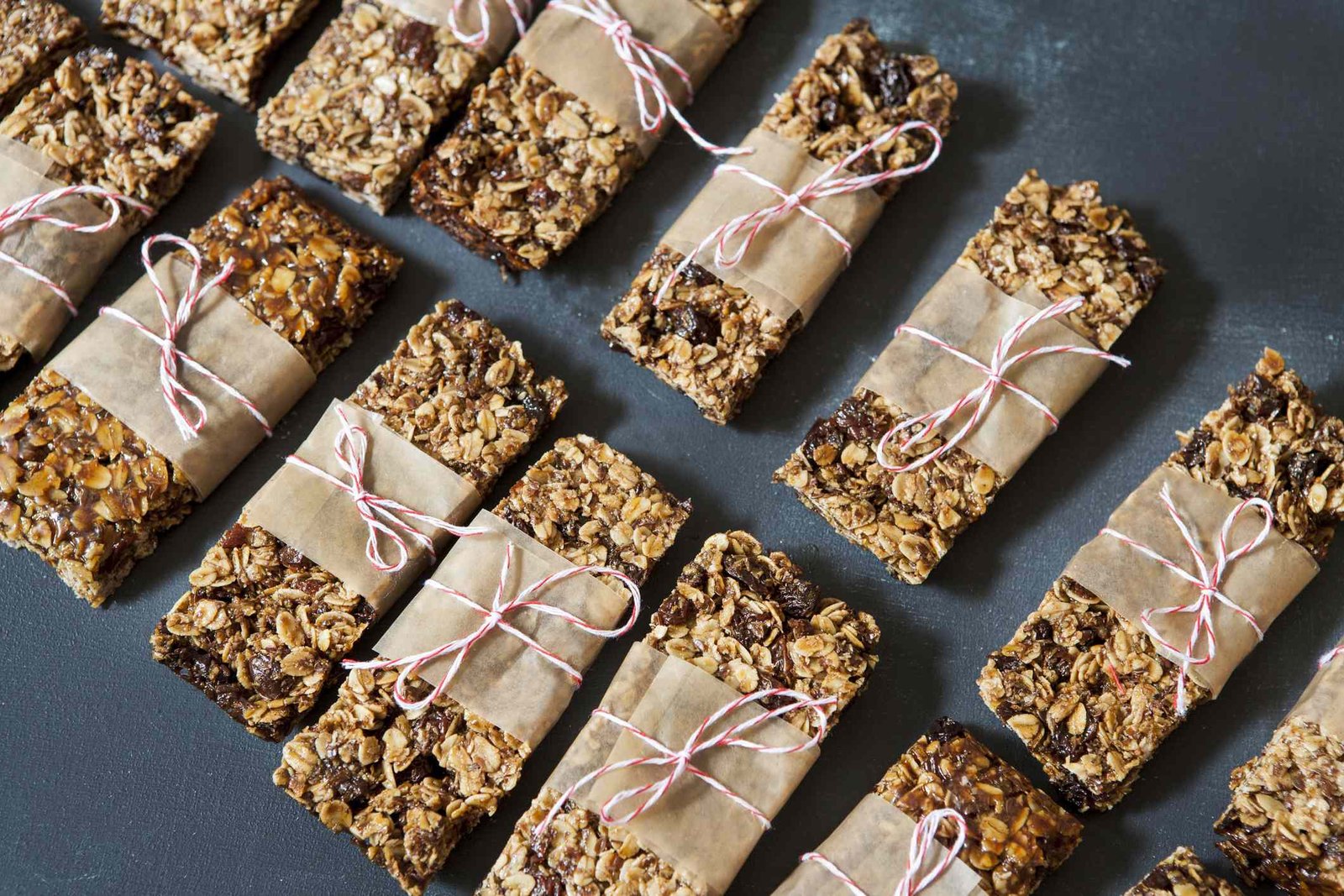
Tossing a granola bar in your bag for an on-the-go snack is convenient, but it may not keep you satisfied. Whether a bar steadies your blood sugar or triggers a spike depends on its added sugar, fiber, protein, fat, and whether you eat it on its own or with other foods.
When you eat carbohydrates, your body breaks them down into glucose, which enters the bloodstream. If blood glucose rises too high, the pancreas releases insulin to facilitate the uptake of glucose into cells, where it can be used for energy.
How quickly blood sugar rises depends largely on the type of carbohydrate. “Simple carbohydrates are made of shorter sugar molecules and are digested quickly, which means they release glucose into your bloodstream faster, often leading to a sharper rise in blood sugar,” registered dietitian Sarah Steele, MS, RDN, metabolic specialist at Signos, told Health. “Complex carbohydrates are long chains of sugars bound together with fiber and nutrients, so your body breaks them down more slowly.”
One of the main reasons some granola bars raise blood sugar more than others is the type of carbohydrate they contain.
- Simple carbohydrates include added sugars and refined flour. As Snider notes, granola bars that are high in added sugar and low in fiber or protein can affect blood sugar levels much like a candy bar.
- Complex carbohydrates include whole grains, such as rolled oats and buckwheat, as well as nuts and seeds. These ingredients are digested more slowly and generally have a gentler effect on blood glucose than refined or simple carbohydrates.
Other reasons a granola bar may spike blood sugar include:
- Low fiber content: Fiber slows digestion and helps stabilize blood sugar, which helps stabilize energy and reduce post-snack spikes, according to Steele.
- Fat and protein content: While carbs are the primary driver of blood sugar spikes, fat and protein also have an impact. Higher-fat, higher-protein foods tend to cause smaller spikes in blood glucose because these nutrients slow digestion, delaying the rate at which glucose enters the bloodstream.
- Portion size and total carbohydrate content: Larger bars or those with higher total carbohydrate content may raise blood glucose more, even if the overall ingredients appear healthy.
“Eating high-sugar granola bars frequently in isolation may lead to repeated blood sugar spikes followed by drops, which can contribute to energy crashes, increased hunger, and difficulty staying satisfied,” Allison Swiggard, MS, RDN, LD, told Health. No single food will make or break blood sugar health, but patterns over time matter most.
Research suggests that ongoing blood sugar instability is linked to prediabetes and may increase the risk of type 2 diabetes and heart disease.
Swiggard said granola bars are more likely to support steady blood sugar when:
- They contain fiber like whole grains, oats, or seeds, which slow digestion.
- They include protein and fat from nut butters, seeds, soy, dairy, or protein blends.
- They’re low in added sugar for a more gradual rise in blood sugar.
- They’re eaten with other foods that contain protein, fiber, or fat, like yogurt, nuts, or eggs.
“When reading a label, prioritize bars with at least 4 grams of fiber, at least 10 grams of protein, and at most 25 grams of total carbs,” said Steele.
Check the ingredient list for other beneficial ingredients, including:
- Whole grains such as rolled oats, buckwheat
- Nuts such as almonds, peanuts, walnuts, and cashews
- Seeds such as pumpkin, sunflower, sesame, hemp, and flax
Added Sugars Can Hide in Plain Sight
It’s not always easy to spot sugar on the ingredient list. When choosing a bar, sugar can appear under many different names, including:
- Cane sugar
- Corn syrup
- Brown rice syrup
- Honey
- Maple syrup
- Agave
Dates, commonly used to sweeten granola bars, may be less likely to raise blood sugar because they contain fiber and beneficial plant compounds. Research suggests that moderate portions of dates don’t cause large blood sugar spikes and may even support insulin sensitivity.
Non-nutritive sweeteners such as stevia, monk fruit, and allulose won’t raise blood sugar. Sugar alcohols also have a limited impact on blood sugar, but they can cause digestive side effects for some people.
Being intentional about snacks benefits everyone, but people with prediabetes, type 2 diabetes, gestational diabetes, or PCOS may need to be particularly mindful.
Individual responses to these snacks can vary widely. “Monitoring symptoms and working with a registered dietitian can be more helpful than relying on generalized ‘good vs bad’ food rules,” said Swiggard.
