

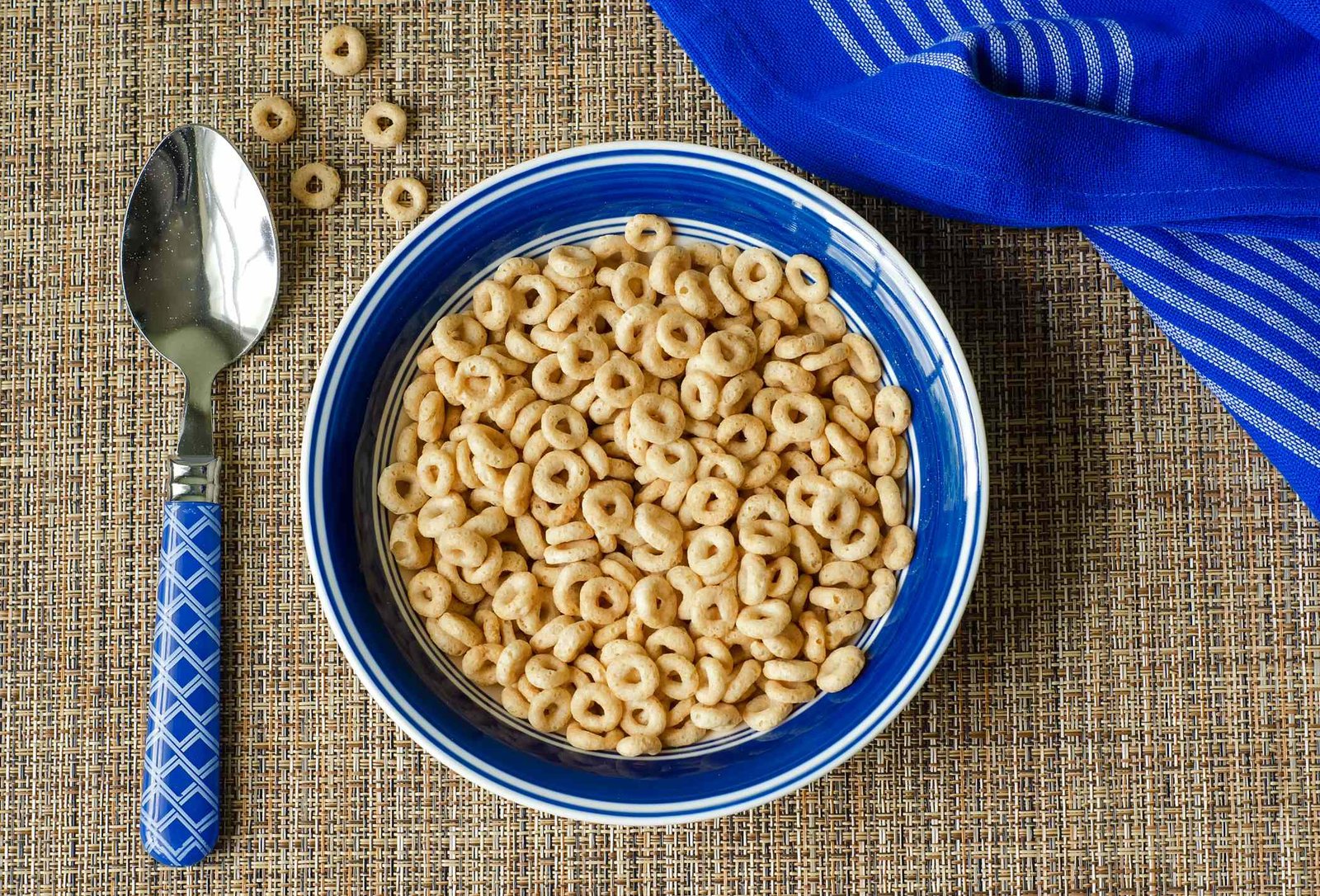
Cheerios are made from whole-grain oats and often advertised as a heart-healthy breakfast. While they contain whole grains and some fiber, portion size and what you eat them with can affect their impact on your blood sugar.
Cheerios can raise blood sugar, but how much depends on the person and how they’re eaten.
Although Cheerios are made from whole-grain oats, they’re processed into a ready-to-eat cereal, which makes them digest more quickly than intact whole grains. Cheerios are mostly carbohydrates with very little protein or fat, which means they digest quickly and can cause a faster rise in blood sugar.
When you eat carbohydrates, your body breaks them down into glucose. Foods that digest quickly tend to raise blood sugar more quickly, while foods with more fiber, protein, or fat slow the process.
A bowl of plain Cheerios with milk (which contains some protein) may cause a moderate spike in blood sugar, especially when consumed in larger portions.
Overall, Cheerios won’t affect everyone the same way, but they’re more likely to spike blood sugar than a high-fiber or high-protein breakfast.
Not everyone will have the same blood sugar response after eating Cheerios. Several factors influence how your body reacts, including:
- Portion size: It’s easy to eat more than a standard serving size of Cheerios if you aren’t measuring your food. Larger bowls increase total carbohydrate intake, which can lead to higher blood sugar levels.
- Individual metabolism: Variations in metabolism and individual response to carbohydrates all affect how your blood sugar responds after eating cereal. For example, some people have insulin resistance, which means their cells don’t respond as effectively to insulin, so glucose levels rise higher or stay elevated longer after a meal.
- Food pairing: Cheerios alone will digest quickly. Pairing them with protein- and fat-rich foods such as Greek yogurt, nuts, or seeds slows digestion and limits blood sugar spikes.
Breakfast Item
Calories
Protein (g)
Fat (g)
Carbohydrates (g)
Fiber (g)
Cheerios + low-fat milk (1 cup cereal + ½ cup low-fat milk)
157
8
3
27
3
Oatmeal (1 cup cooked in water)
166
6
4
28
4
Blueberry muffin
255
4
4
50
4
2 eggs, scrambled + whole wheat toast (1 slice)
222
16
11
15
2
Cheerios can be diabetes-friendly, but they’re rarely ideal on their own.
For people with diabetes, keep tabs on portions so you know how many carbohydrates you are eating. Monitoring individual blood sugar responses can also help you understand whether Cheerios works for you.
Eating Cheerios with other foods that contain protein, healthy fats, and additional fiber may help support a steadier blood sugar response, not just for people with diabetes, but for anyone.
If you enjoy Cheerios, small changes can make them more blood-sugar-friendly:
- Pair with protein-rich foods like Greek yogurt, eggs, nuts, or seeds
- Top with berries, chia seeds, or ground flaxseed to add more fiber
- Measure cereal instead of estimating to keep track of portion size
- Choose plain Cheerios over sweetened versions
Health.com uses only high-quality sources, including peer-reviewed studies, to support the facts within our articles. Read our editorial process to learn more about how we fact-check and keep our content accurate, reliable, and trustworthy.
Musa-Veloso K, Noori D, Venditti C, et al. A Systematic Review and Meta-Analysis of Randomized Controlled Trials on the Effects of Oats and Oat Processing on Postprandial Blood Glucose and Insulin Responses. J Nutr. 2021;151(2):341-351. doi:10.1093/jn/nxaa349
U.S. Department of Agriculture: FoodData Central. Cereals Ready-to-Eat, GENERAL MILLS, CHEERIOS
Yin J, Cheng L, Hong Y, et al. Understanding the Influence of the Digestive Characteristics of Glycemic Carbohydrates on Eating Behavior: Nutrient-Sensing Perspectives. Food Res Int. 2025;214:116582. doi:10.1016/j.foodres.2025.116582
Wolever TM, Zurbau A, Koecher K, et al. The Effect of Adding Protein to a Carbohydrate Meal on Postprandial Glucose and Insulin Responses: A Systematic Review and Meta-Analysis of Acute Controlled Feeding Trials. J Nutr. 2024;154(9):2640-2654. doi:10.1016/j.tjnut.2024.07.011
Wu Y, Ehlert B, Metwally AA, et al. Individual Variations in Glycemic Responses to Carbohydrates and Underlying Metabolic Physiology. Nat Med. 2025;31(7):2232-2243. doi:10.1038/s41591-025-03719-2
U.S. Department of Agriculture: FoodData Central. Milk, Lowfat, Fluid, 1% Milkfat, With Added Vitamin A and Vitamin D
U.S. Department of Agriculture: FoodData Central. Cereals, Oats, Regular and Quick, Unenriched, Cooked with Water (Includes Boiling and Microwaving), Without Salt.
U.S. Department of Agriculture: FoodData Central. Muffin, Blueberry, Commercially Prepared, Low-Fat
U.S. Department of Agriculture: FoodData Central. Bread, Whole Wheat, Commercially Prepared.
U.S. Department of Agriculture: FoodData Central. Eggs, Grade A, Large, Egg, Whole
