
Close Menu
Fit and Healthy Weight

    Subscribe to Updates

    Get the latest creative news from FooBar about art, design and business.

    What's Hot

    4 Chain Restaurants With the Best Grilled Liver and Onions, According to Chefs

    February 11, 2026

    Obstructive Sleep Apnea, Cognitive Health, and Mental Performance

    February 11, 2026

    The Best Time to Eat Dinner for Better Metabolism and Sleep

    February 11, 2026
    Facebook X (Twitter) Instagram
    Facebook X (Twitter) Instagram
    Fit and Healthy Weight
    Wednesday, February 11
    • Home
    • Diet
    • Mindset
    • Recipes
    • Reviews
    • Stories
    • Supplements
    • Tips
    • Workouts
    Fit and Healthy Weight
    Home»Tips»What Happens to Your Blood Pressure When You Eat Chia Seeds Regularly
    Tips

    What Happens to Your Blood Pressure When You Eat Chia Seeds Regularly

    By January 21, 2026No Comments3 Mins Read
    Share Facebook Twitter Pinterest LinkedIn Tumblr Reddit Telegram Email
    What Happens to Your Blood Pressure When You Eat Chia Seeds Regularly
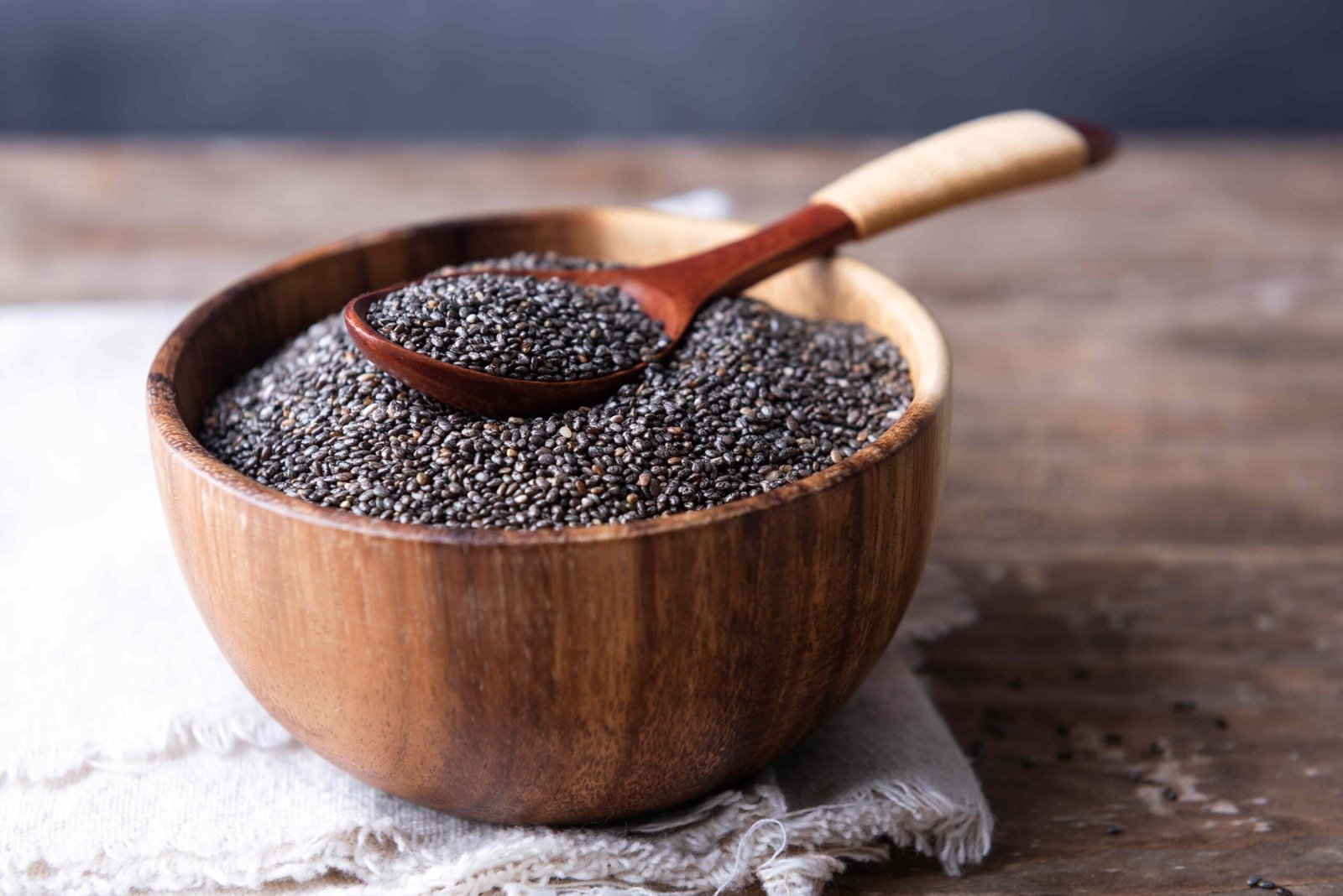
    Chia seeds are rich in omega-3s, fiber, and antioxidants.

    HUIZENG HU / Getty Images

    Share
    Facebook Twitter LinkedIn Pinterest Email


    Packed with everything from fiber to antioxidants, chia seeds are hailed as a nutrient-dense mix-in for yogurt, oatmeal, and smoothies that can support everything from digestion to blood sugar regulation. But do these tiny seeds do anything for blood pressure? Here’s what to know.

    Here’s the good news: Eating chia seeds on a regular basis may help support healthy blood pressure, according to Erin Palinski-Wade, RD, CDCES, CPT, a registered dietitian based in Sparta, New Jersey. 

    One 2025 meta-analysis found that overweight adults with diabetes or high blood pressure who consumed 2 to 4 tablespoons of chia seeds per day saw an average reduction in systolic blood pressure (the top number) of about 3 to 7 millimeters of mercury (mm Hg). “Chia seeds can make a small but significant dent in blood pressure,” said Penn Medicine cardiologist Michael Miller, MD.

    He pointed to research suggesting that even a modest reduction in systolic blood pressure—5 mm Hg—may reduce the risk of heart attack or stroke by about 10%, regardless of heart health history.

    Still, chia seeds are unlikely to lower blood pressure on their own without being part of an overall heart-healthy lifestyle, Palinski-Wade said. Without regular exercise or with an otherwise poor diet, for example, their impact is likely to be limited.

    What’s more, there isn’t enough evidence to know whether chia seeds can lower blood pressure enough to prevent the need for blood pressure medication, Maddie Pasquariello, MS, RD, a registered dietitian from Brooklyn, New York, told Health. “While diet can help slow the progression of certain adverse long-term health issues or even reverse them, it’s always best to consult your doctor for guidance around medication,” she said. “More often, both are necessary.” 

    Several compounds likely contribute to chia seeds’ potential blood pressure benefits. The seeds are a good source of omega-3 fatty acids, a type of polyunsaturated fat that can reduce inflammation in blood vessels and reduce the growth of plaque, and may reduce hardening of the arteries.

    Chia seeds also contain peptides and minerals such as potassium and magnesium, which may help relax blood vessels and improve blood flow, said Amy Bragagnini, MS, RD, CSO, a registered dietitian and spokesperson for the Academy of Nutrition and Dietetics.

    In addition, chia seeds are rich in antioxidants, which can help protect blood vessels from damage caused by free radicals.

    Research suggests that several factors might influence chia seeds’ ability to promote healthy blood pressure:

    • Health history: In the meta-analysis mentioned above, researchers evaluated the effects of chia seed intake among people with hypertension, type 2 diabetes, and those who were overweight or obese. “This means that greater benefits may be seen in those populations versus a completely healthy population,” Pasquariello said. 
    • Preparation: Some evidence suggests that ground chia may offer the best nutrient absorption, but very little research has been done on soaked chia seeds, the form most people eat, said Pasquariello.
    • Amount: Most studies suggest a daily dose of 2 to 3 tablespoons of chia seeds for blood pressure benefits, Cara Harbstreet, MS, RD, LD, a registered dietitian from Kansas City, Missouri, told Health. “After about eight to 12 weeks, you could expect to see results,” she said, adding that consistency is critical. Still, smaller or less consistent amounts of chia seeds can support an overall healthy, balanced diet, Harbstreet added.

    Because chia seeds are high in fiber, Pasquariello recommended starting with a small amount, such as a teaspoon or less per day, before gradually increasing intake. She also advised consulting a doctor if you have existing digestive issues or sensitivities before adding chia seeds to your routine.

    Blood Chia Eat Pressure Regularly Seeds
    Share. Facebook Twitter Pinterest LinkedIn Tumblr Email
    Previous ArticleMixing Up Your Workouts Might Be the Secret to Longevity
    Next Article How Solbasium Put Red-Light Recovery on the Sidelines of the NFL

      Related Posts

      Tips

      Obstructive Sleep Apnea, Cognitive Health, and Mental Performance

      February 11, 2026
      Stories

      The Best Time to Eat Dinner for Better Metabolism and Sleep

      February 11, 2026
      Tips

      Is Chronic Spontaneous Urticaria (CSU) an Autoimmune Disease?

      February 11, 2026
      Add A Comment
      Leave A Reply Cancel Reply

      Top Posts

      New Research Shows Eggs Don’t Raise Your Cholesterol—But Here’s What Does

      August 1, 20256 Views

      6 Best Weightlifting Belts of 2025, According to Trainers

      July 3, 20255 Views

      What happened when I started scoring my life every day | Chris Musser

      January 28, 20262 Views
      Stay In Touch
      • Facebook
      • YouTube
      • TikTok
      • WhatsApp
      • Twitter
      • Instagram
      Latest Reviews
      Tips

      When Is the Best Time to Eat Dinner for Your Health?

      adminJuly 1, 2025
      Diet

      This Intermittent Fasting Method Outperformed the Rest—But There’s a Catch

      adminJuly 1, 2025
      Workouts

      ‘Neckzilla’ Rubel Mosquera Qualifies for 2025 Mr. Olympia After Flex Weekend Italy Pro Win

      adminJuly 1, 2025

      Subscribe to Updates

      Get the latest tech news from FooBar about tech, design and biz.

      Most Popular

      When Is the Best Time to Eat Dinner for Your Health?

      July 1, 20250 Views

      This Intermittent Fasting Method Outperformed the Rest—But There’s a Catch

      July 1, 20250 Views

      Signs, Identification, Impact, and More

      July 1, 20250 Views
      Our Picks

      4 Chain Restaurants With the Best Grilled Liver and Onions, According to Chefs

      February 11, 2026

      Obstructive Sleep Apnea, Cognitive Health, and Mental Performance

      February 11, 2026

      The Best Time to Eat Dinner for Better Metabolism and Sleep

      February 11, 2026
      Recent Posts
      • 4 Chain Restaurants With the Best Grilled Liver and Onions, According to Chefs
      • Obstructive Sleep Apnea, Cognitive Health, and Mental Performance
      • The Best Time to Eat Dinner for Better Metabolism and Sleep
      • 5 Foods To Boost Your Skin Health—Without Taking Collagen Powder
      • Andrew Jacked Focuses On Building Massive Lats & Shoulders for the 2026 Arnold Classic
      Facebook X (Twitter) Instagram Pinterest
      • About Us
      • Contact Us
      • Disclaimer
      • Privacy Policy
      • Terms and Conditions
      © 2025 Fit and Healthy Weight. Designed by Pro.

      Type above and press Enter to search. Press Esc to cancel.