

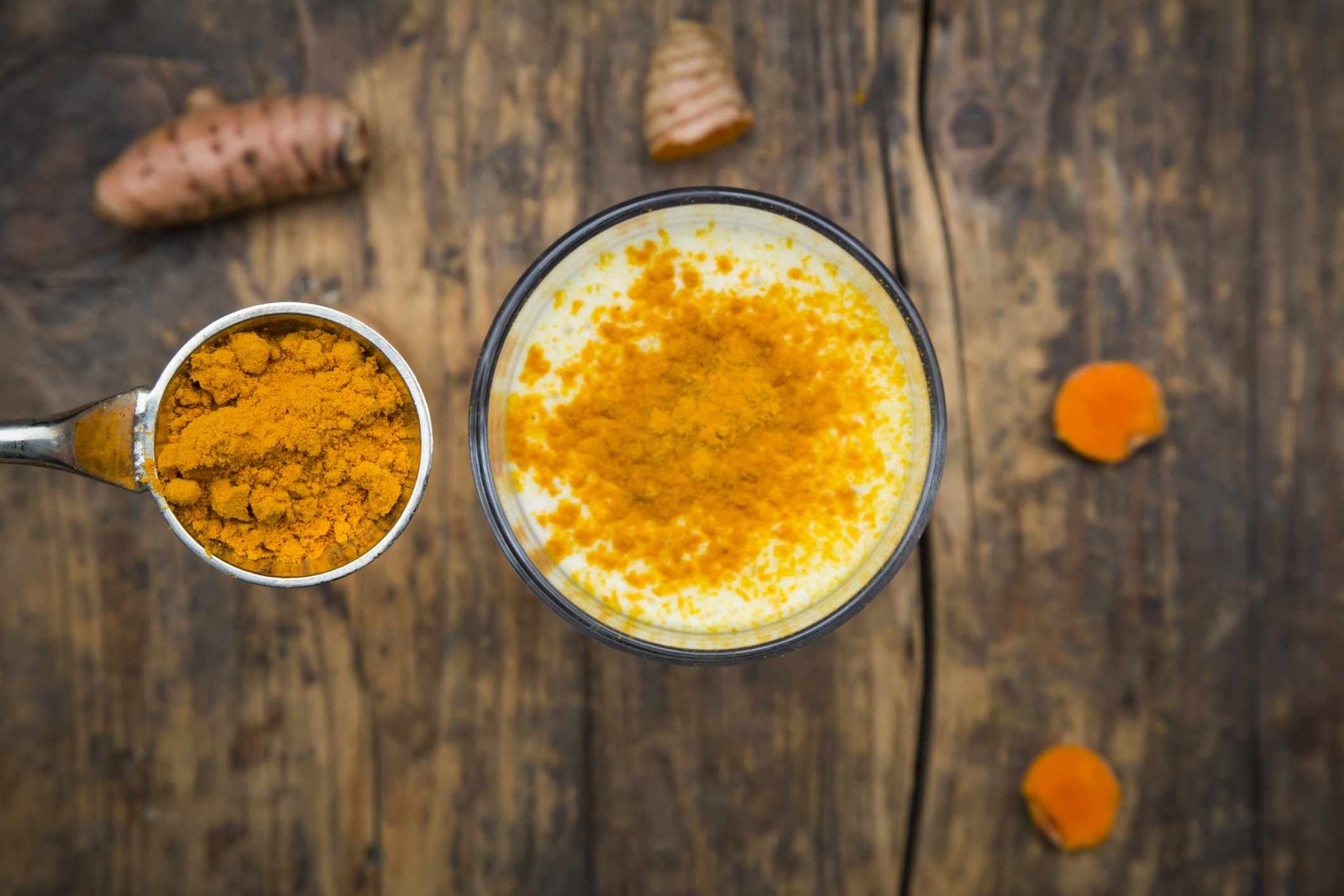
Several studies suggest that adding turmeric, or its active compound curcumin, to your diet might help lower your blood pressure.
However, most of the research involves taking curcumin supplements (a practice that may not be advisable for everyone) rather than simply adding it to your diet.
Here is what you need to know about turmeric’s ability to impact blood pressure, how it might work, and who could benefit.
While turmeric may slightly lower blood pressure, it doesn’t affect blood pressure directly. Instead, it functions as an anti-inflammatory agent and is widely used in functional medicine to reduce the risk of cardiovascular diseases, according to Aaron Hartman, MD, a triple board-certified physician, functional medicine specialist, and author.
“There is strong literature supporting its ability to lower cardiovascular disease risk,” said Hartman. “[For instance,] inflammatory markers like CRP [c-reactive protein] are directly related to cardiovascular risk, and turmeric effectively helps address these markers.”
There are also a few instances in which turmeric may be helpful in lowering blood pressure for people with type 2 diabetes with elevated risk of cardiovascular disease, according to Alexa Mieses Malchuk, MD, a board-certified family physician at Geisinger. However, more research is needed in this area.
Case Studies: Human Trials
Overall, the research on turmeric’s blood pressure benefits is mixed. Some meta-analyses have shown mild improvement, while others have found no impact at all.
Most experts say more research is needed before turmeric can become a recommended treatment option.
Here is what researchers have discovered so far:
- Several studies have shown modest improvements in blood pressure. For example, one study found turmeric reduced diastolic blood pressure by 0.76 millimeters of mercury (mmHg).
- Other studies have found a slight drop in systolic blood pressure of about 1.09 mmHg after eight weeks of taking supplements.
- Research may suggest that people with fatty liver disease may benefit from turmeric supplementation. Those who took 3,000 milligrams of turmeric daily for 12 weeks experienced a slight improvement in systolic blood pressure.
- Research has shown that women who took turmeric for over 12 weeks saw small drops in both systolic and diastolic blood pressure. Their systolic pressure decreased by 1.55 mmHg, and their diastolic pressure decreased by 1.73 mmHg.
- One analysis found that while turmeric doesn’t significantly lower systolic or diastolic blood pressure, some people do experience a slight drop in systolic blood pressure of 1.24 mm Hg after 12 weeks of taking supplements.
According to Elliot Hirshorn, DC, DACNB, a functional medicine expert and author, chronic inflammation contributes to the development of hypertension. Researchers have found that curcumin—the primary compound found in turmeric—has potent anti-inflammatory properties that can help regulate blood pressure by relaxing blood vessels. This, in turn, helps reduce blood pressure somewhat.
“Thickening and stiffening of arterial walls over time due to oxidative stress and inflammation can cause increased blood pressure,” said Hirshorn. “Curcumin has anti-fibrotic properties that can help prevent and even reverse some of this fibrosis.”
Curcumin can also enhance your body’s ability to dilate blood vessels, which in turn will reduce blood pressure. “As a powerful antioxidant, it can reduce damage to the innermost layers of blood vessels,” Hirshorn added.
While the benefits of consistently taking a turmeric supplement for eight to 12 weeks are modest at best, cooking with the spice has some benefits, unless you are allergic to it. Anyone looking to improve longevity and decrease inflammation can benefit from incorporating turmeric into their diet.
“There’s compelling data from Indian populations that show a correlation between turmeric consumption and decreased Alzheimer’s disease risk,” said Hartman.
If you have mild hypertension or oxidative stress and inflammation, talk to a healthcare provider before including a turmeric supplement in your regimen. “People with mild hypertension who are looking for alternative strategies to prevent and reverse [elevated blood pressure] would be a good candidate for this approach,” said Hirshorn.
If you have moderate to severe hypertension with an increased cardiovascular risk, you should consider standard of care medications, he said. Then, talk to a healthcare provider about whether using turmeric as a complementary treatment option is right for you.
The safest way to take turmeric is by including it in your diet through cooking and seasoning, though you may need to combine it with black pepper and healthy fats to improve its absorption. However, to achieve medicinal doses, one to three tablespoons daily is required, according to Hartman—which might be excessive for most Americans.
As for supplements, standard dosing starts around 500 to 1,000 milligrams a day. However, the Food and Drug Administration deems it safe in doses of 4,000 to 8,000 milligrams a day, Grant Fowler, MD, the chair of Family Medicine at Burnett School of Medicine at Texas Christian University, told Health. “But [it may not be safe] for people taking blood thinners, about to have surgery, pregnant or lactating, who have gallbladder disease, and for those patients undergoing chemotherapy,” he added.
Check with your healthcare provider before starting to take a supplement.
According to Hartman, the biggest precaution regarding turmeric is its impact on the liver. “Liver specialists in some regions report that up to one-third of liver transplant [needs] may be related to supplement interactions affecting liver function.”
Look for quality products and be mindful of contamination risks. “Many market products, if not properly processed, can be contaminated with heavy metals and other chemicals,” Hartman said.
Always obtain the certificate of analysis for any product and check the chain of custody to verify the source and confirm there are no contaminants. You may also want to ensure the product is third-party tested.
Here are some potential drug interactions and precautions to be aware of, according to Hirshorn:
- Curcumin sometimes acts as a blood thinner, so it may cause bruising or bleeding.
- It can cause a significant decrease in blood pressure if taken with blood pressure medications.
- Be mindful of its impact on blood sugar because it could cause a drop in blood sugar.
- Use caution if you are on immunosuppressants because they can enhance immune function.
- Ask a healthcare provider before taking it if you are receiving chemotherapy.
- Be aware that curcumin supplements can cause stomach upset and kidney stones.
- Always consult a healthcare provider first before taking any supplement.
Turmeric, or curcumin to be exact, has a mild impact on blood pressure by relaxing blood vessels and decreasing inflammation. However, more research is needed to determine just how effective it is as a complementary treatment for blood pressure.
Turmeric may be harmful to some people, particularly those prone to kidney stones or those taking immunosuppressants, and it may interact with some medications. If you are considering taking curcumin supplements, talk to a healthcare provider first.
