

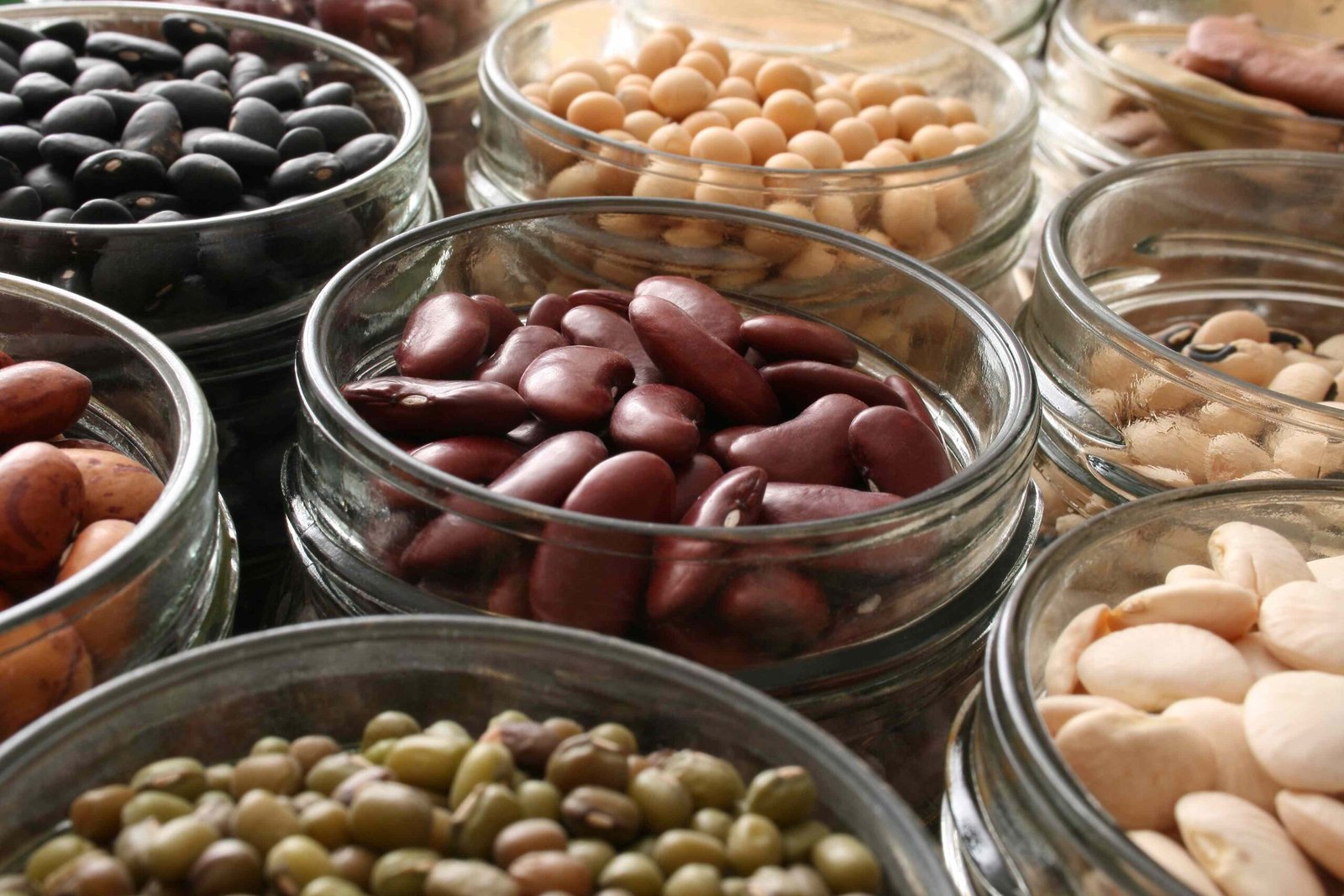
Beans are a diet staple. They’re high in fiber, a great source of protein, and have tons of vitamins and minerals—all things that can support cardiovascular and gut health, reduce your risk of disease, and even help fight inflammation. Here’s what you can expect if you eat beans regularly.
Studies have found that eating one cup of beans daily can reduce your risk of cardiovascular disease (conditions affecting your heart and blood vessels). Cardiovascular conditions include coronary heart disease, stroke, and heart attack.
One of the main contributors to cardiovascular disease is consuming a lot of saturated fats. Beans contain less saturated fats than other protein sources, like red meat.
Consuming an excess of saturated fat in your diet can increase your chances of developing heart disease. Eating beans can reduce inflammation that can lead to cardiovascular diseases.
Beans can also lower cholesterol levels. Studies have found that eating two-thirds of a cup of beans daily can lower low-density lipoprotein (LDL) cholesterol, also known as bad cholesterol, that travels through your body. Nutrients like potassium and the plant saponin in beans help keep your cholesterol and blood pressure low. Saponin is commonly found in other legumes and helps your body process cholesterol efficiently.
Fiber in beans has many benefits, including lowering your cholesterol.
Beans are an incredible source of fiber. Fiber in beans and other legumes can prevent constipation and promote regular bowel movements. Getting enough fiber helps keep your digestive system balanced, whether that means needing to process foods better or slowing down the overprocessing of foods. Soluble fiber in beans can help you to manage diarrhea by slowing digestion when needed.
Beans contain resistant starch that ferments in the large intestine and resists accelerated digestion in the small intestine. The resistant starch in beans helps beneficial gut bacteria and fatty acids grow in the colon. While supporting your digestive health, the benefits to your gut bacteria also support your overall gut health.
Protein, fiber, and resistant starch content in beans help with blood sugar control. These nutrients slow the absorption of sugars in the blood. Beans have a low glycemic index, meaning they have little effect on raising blood sugar levels.
Beans are also high in magnesium. This mineral plays a vital role in blood sugar regulation and lowering your risk of type 2 diabetes. One study found that eating one cup of beans daily improved blood sugar control over two to three months. For people with diabetes, beans can be a protein-rich part of a diabetes-friendly diet.
Beans are a sustainable plant-based protein source for vegans and vegetarians. They can also help you consume the amount of iron you need. Each half-cup serving of beans has around 2 milligrams (mg) of iron, 11% of the Daily Value (DV).
Being iron deficient can cause several symptoms, including fatigue, discomfort in the gastrointestinal tract, and problems with concentration. Iron helps your body make hemoglobin, a protein that carries oxygen from your lungs to the rest of your body. You can also absorb more vitamins by pairing beans with peppers, broccoli, and potatoes.
There are tons of different beans out there—black beans, pinto beans, lima beans, garbanzo beans—and they’re full of different micronutrients like potassium, folate, and selenium.
The nutrition profile of one-half cup of canned black beans includes:
- Calories: 109
- Fat: 0.3g
- Sodium: 165mg, or 7% of the DV
- Carbohydrates: 20g
- Fiber: 8g, or 30% of the DV
- Added sugars: 0g
- Protein: 7g
- Iron: 2.3mg, or 11% of the DV
- Magnesium: 42mg, or 10% of the DV
- Folate: 73 micrograms (mcg), or 18% of the DV
You can enjoy frozen, canned, or dried beans. Canned beans are usually more available, but they have a higher sodium content than dried beans. You can still rinse canned beans to enjoy beans with less sodium.
Most beans are high in oligosaccharides, making them a high-FODMAP food. FODMAPs—fermentable oligosaccharides, disaccharides, monosaccharides, and polyols—are carbohydrates that are not absorbed well in your small intestine.
Beans may cause gastrointestinal (GI) symptoms like bloating and gas in people with irritable bowel syndrome (IBS). However, due to the high amount of oligosaccharides and fiber, beans can also cause gastrointestinal symptoms for people without IBS.
Canned beans, or ones that have been soaked or boiled and drained, may have a lower oligosaccharide content, making them more tolerable for people with IBS. If you feel intense discomfort after eating beans, consider eating less beans or consulting a healthcare provider.
The Dietary Guidelines for Americans recommend consuming one and a half cups of beans, peas, and lentils per week.
Here are some ways to add more beans to your diet:
- Make rice and beans.
- Eat bean-based burgers.
- Create bean and cheese quesadillas.
- Enjoy black bean soup.
- Roast chickpeas with olive oil and spices of your choice.
- Use beans as a protein source in salads and grain bowls.
- Spread beans as a paste on crackers.
- Try bean-based pasta.
