

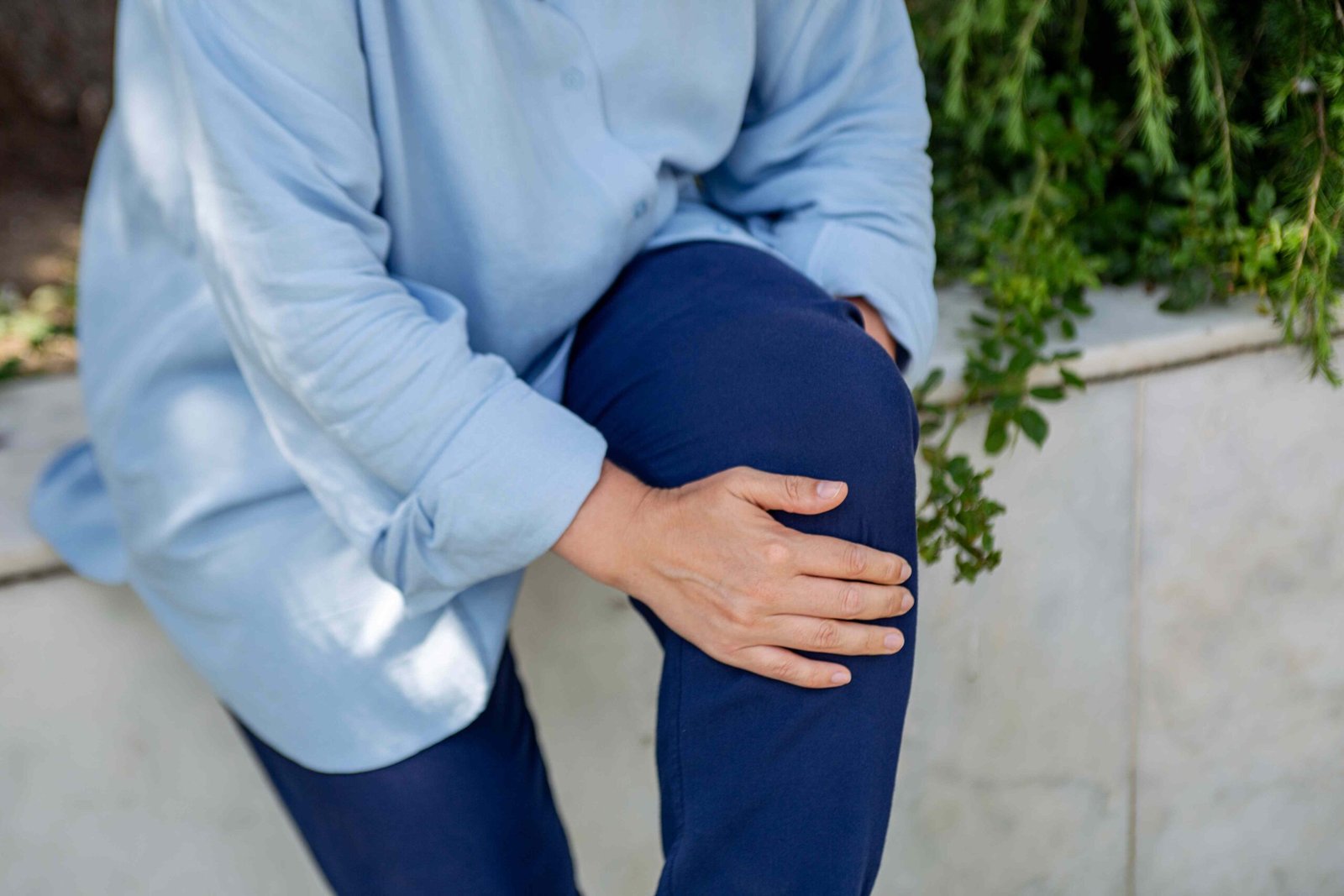
Osteoarthritis is a joint disease that causes joint tissue to break down over time. While aging and joint wear are major contributors to osteoarthritis, its development involves more than just natural joint wear and tear. Although researchers aren’t sure exactly what causes osteoarthritis, evidence suggests a combination of joint overuse, inflammation, and genetics plays a role in its development.
Joint overuse, or mechanical overload, occurs when excessive or repetitive stress damages the structures within a joint. The following can contribute to mechanical overload:
- Prolonged or repetitive stress: Heavy lifting, frequent kneeling, or participating in high-impact sports can strain the joint structures over time and increase the risk of osteoarthritis.
- Acute joint injuries: A torn ligament or cartilage damage from a fall or sports accident can change the joint’s alignment, creating uneven pressure that speeds up wear and tear.
- Joint misalignment: If your joints are out of alignment, maybe due to flat feet, you can experience joint overuse. Misalignment can lead to uneven body weight distribution, causing certain areas of the joint’s structures to wear out faster.
- Excess body weight: Carrying extra body weight can place added stress on weight-bearing joints like the hips and knees, leading to cartilage breakdown and osteoarthritis.
Everyday activities like walking, climbing stairs, or running usually don’t harm healthy joints because cartilage cushions the ends of bones to reduce friction during movement while ligaments and muscles provide stability and control joint motion.
Joint inflammation is a key part of osteoarthritis. The inflammation can damage the joint’s cartilage and other structures and lead to symptoms like morning stiffness, swelling, and pain. But inflammation isn’t just a response to joint damage that’s already happened—it might contribute to the development of osteoarthritis in the first place.
How inflammation leads to osteoarthritis: Injuries or natural wear-and-tear in the joint can trigger an inflammatory response in the body. In response to injury or overuse, the immune system releases inflammatory chemicals to the joint’s tissues to promote healing. In some cases, this immune repair process may become overactive, leading to chronic, low-level inflammation that breaks down cartilage, weakens surrounding tissues, and alters the underlying bone structure of the joint.
Inflammation throughout the body can contribute: Inflammation associated with osteoarthritis development isn’t just limited to the joints; it can involve the whole body. Conditions like obesity can trigger chronic, low-grade systemic (bodywide) inflammation, which may make joints more prone to developing osteoarthritis. Fat tissue produces inflammatory substances that circulate in the blood and may contribute to joint damage over time.
Osteoarthritis is not a hereditary condition passed down through families. However, genetics plays a role in the development of osteoarthritis. Having a family member with osteoarthritis can increase your risk of developing the condition. Some evidence suggests that people with a parent or sibling who has osteoarthritis may be up to three times more likely to develop the disease compared to those without a family history.
Genes that play a role: Researchers have identified several genes that may contribute to osteoarthritis risk. Mutations (changes) in genes involved in cartilage repair and bone development, such as the GDF5 gene, can weaken joint structures, making them more vulnerable to wear and tear. Variants in genes responsible for producing collagen, a protein in cartilage, can impair the joint’s ability to withstand mechanical stress, increasing the risk of osteoarthritis.
Osteoarthritis is the most common form of arthritis, affecting an estimated 33 million adults in the United States. Some people are more likely to develop osteoarthritis than others.
- Age: While someone of any age can develop osteoarthritis, the risk increases as you get older. Osteoarthritis is most common in people aged 45 or over.
- Sex: Osteoarthritis is much more common in women than men, especially after menopause.
- Ethnicity: Osteoarthritis affects people of all ethnic backgrounds but is most common in non-Hispanic whites. Despite lower rates of osteoarthritis, research shows Black people with osteoarthritis experience more severe pain and faster disease progression compared to whites.
Several factors can increase the risk of developing osteoarthritis, including the following:
- Older age: As we age, joint tissues produce less cartilage and lose some of their ability to repair damage effectively. These age-related changes can weaken joint structures, making older adults more vulnerable to osteoarthritis.
- Previous joint injuries: A previous joint injury, such as a bone fracture, ligament tear, or cartilage damage, can increase the risk of developing osteoarthritis in the affected joint. Damage to the joint, chronic low-grade inflammation from improper healing, and abnormal joint alignment can contribute to cartilage breakdown and lead to osteoarthritis. Previous injuries are among the leading causes of osteoarthritis in younger adults.
- Obesity: Excess body weight is a leading risk factor for osteoarthritis, especially in weight-bearing joints like the knees and hips. It can stress the joints, accelerating cartilage breakdown. Fat tissue also contributes to systemic inflammation, increasing the risk of osteoarthritis.
- Lifestyle: Certain activities and occupations that involve repetitive joint use or high-impact movements can increase the risk of osteoarthritis. Athletes and people who frequently kneel or lift heavy objects are more prone to developing osteoarthritis.
- Genetics: Having a family history of osteoarthritis can increase your risk. Certain genes that influence cartilage structure and bone and cartilage repair mechanisms can increase the risk of osteoarthritis.
- Other joint conditions: Certain joint conditions, such as rheumatoid arthritis (RA) and gout, can increase the risk of developing osteoarthritis.
Osteoarthritis is a degenerative joint disease where joint tissue breaks down over time. Although experts aren’t sure exactly what causes osteoarthritis, evidence suggests that a combination of joint overuse, inflammation, and genetics plays a role in its development.
Osteoarthritis can affect people of all ages and backgrounds, but certain groups are at higher risk for osteoarthritis, including older adults, women (especially those who’ve gone through postmenopause), and those with a family history of the disease. Risk factors like obesity, previous joint injuries, repetitive movements from work or sports, and underlying medical conditions also contribute to the likelihood of developing osteoarthritis.
