
Close Menu
Fit and Healthy Weight

    Subscribe to Updates

    Get the latest creative news from FooBar about art, design and business.

    What's Hot

    What’s the Best Time to Eat Protein?

    February 13, 2026

    New Dietary Guidelines Praise Whole Foods, But Can More Meat Raise Cancer Risk?

    February 13, 2026

    This Everyday Blood Sugar Pattern Is Linked To 69% Higher Alzheimer's Risk

    February 13, 2026
    Facebook X (Twitter) Instagram
    Facebook X (Twitter) Instagram
    Fit and Healthy Weight
    Friday, February 13
    • Home
    • Diet
    • Mindset
    • Recipes
    • Reviews
    • Stories
    • Supplements
    • Tips
    • Workouts
    Fit and Healthy Weight
    Home»Diet»What Can Happen to Your Teeth If You Get Too Much Fluoride
    Diet

    What Can Happen to Your Teeth If You Get Too Much Fluoride

    By December 26, 2025No Comments3 Mins Read
    Share Facebook Twitter Pinterest LinkedIn Tumblr Reddit Telegram Email
    What Can Happen to Your Teeth If You Get Too Much Fluoride
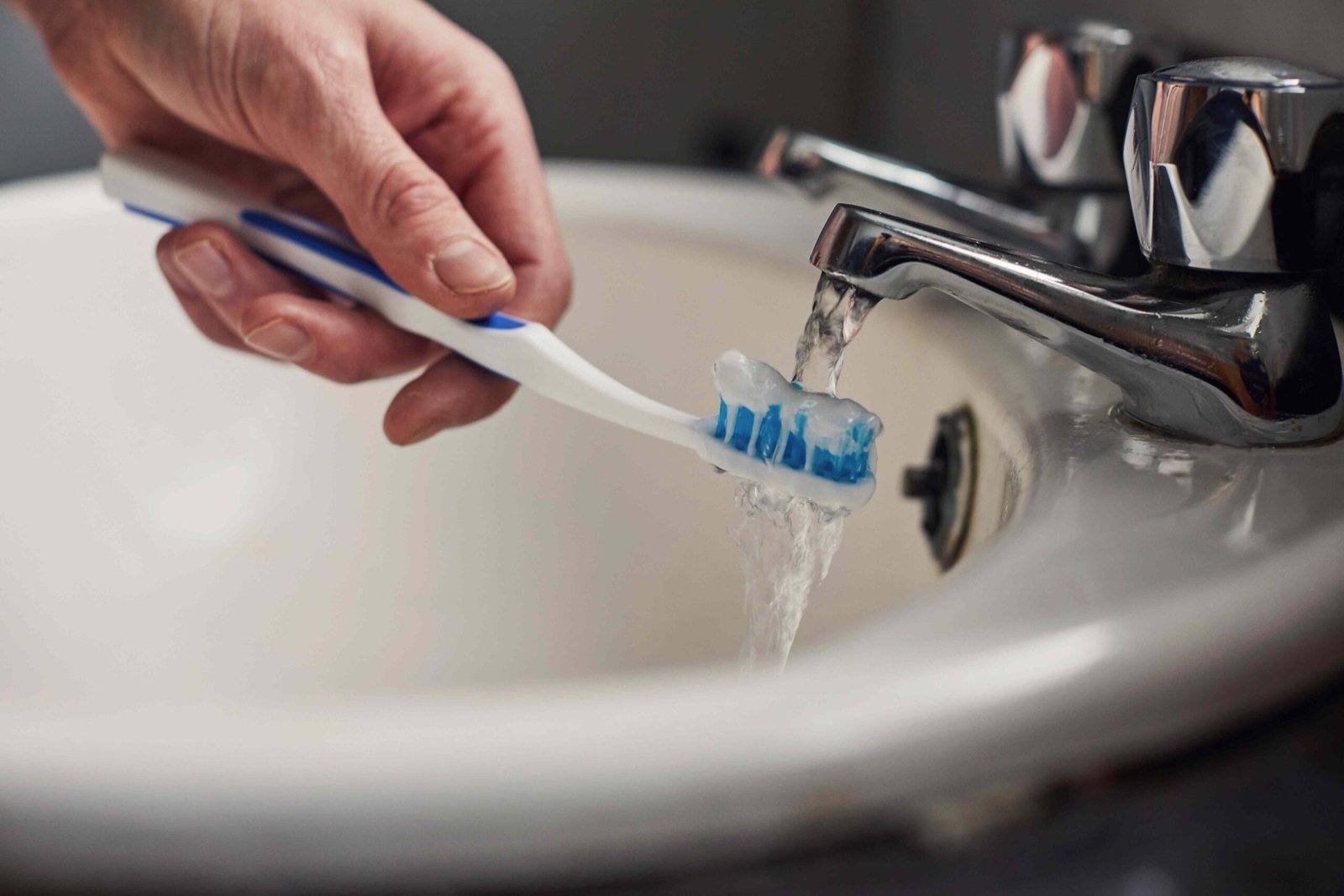
    Fluoride is safe and beneficial in regulated amounts, but may cause issues at higher levels.

    Sally Anscombe / Getty Images

    Share
    Facebook Twitter LinkedIn Pinterest Email


    In large amounts, fluoride can be toxic. Because of this risk and small studies implying certain health effects, fluoride use has recently become controversial.

    This can occur with accidental ingestion of large amounts. Fluoride poisoning causes digestive symptoms such as nausea, vomiting, diarrhea, and abdominal pain.

    Rarely, fluoride poisoning progresses to more severe symptoms, affecting your heartbeat and breathing. It can lead to coma or death, but lethal doses are very high at 70-140 milligrams (mg) per kilogram (kg) of bodyweight, which is nearly impossible to reach with the amounts in tap water or toothpaste.

    Children exposed to more fluoride than they need when their adult teeth are forming can develop fluorosis. This cosmetic issue causes teeth to become brown or discolored. It affects about 23% of the U.S. population.

    With skeletal fluorosis, excess fluoride (over 1.5 parts per million—up to three times over safe limits) weakens bones, which can lead to damage and joint problems.

    There’s a broad agreement that fluoride, as it occurs in most tap water and toothpaste, is safe to drink or brush with. 

    Health authorities and professional dental organizations worldwide advocate for fluoride in water systems and toothpastes. Major proponents include:

    • Centers for Disease Control and Prevention (CDC): The CDC has recommended community fluoridation since 2001.
    • American Dental Association (ADA): This is the leading professional association of dentists in the U.S. The ADA recommends community fluoridation and its use in dental products.
    • World Health Organization (WHO): A leading global health authority, the WHO supports community fluoride initiatives, while acknowledging the potential risks of overexposure.
    • FDI World Dental Federation: The FDI World Dental Federation, an international organization of dentists and dental authorities, supports fluoride in community water and dental products.

    While harmful effects may be possible with ongoing exposure to high levels of fluoride, the levels that people are exposed to in dental products and tap water typically don’t pose risks. And added fluoride offers individual and public health benefits.

    In the U.S., fluoride has been added to community water supplies since 1945. In 1991, the CDC declared it one of the 10 greatest public health achievements of the 20th century. This is because fluoride in toothpaste and water strengthens tooth enamel and prevents decay.

    The CDC’s Community Health Prevention Task Force found that adding fluoride to municipal water led to 15% fewer cavities. Reviewing data from 96 studies, researchers concluded that users of fluoride toothpaste had fewer cavities on average.

    When you don’t get enough fluoride, you’re at higher risk of tooth decay and cavities, which require dental treatment. This can lead to:

    • Tooth pain: As enamel erodes and the nerves inside your tooth are exposed, you may experience pain and sensitivity to hot or cold.
    • Visible pits: Over time, cavities can form into visible pits and holes.
    • Infection: If untreated, cavities can become infected. This can cause a tooth abscess, or a painful pocket of fluid around the tooth root.  
    • Tooth loss: Tooth decay can damage the structure of the tooth, and untreated cavities are a leading cause of tooth loss.
    Fluoride Happen Teeth
    Share. Facebook Twitter Pinterest LinkedIn Tumblr Email
    Previous ArticleThe #1 High-Protein Snack for Better Heart Health
    Next Article 5 Daily Exercises That Smooth and Tone Legs After 50

      Related Posts

      Diet

      What Happens to Your Blood Sugar When You Take Omega-3 Supplements?

      February 13, 2026
      Diet

      8 Foods With the Most Protein Per 100-Calorie Serving

      February 13, 2026
      Diet

      8 Foods That Can Satisfy Sugar Cravings Better Than Candy

      February 13, 2026
      Add A Comment
      Leave A Reply Cancel Reply

      Top Posts

      New Research Shows Eggs Don’t Raise Your Cholesterol—But Here’s What Does

      August 1, 20256 Views

      6 Best Weightlifting Belts of 2025, According to Trainers

      July 3, 20255 Views

      What happened when I started scoring my life every day | Chris Musser

      January 28, 20262 Views
      Stay In Touch
      • Facebook
      • YouTube
      • TikTok
      • WhatsApp
      • Twitter
      • Instagram
      Latest Reviews
      Tips

      When Is the Best Time to Eat Dinner for Your Health?

      adminJuly 1, 2025
      Diet

      This Intermittent Fasting Method Outperformed the Rest—But There’s a Catch

      adminJuly 1, 2025
      Workouts

      ‘Neckzilla’ Rubel Mosquera Qualifies for 2025 Mr. Olympia After Flex Weekend Italy Pro Win

      adminJuly 1, 2025

      Subscribe to Updates

      Get the latest tech news from FooBar about tech, design and biz.

      Most Popular

      When Is the Best Time to Eat Dinner for Your Health?

      July 1, 20250 Views

      This Intermittent Fasting Method Outperformed the Rest—But There’s a Catch

      July 1, 20250 Views

      Signs, Identification, Impact, and More

      July 1, 20250 Views
      Our Picks

      What’s the Best Time to Eat Protein?

      February 13, 2026

      New Dietary Guidelines Praise Whole Foods, But Can More Meat Raise Cancer Risk?

      February 13, 2026

      This Everyday Blood Sugar Pattern Is Linked To 69% Higher Alzheimer's Risk

      February 13, 2026
      Recent Posts
      • What’s the Best Time to Eat Protein?
      • New Dietary Guidelines Praise Whole Foods, But Can More Meat Raise Cancer Risk?
      • This Everyday Blood Sugar Pattern Is Linked To 69% Higher Alzheimer's Risk
      • What to Do If You’re Married and Lonely
      • Interested In Colostrum? Here’s How To Take It For Maximum Benefits
      Facebook X (Twitter) Instagram Pinterest
      • About Us
      • Contact Us
      • Disclaimer
      • Privacy Policy
      • Terms and Conditions
      © 2025 Fit and Healthy Weight. Designed by Pro.

      Type above and press Enter to search. Press Esc to cancel.