
Close Menu
Fit and Healthy Weight

    Subscribe to Updates

    Get the latest creative news from FooBar about art, design and business.

    What's Hot

    The Best Time to Eat Dinner for Better Metabolism and Sleep

    February 11, 2026

    5 Foods To Boost Your Skin Health—Without Taking Collagen Powder

    February 11, 2026

    Andrew Jacked Focuses On Building Massive Lats & Shoulders for the 2026 Arnold Classic

    February 11, 2026
    Facebook X (Twitter) Instagram
    Facebook X (Twitter) Instagram
    Fit and Healthy Weight
    Wednesday, February 11
    • Home
    • Diet
    • Mindset
    • Recipes
    • Reviews
    • Stories
    • Supplements
    • Tips
    • Workouts
    Fit and Healthy Weight
    Home»Tips»What Are the Benefits and Risks?
    Tips

    What Are the Benefits and Risks?

    By February 5, 2026No Comments3 Mins Read
    Share Facebook Twitter Pinterest LinkedIn Tumblr Reddit Telegram Email
    Is Moderate Drinking Good or Bad for You?
    Share
    Facebook Twitter LinkedIn Pinterest Email


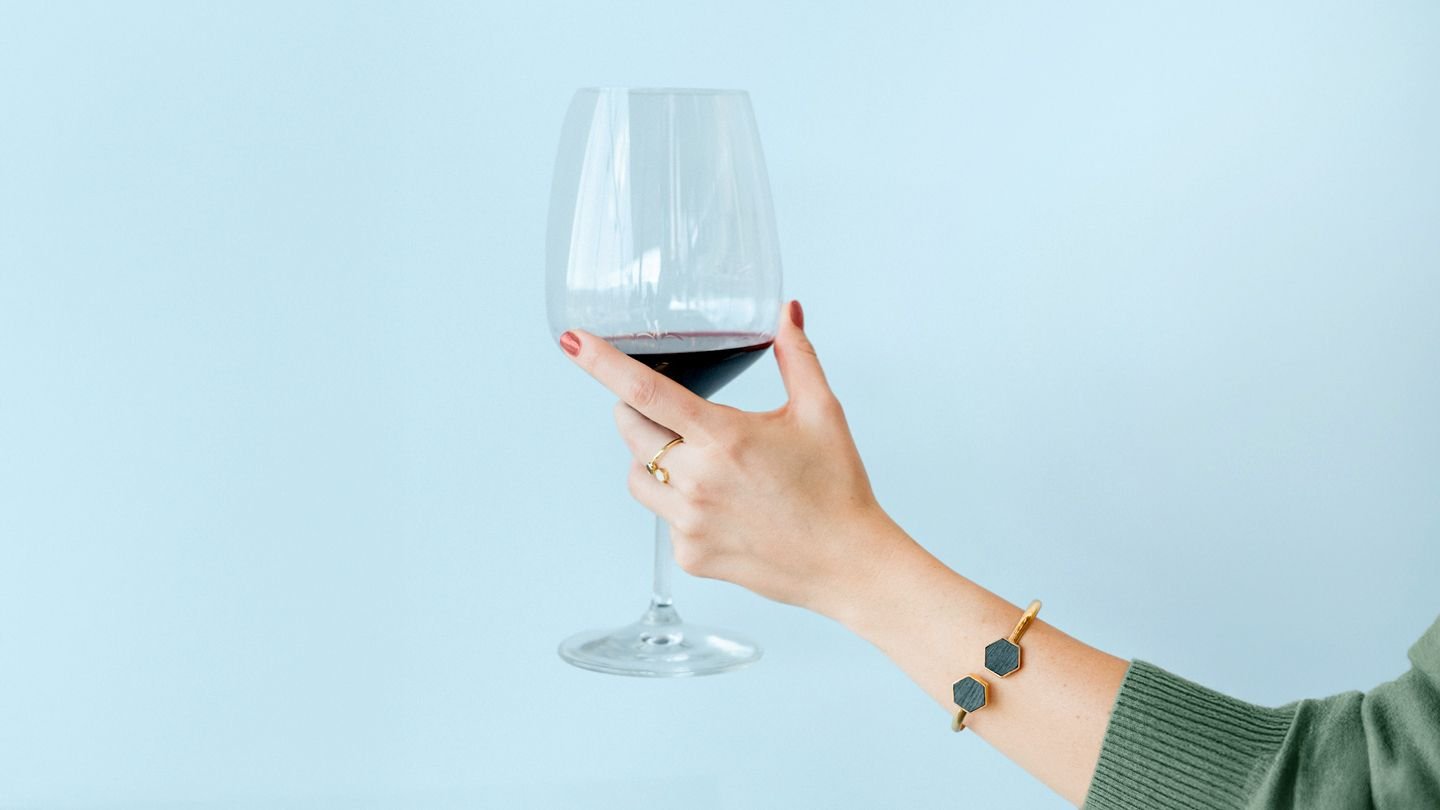
    For years, scientists widely believed that moderate drinking — especially of red wine — offered protection against heart disease. That view was shaped by observational studies suggesting that people who drank lightly had lower rates of heart attacks and other cardiovascular issues than those who didn’t drink at all.

    [3]

    “In hindsight, there was probably too much confidence that red wine was beneficial for the heart, but the pendulum has now swung too far in the other direction, where moderate alcohol use is often assumed to be harmful despite the available evidence,” says Marcus.

    “Uncertainty remains about the true cardiovascular risk of drinking lightly such as one to two drinks a day,” according to the authors of the AHA scientific statement.

    The available evidence suggests that drinking in moderation may either have no effect or reduce the risk of type 2 diabetes, heart attack, stroke, and sudden death, says Marcus.

    [4]

    The National Academies echoed that conclusion, based on research studies published between 2010 and 2024, which found moderate drinking is tied to a lower risk of cardiovascular death, says Dr. Calonge.

    [5]

    Alcohol can make blood less likely to clot, which might reduce the risk of heart attacks and some types of stroke, but that same effect can increase the risk of dangerous bleeding, he says.

    A study that looked at the drinking habits of thousands of people enrolled in the Mass General Brigham Biobank found that people who had one to 14 drinks a week were less likely to have a heart attack or stroke than those who had less than one drink a week.

    [6]

    Researchers believe moderate drinkers may have had lower heart risks because of brain changes — specifically reductions in stress signaling. However, because of alcohol’s overall impact on the health, the authors did not recommend drinking as a preventative strategy against heart attack and stroke.

    Alcohol may also lower blood sugar, which could help explain why some studies have linked light drinking (sometimes defined as less than one drink a week for women, and less than seven a week for men) to lower diabetes risk. In excess, however, those same mechanisms contribute to liver damage, metabolic disruption, and cardiovascular harm.

    [7]

    Because of these tradeoffs — and because heavy drinking is clearly harmful — the American Heart Association doesn’t recommend people start drinking if they don’t currently do so. If you do drink, stay within the recommended limits.

    [8]

    Red Wine and Resveratrol

    Some basic science research has suggested that certain components of red wine might be beneficial, says Marcus. In particular, antioxidants called polyphenols, including resveratrol, have been studied for their potential to raise “good” HDL cholesterol, protect blood vessels, and reduce blood clotting.

    But research on resveratrol has produced mixed results, with some studies suggesting possible anti-inflammatory or cardiovascular benefits and others finding no clear protection against heart disease. Importantly, many foods such as grapes, grape juice, berries, and peanuts also contain resveratrol, raising the question of whether alcohol is necessary to get the potential benefits.

    [3]

    Benefits Risks
    Share. Facebook Twitter Pinterest LinkedIn Tumblr Email
    Previous ArticleA Missing Link Between The Brain & Heart Attacks, Study Finds
    Next Article How Tony Romo Keeps Himself ‘Aligned And Healthy’ After Retiring From NFL

      Related Posts

      Tips

      Is Chronic Spontaneous Urticaria (CSU) an Autoimmune Disease?

      February 11, 2026
      Tips

      The Best Time To Eat Chia Seeds for Maximum Fiber Benefits

      February 11, 2026
      Tips

      New Targeted Therapies for IgA Nephropathy: Key Insights

      February 11, 2026
      Add A Comment
      Leave A Reply Cancel Reply

      Top Posts

      New Research Shows Eggs Don’t Raise Your Cholesterol—But Here’s What Does

      August 1, 20256 Views

      6 Best Weightlifting Belts of 2025, According to Trainers

      July 3, 20255 Views

      What happened when I started scoring my life every day | Chris Musser

      January 28, 20262 Views
      Stay In Touch
      • Facebook
      • YouTube
      • TikTok
      • WhatsApp
      • Twitter
      • Instagram
      Latest Reviews
      Tips

      When Is the Best Time to Eat Dinner for Your Health?

      adminJuly 1, 2025
      Diet

      This Intermittent Fasting Method Outperformed the Rest—But There’s a Catch

      adminJuly 1, 2025
      Workouts

      ‘Neckzilla’ Rubel Mosquera Qualifies for 2025 Mr. Olympia After Flex Weekend Italy Pro Win

      adminJuly 1, 2025

      Subscribe to Updates

      Get the latest tech news from FooBar about tech, design and biz.

      Most Popular

      When Is the Best Time to Eat Dinner for Your Health?

      July 1, 20250 Views

      This Intermittent Fasting Method Outperformed the Rest—But There’s a Catch

      July 1, 20250 Views

      Signs, Identification, Impact, and More

      July 1, 20250 Views
      Our Picks

      The Best Time to Eat Dinner for Better Metabolism and Sleep

      February 11, 2026

      5 Foods To Boost Your Skin Health—Without Taking Collagen Powder

      February 11, 2026

      Andrew Jacked Focuses On Building Massive Lats & Shoulders for the 2026 Arnold Classic

      February 11, 2026
      Recent Posts
      • The Best Time to Eat Dinner for Better Metabolism and Sleep
      • 5 Foods To Boost Your Skin Health—Without Taking Collagen Powder
      • Andrew Jacked Focuses On Building Massive Lats & Shoulders for the 2026 Arnold Classic
      • 5 Top Exercise Mistakes to Avoid, According to a Sports Medicine Specialist
      • Is Chronic Spontaneous Urticaria (CSU) an Autoimmune Disease?
      Facebook X (Twitter) Instagram Pinterest
      • About Us
      • Contact Us
      • Disclaimer
      • Privacy Policy
      • Terms and Conditions
      © 2025 Fit and Healthy Weight. Designed by Pro.

      Type above and press Enter to search. Press Esc to cancel.