

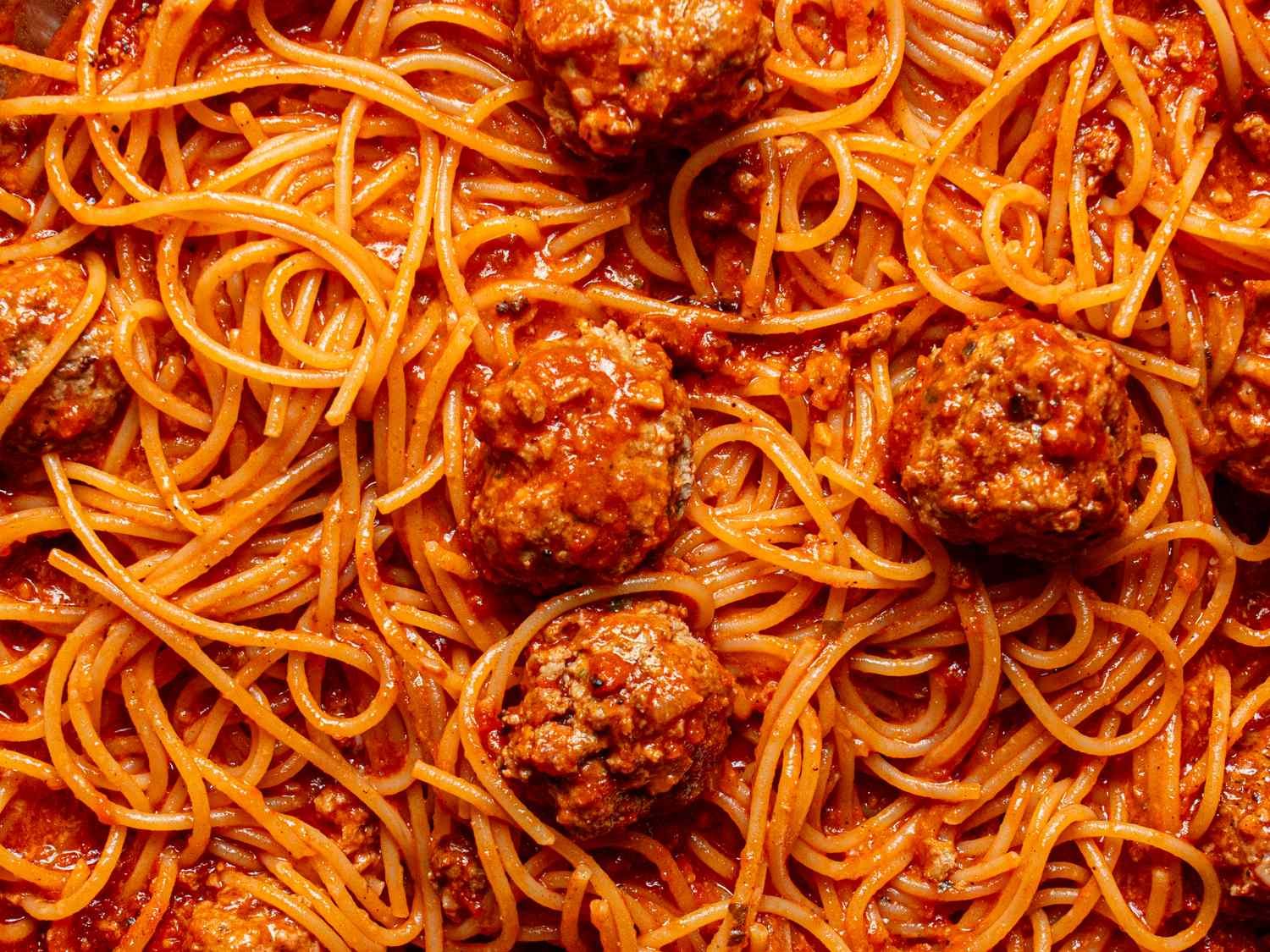
Adding oil to pasta water is one of those kitchen habits that just won’t die. But it won’t stop sticking and only sets you up for slippery, sauce-repelling noodles. Here’s why it doesn’t work, and the smarter move every cook should make.
Every time I see someone pour a glug of olive oil into a pot of boiling pasta water, I cringe. So many home cooks still make this move. But I’m here to attempt to set the record straight. Not only is it a waste of good oil, but it can actually make your pasta worse.
The myth that adding oil to pasta water keeps the noodles from sticking together has been around for decades (and continues to spark debates on Reddit). At Serious Eats, we’ve debunked this myth before, burying it among our many rules for cooking better pasta. However, it needs to be said loud and clear again: Stop adding oil to your pasta water.
Serious Eats / Vicky Wasik
Why Adding Oil to Pasta Water Doesn’t Work
The logic behind adding oil to pasta water sounds simple enough: Coat the noodles while they cook, and they won’t stick. But oil and water don’t mix. (There’s a reason “like oil and water” is a saying for things that don’t get along.) Any oil you pour into pasta water floats on top in a thin slick, never dispersing through the pot. The pasta sits well below that surface layer for most of its cooking time, so the oil never even touches the noodles. You might see it shimmering on the surface, but it’s not doing anything to prevent sticking.
What actually causes sticking has nothing to do with a lack of oil. As pasta cooks, its surface starches swell and gelatinize in the first couple of minutes. If the noodles aren’t agitated, those sticky starches bond together and form clumps. The real solution is to stir the pot. A few good swirls early on will help your pasta separate and cook evenly. That’s it. No oil required.
And if you’re worried about boil-overs, oil won’t save you there either. Fat doesn’t reduce the foam that creeps up the sides of your pot. A bigger pot and a gentler flame are smarter, cheaper, and more effective fixes. (The same is true for preventing oatmeal boil-overs, by the way.)
Why It’s Actually Harmful to Add Oil to Pasta Water
Adding oil to the water doesn’t just waste your good olive oil. Because it floats to the top, it only comes into contact with the pasta at the very end, when you drain the pot. That quick encounter is enough to coat the noodles in a thin, slippery film. And that’s where the real damage can happen. Slippery pasta will prevent the sauce from coating each strand.
Pasta and sauce cling together because of the starches released into the cooking water and left on the noodles. Oil, being hydrophobic, creates a barrier between the pasta’s surface and the sauce. That thin coating means most sauces, whether tomato ragù, cream-based, or even pesto, have a harder time adhering. This results in the sauce sliding right off and pooling at the bottom of the bowl instead of coating every bite.
Some people take the myth one step further by drizzling oil over their pasta after it has been drained. This, too, is a mistake if you’re planning to sauce immediately. It’s the fastest way to cause the pasta and sauce to stay separate, which is the exact opposite of what you want. We usually recommend transferring the pasta straight into the pan of sauce and letting it simmer together for a minute or two. That brief time cooking in the sauce helps the noodles absorb flavor and makes the sauce cling the way it should.
When Oil Does Make Sense
Now, this doesn’t mean olive oil has no place in your pasta routine. Used strategically, it’s great. A drizzle after draining can keep pasta from clumping if you’re holding it for a buffet or prepping noodles ahead of time to be sauced later.
It’s also essential in one-pot pasta methods, where you cook the noodles in just enough water (or broth) to absorb fully, without draining. In that scenario, the pasta releases starch directly into the cooking liquid. A bit of oil mixed in with that starchy liquid helps turn it into a cohesive sauce, binding everything together and coating the pasta evenly.
There’s also the technique of toasting dried pasta in oil before boiling it, common in Mexican and Spanish fideos, as well as Middle Eastern reshteh—in all of these dishes, the oil is not used to prevent sticking but rather to build flavor. The oil helps the pasta brown, adding nutty depth before the liquid is added.
The Rule That Matters Most
So for the love of pasta, stop oiling your water. It doesn’t prevent sticking, it doesn’t stop boil-overs, and it definitely doesn’t make anything taste better. All it really does is guarantee your sauce will slide right off, leaving you with sad, slippery noodles. Please. I’m begging you. Don’t do it.
Stirring is the true hero here. Stir in the first couple of minutes. Use a large pot with plenty of water and add salt generously to season the pasta deep inside, transforming it from bland starch to something delicious before sauce enters the picture.
So keep your olive oil for dressing, frying, and even drizzling on pasta after it’s been sauced. Just don’t waste it on the boiling pot. That old trick is one myth best left behind.
