

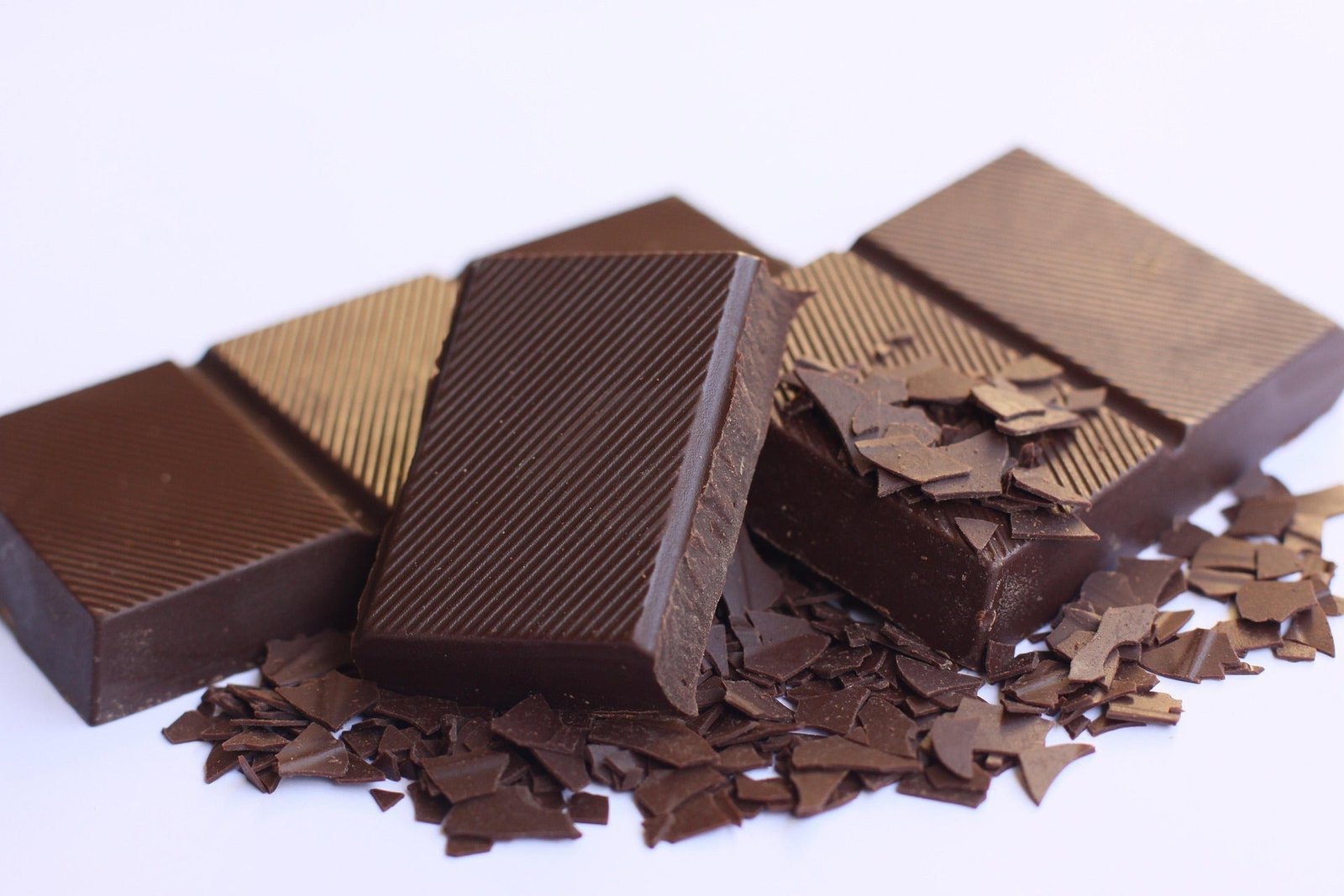
We’ve been told for many years that chocolate is bad for you, and we’ve treated it like poison. I avoided it for many years, and I’m sure many of you did as well. We don’t have any chocolate recipes on our website, and we have many carob alternatives for chocolate. Even our “almost chocolate” protein powder is made without chocolate.
Our founder, George Malkmus, consistently warned against it, saying that “caffeine-like” effects could disrupt the body’s balance.
And there were reasons to be cautious.
But the longer we go, the more we learn. As someone once said, “too soon old, too late smart.” Modern nutrition science has uncovered the benefits of cocoa, a plant extract rich in compounds that support health.
Cocoa is not the same as conventional chocolate, which is basically just a sugar-and-fat delivery system. Cocoa is a plant extract, whereas milk chocolate is completely different. It’s an adulterated form of something that actually could be good for you.
Not All “Chocolate” Is Created Equal
Just because conventional chocolate contains a little cocoa doesn’t make it healthy. Milk chocolate is not in the same category as dark chocolate bars with 70%+ cocoa.
It’s like comparing orange soda and a fresh orange. Or “strawberry” filling in Pop-Tarts with fresh strawberries. Or blueberry muffins from a gas station with flecks of something like a blueberry and fresh blueberries. Comparing milk chocolate with dark chocolate is just like these ridiculous comparisons.
Think of it as a spectrum:
At the low end is milk chocolate. There’s a small amount of cocoa, but it has way more sugar, caramel, and fillings than it does cocoa. It’s a hint of cocoa flavor, really.
This is what most people picture when they hear chocolate. And this is bad for you. It deserves its bad reputation.
In the middle of the spectrum are semi-sweet chocolate chips. They do have some added sugar, but not nearly as much as candy bars. They’re still heavily sweetened and processed.
At the high end of the spectrum is dark chocolate with 70-85% cacao. Cacao nibs, which are just roasted, crushed cacao beans, are at the very top of the spectrum. So is natural non-alkalized cocoa powder. These are like extracts from actual plants. They don’t put sugar in those. This high-end cocoa powder is intriguing and highly beneficial for health.
One important note for vegans: most true dark chocolate at 70-85% doesn’t have added dairy ingredients. It may be cross-contaminated by machinery, though unlikely, but it doesn’t have dairy products added intentionally.
The Original Objection: Theobromine
There were a couple of objections to chocolate. The main one was theobromine that George Malkmus said was bad for you.
Cocoa naturally contains two stimulants: theobromine (the primary one) and some caffeine.
For sensitive individuals, chocolate can genuinely affect:
- Sleep quality (especially if eaten in the evening)
- Anxiety or jittery feelings
- Heart palpitations
- Acid reflux or GERD symptoms
These effects are real for sensitive individuals.
But what are the actual amounts?
According to USDA data, dark chocolate (60–69% cacao) contains roughly 24 mg of caffeine per ounce. So a 10- to 15-gram serving of dark chocolate might contain 12 to 15 milligrams of caffeine.
That’s significantly less than coffee (an 8-oz cup typically has 80–100 mg), but it’s not zero. Theobromine content rises as the cacao percentage increases, and while its effects are generally milder than those of caffeine or energy drinks, it’s still a stimulant.
So if you’re sensitive to stimulants and you can’t handle caffeine at night, the timing of eating chocolate matters to you. A square of dark chocolate at 3 p.m. would probably be fine. But three squares at 9 p.m. might keep you up, unable to sleep, wondering what happened. It just depends on your own sensitivity.
The New Evidence: Cocoa Flavanols Are Gold
Here’s why people are taking another look at cocoa.
Nutritional science has shown that flavanols, a type of polyphenol, appear to support vascular and endothelial health. Systematic reviews and controlled trials have shown that cocoa flavanols can improve markers like blood pressure and endothelial function.
The improvements aren’t huge, but they are consistent enough that the effect does look real. And they’re certainly not detrimental to your health.
The FDA has even allowed a qualified health claim for high-flavanol cocoa powder to reduce cardiovascular risk. It usually takes quite a bit of data to qualify for one of these health claims.
It doesn’t mean it’s a superfood, but it does mean there’s actually some valid data supporting cocoa powder’s role in reducing cardiovascular risk.
Why Dark Chocolate Fits Better in a Plant-Based Diet
Does dark chocolate fit in a healthy plant-based diet?
If you’re following a whole food plant-based diet or the Hallelujah Diet, you probably don’t need chocolate. Your baseline inflammation is really low, and your nutrient intake is really high—you avoid junk like refined sugar products and junk food. Chocolate, even “healthy” dark chocolate, is not likely to reduce your risk of cardiovascular disease anymore because it’s already near zero. But the research shows that dark chocolate has a positive effect.
So, as a treat, it’s a beneficial food extract, not something that takes away from what you’re trying to accomplish with your diet. Dark chocolate does fit into a healthy plant-based diet.
Avoid “Special Dark” Cocoa Powder
Not all dark chocolate is the same. There is a “Special Dark” cocoa powder that is Dutch-processed; it’s made to be less acidic. But this treatment, while it reduces acidity and bitterness, also substantially reduces flavanol content.
So don’t go for the “Special Dark” cocoa powder. Just use natural, unalkalized cocoa powder.
You can’t just grab any cocoa product and expect to get those beneficial flavanols. Processing matters. A lot.
Heavy Metals In Your Dark Chocolate?
We live in a contaminated world with heavy metals in the soil. It’s just a fact of life, and we have to be aware of contaminated foods in our diet. Cocoa is not an exception here.
Multiple analyses—including consumer testing by independent groups—have found lead and cadmium in many cocoa products, sometimes at concerning levels.
Cacao plants absorb these heavy metals from the soil. It’s not something the manufacturers are adding to it; it’s just something pulled up from the soil itself. So it’s best to find cocoa that’s grown in uncontaminated soil.
Here are some steps you can take to minimize exposure to contaminated cocoa:
- Don’t eat too much dark chocolate. Maybe 5 to 20 grams a day is plenty, not a whole bar.
- Don’t always eat the same brands, just in case the one you like has a lot of heavy metals.
- Look for testing. Some high-quality brands will publish third-party heavy metal testing results.
- Pregnant women, nursing mothers, and young children should be more conservative with their chocolate intake.
So… How Much Should You Actually Eat?
So, how much is a good amount to eat? If you’re already very healthy, 5 to 10 grams of dark chocolate (about 1 or 2 small squares) or 1 teaspoon of natural cocoa powder is a good amount. Some people recommend 10 to 20 grams a day.
If you tolerate it well and eat a very clean diet, but it seems to disrupt your sleep or cause headaches, or you always eat 10 squares instead of 2 when you get started, you should probably still avoid it. So just pay attention to how your body reacts to it, and you will know how much is okay for you.
Best Forms of Cocoa (Ranked for Our Community)
Here’s the breakdown of the best sources of cocoa:
- Cacao nibs. This is the least processed option. They’re literally just roasted, crushed cacao beans. They have a crunchy, slightly bitter taste, and there’s no added sugar. They’re very food-like.
- Natural Cocoa Powder, the non-alkalized stuff. This is great for smoothies, oatmeal, chia pudding, and you decide how to make it sweet or not.
- 85% Dark Chocolate. This is the lowest sugar content among commonly available chocolate bars. There are a couple 90% ones, and they’re pretty bitter.
- 70 to 80% dark chocolate. It’s still good, but there’s more sugar than in the 85%. So be careful how much you eat.
- Anything below 70% and you’re just creeping back into candy territory.
How to Use Dark Chocolate Without Creating Dessert Culture
Are you thinking that if you start putting chocolate back into your diet, you might slip into treat thinking? Do you think we might start looking for the next sweet thing? Here’s the solution: Use cocoa in ways that feel like food additions and not desserts.
Here are some ideas:
- Shave 85% dark chocolate over fresh berries.
- Add cacao nibs to overnight oats or chia pudding for a little crunch and depth of flavor.
- Blend one to two teaspoons of natural cocoa into a green smoothie.
- Or make hot cocoa with warm plant-based milk, cocoa powder, and a touch of maple syrup, honey, stevia, or nothing at all.
All of these ideas involve adding cocoa to a nutrient-dense food. These aren’t desserts, but they do taste good.
Who Should Avoid Dark Chocolate or Be Very Cautious
There are some people who probably still should stay away from chocolate.
Avoid chocolate if you are a person who:
- Is very sensitive to caffeine or theobromine. You know who you are.
- Struggles with insomnia or anxiety disorders.
- Has chronic acid reflux or GERD.
- Experiences migraines triggered by chocolate.
- Finds that chocolate causes them to crave desserts in an uncontrolled manner.
There’s no shame in recognizing that a food, even a potentially beneficial one, doesn’t work for you. Everybody’s different. There’s wisdom in knowing your own limits.
The Conclusion to the Matter
So, where does all this leave us?
Here’s what I believe we can say with integrity:
Chocolate as candy, such as milk chocolate bars, sugar-laden chocolate, and ultra-processed desserts are still out. We say no, absolutely not.
High-cacao, low-sugar cocoa foods such as cacao nibs, natural cocoa powder, and 85% dark chocolate can be added judiciously and fit with a healthy plant-based lifestyle.
If you are not sensitive to theobromine or caffeine and you have no ill effects from eating a small amount of dark chocolate, then you can safely include a small amount (10-20 grams a day) and enjoy a chocolate treat without guilt. There are real benefits from eating this amount of dark chocolate.
Here at Hallelujah Diet, we don’t shy away from examining the evidence and following the truth. We are willing to challenge our ideology and positions that we once believed to be true but have since been proven false. We are willing to change our position even when it’s uncomfortable.
So there you have it. Consider having a dark chocolate treat without guilt. And a lot of you probably already do.
