

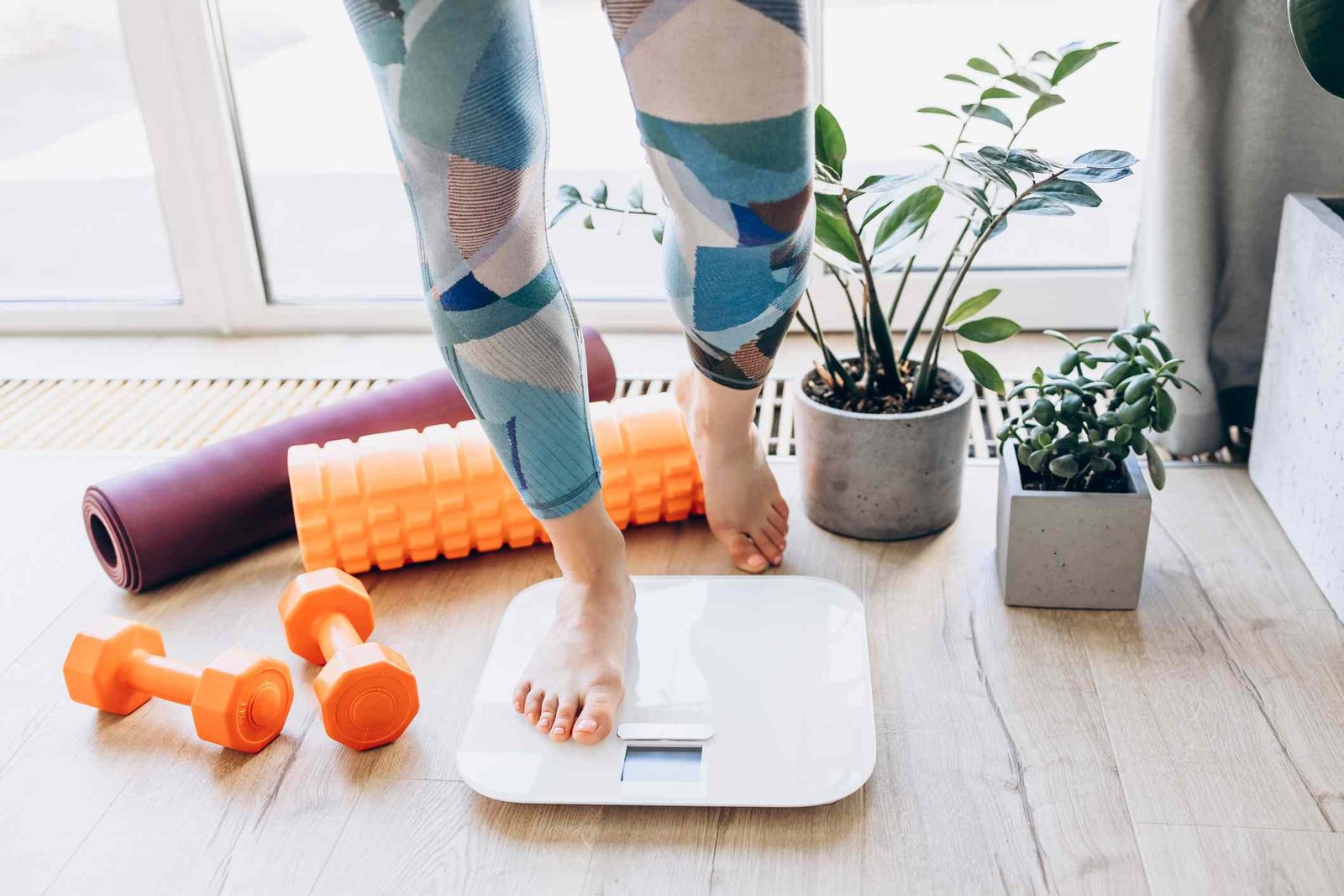
Maintaining a healthy weight is important for heart health, kidney function, metabolic health, and other bodily functions. If you’re tracking your weight, scientific studies show there is an ideal time of day to weigh yourself for the most reliable and consistent results.
The best time of day to weigh yourself is first thing in the morning, before you’ve had anything to eat or drink, and after you’ve used the bathroom.
“It’s important that you’re weighing yourself consistently at the same time every day to get data,” Theresa Gentile, RDN, CDN, a registered dietitian and national media spokesperson for the Academy of Nutrition and Dietetics, told Health.
Gentile also said it’s ideal to weigh yourself before your weight naturally rises during the day, which can be caused by the food and fluids you consume, hormonal shifts, and even the amount of salt you consume (which can cause your body to hold on to more water).
Research shows that weighing yourself daily is associated with greater weight-loss success, but if you’re not trying to lose weight, then experts say you can weigh yourself less often.
“For tracking overall health, keeping an eye on your weight over time can be helpful–whether it’s at your annual primary care provider visit or more frequently, with a scale at home,” Kathryn M. Ross, PhD, MPH, a senior research scientist at the Advocate Aurora Research Institute and a professor in the Department of Social Sciences and Health Policy at Wake Forest University School of Medicine, told Health.
“For someone trying to lose weight, I typically recommend that they weigh themselves at least once per week, and most evidence-based weight loss interventions now generally recommend once per day,” said Ross.
Gentile agrees. “Studies have found that people who weigh themselves daily are more likely to lose weight and adopt more weight control behaviors,” she said. “My clients who weigh themselves daily, or almost daily, become more comfortable with normal scale fluctuations and are better able to respond to upward trends before they become harder to reverse.”
People with a history of eating disorders, scale anxiety, or obsessive weight-checking behaviors should weigh themselves less often.
“If you find that knowing or monitoring your weight is triggering or impacts your mood negatively when you don’t see a number you want, it’s important to seek support,” Summer Kessel, RD, CSOWM, LDN, a registered dietitian and certified specialist in obesity and weight management, and chief of nutrition at Vineyard, told Health.
Weight tracking is important as part of a treatment plan for certain health conditions, like heart failure or kidney disease.
Beyond the scale, experts say other metrics can indicate fat loss and other health outcomes, including clothing measurements, metabolic lab results, energy levels, and fitness performance.
“Non-scale measures are sometimes even more important than the number on the scale,” said Kessel. “Engaging in daily healthy habits like quality nutrition, physical activity, and adequate sleep can improve health even if your weight doesn’t change.”
