

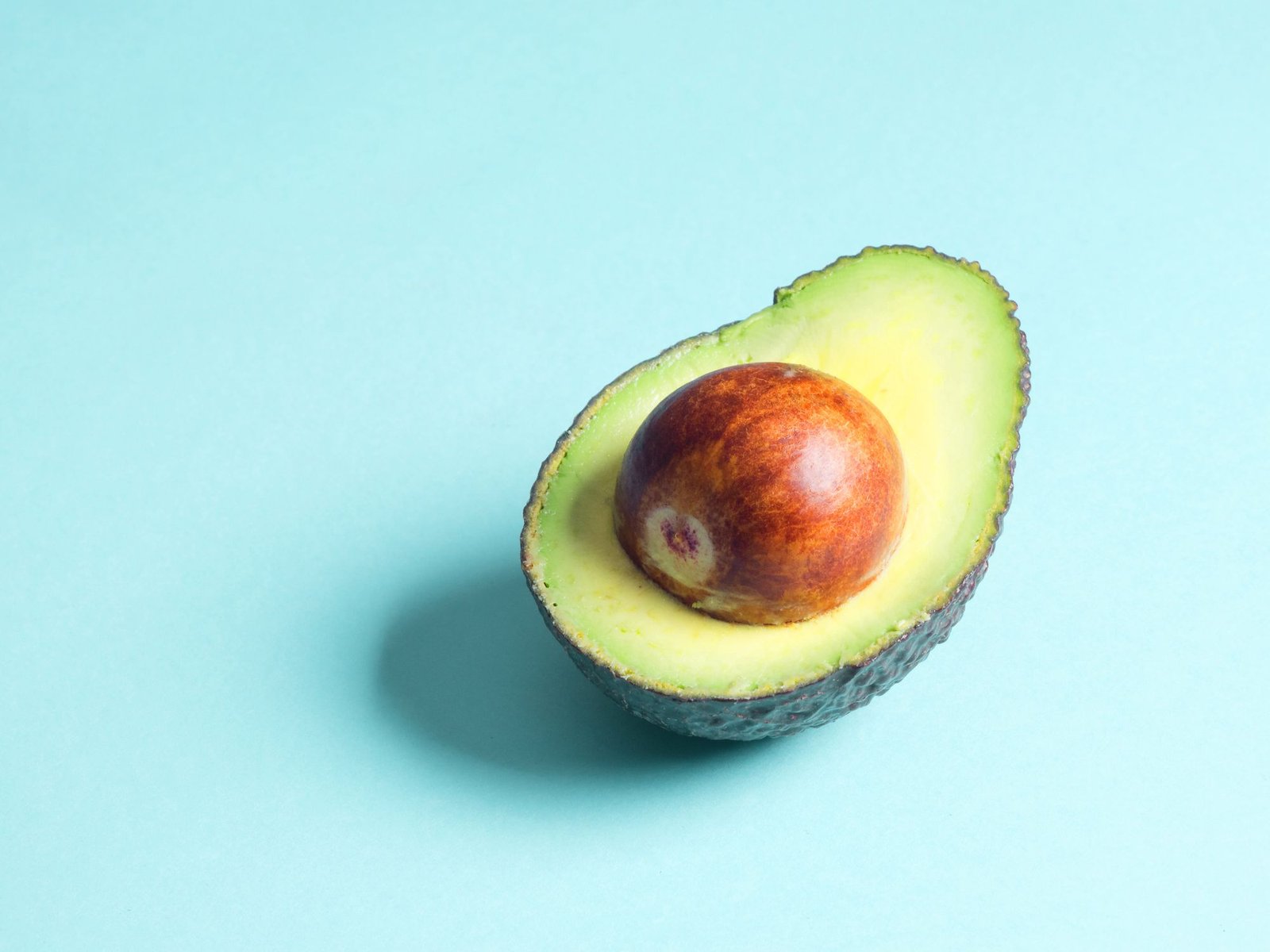
Avocados are packed with fiber and heart-healthy fats. They are a popular addition to many eating plans, including the Mediterranean, DASH, and low-carb diets.
You can enjoy avocado any time of day and still reap the health benefits. No studies indicate a single best time of day to eat avocado to maximize its health benefits. However, some initial studies suggest that eating avocados at certain times of day may have unique benefits.
A small 2019 study found that replacing some carbohydrates at breakfast with avocado promotes satiety and helps people feel full longer. The study also found that levels of peptide YY (PYY)—a hormone that supports satiety—were higher in people who ate avocado for breakfast.
The researchers also noted that participants had improved blood flow and blood sugar levels after eating avocado at breakfast, compared to participants who ate the standard meal. More research is needed to verify these findings.
A small, older study found that eating avocado at lunch helped people who were overweight without other health conditions feel more satisfied after finishing their meal. This satiety also helped them avoid snacking later for as long as five hours. The participants also had more consistent blood sugar levels following lunch.
Adding avocado to your sandwich, soup, or salad may help prevent snack cravings between meals.
A 2025 study found that when people snacked on avocados at night, they had slightly lower triglyceride levels before breakfast compared to other late-night snacks. Then, three hours after breakfast, they had significantly lower levels of triglycerides.
These findings support what is known as the “second meal effect,” which assumes that your previous meal can impact how your body processes the next meal.
People participating in the study ate their avocado between 8 p.m. and 9 p.m. Then, they fasted for 12 hours overnight before eating breakfast.
There’s also some evidence that eating avocados at night could improve sleep. Another 2025 study found that eating one avocado a day for six months improved sleep duration and quality.
Avocados are some of the most nutritious and filling fruits available. One avocado (200 grams) provides:
- Calories: 322 kcal
- Protein: 4 grams (g)
- Total fat: 29.5 g (23.3 g of which is mono- and polyunsaturated fats)
- Carbohydrates: 17.1 g
- Fiber: 13.5 g, or 48% of the Daily Value (DV)
- Vitamin K: 42.2 micrograms (mcg), or 35% of the DV
- Vitamin E: 4.2 mg, or 28% of the DV
- Vitamin C: 20 mg, or 22% of the DV
- Potassium: 975 milligrams (mg), or 20% of the DV
Avocados offer several health benefits. Research suggests that eating avocados regularly can lower your risk for heart disease and type 2 diabetes and may help lower cholesterol. Eating avocados may also promote eye health and boost skin elasticity and firmness.
Avocados are mild-tasting, creamy fruits that work well at any meal. You can eat them as a snack, add them to salads and grain bowls, or mash them to make savory spreads. Here are some simple ways to enjoy avocado any time of day:
- Roughly smash avocado on whole-grain toast to make avocado toast
- Cube avocado and put it on a salad for a filling topping
- Smash it and add it to a sandwich in place of mayonnaise
- Slice it and serve with eggs
- Mix it with onion, tomato, and herbs to make guacamole
- Add avocado to a smoothie for extra creaminess
- Fill an avocado half with chicken or tuna salad
- Use it as a topper for soup or chili
