

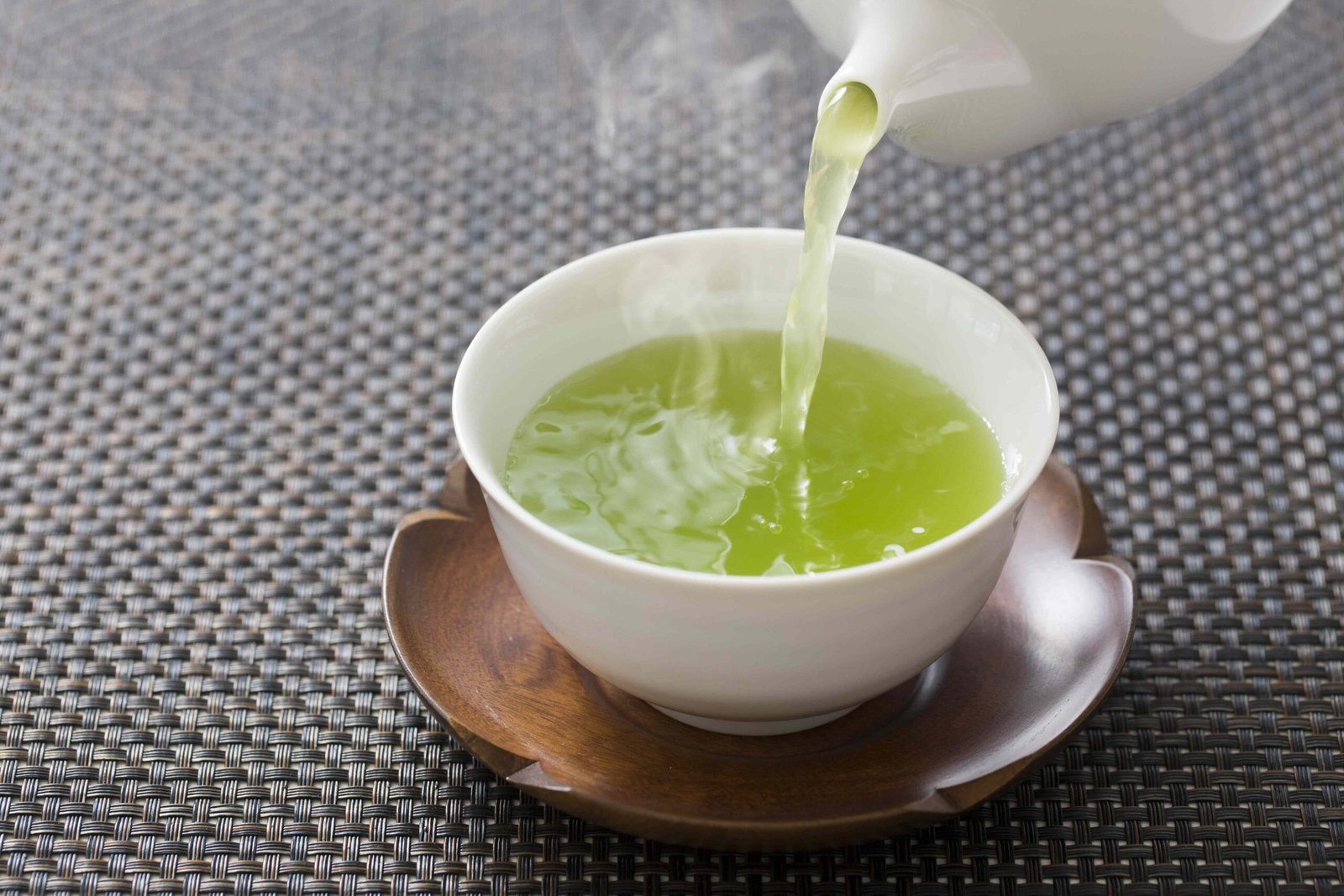
Green tea has a mild, pleasant taste and has been used to support health for thousands of years—it’s also the second most popular tea worldwide. For optimal health benefits, it may be best to limit your green tea consumption to certain times of day: In the morning, at mid-day, or between meals.
Due to the body’s circadian rhythm, people may feel tired after they wake up and again in the early or mid-afternoon. Caffeinated drinks like green tea are a common solution to making you feel more alert. This is because caffeine is able to bind to a substance called adenosine that otherwise makes you feel tired, providing a boost of energy.
Beyond making you feel alert, drinking caffeine in the morning can have a positive effect on mood and can boost your athletic performance.
A 12-ounce serving of green tea contains about 37 milligrams of caffeine, which is significantly less than what you’ll find in a cup of coffee. This lower caffeine content means there’s little risk of overdoing it to the point where you start to experience caffeine side effects or sleep disruptions.
Still, it’s best to be cautious, particularly if you’re choosing to have multiple cups of green tea to get over that mid-day slump—caffeine lingers in your system for about four or five hours, so having multiple cups could impact your sleep.
One of the reasons green tea is such a healthy addition to your diet is because it’s full of powerful antioxidants—these compounds help protect cells from damage and have been linked to a lower risk of chronic conditions such as heart disease.
But tannins, one type of antioxidant found in teas and coffees, can interfere with the body’s ability to absorb and use iron. In fact, green tea may limit iron absorption by 85%.
Iron helps the body carry oxygen, supports muscle metabolism, and assists in creating some hormones. If levels get too low, people can develop iron deficiency anemia, which means the body doesn’t have enough of a protein called hemoglobin to carry enough oxygen, leading to symptoms such as weakness, fatigue, brain fog, and gastrointestinal issues.
Low iron is more of a concern among people who drink large amounts of green tea, but in general, it’s best to avoid drinking green tea with meals. Put a pause on your green tea consumption at least an hour before and an hour after you eat. That lowers the risk of tannins interacting with the iron you need from other foods and drinks.
Green tea is full of antioxidants, making it a great addition to a healthy diet. In addition to when you drink it, the preparation method also matters. For the greatest amount of antioxidants in your green tea, consider the following:
- Brew your tea hotter and longer: The temperature of the water used to steep green tea—as well as the brewing time—have an impact on the amount of antioxidants in your cup. Steeping your tea for too long can make it more bitter. However, some research recommends hot water (176 degrees Fahrenheit) and longer brewing times if you want higher caffeine and antioxidant content.
- Skip the milk: Many people add dairy to their tea or drink milk teas. However, some research suggests the proteins in milk could bind to the antioxidants in green tea. Drinking your green tea plain could maximize the amount of antioxidants available for your body to absorb.
