

Key Takeaways
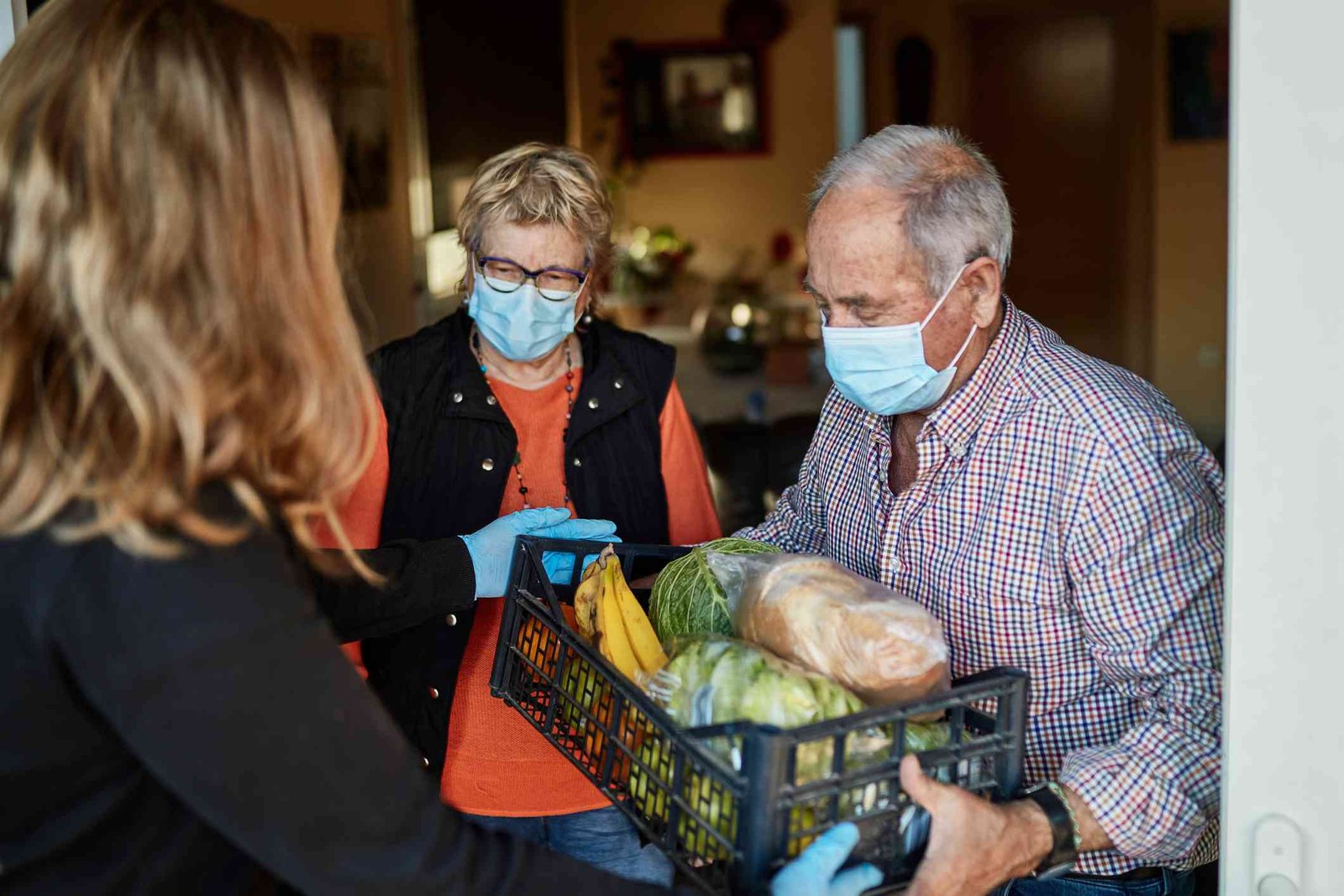
- Prosocial behaviors are actions meant to help others, like sharing or comforting.
- Helping others can make you feel happier and improve your mood.
- Some prosocial actions are done to help others without expecting anything in return.
When was the last time you helped a friend move or held the door open for a stranger? These small acts of kindness are what psychologists refer to as prosocial behaviors. They are more than just feel-good moments. They play a crucial role in holding together the fabric of our social lives. They help us forge connections, cope with hardships, and even help us feel better about ourselves.
Simply put, prosocial behaviors are those intended to help other people. These actions are characterized by a concern for the rights, feelings, and welfare of other people. A few examples of prosocial behaviors include feeling empathy and concern for others.
Prosocial behavior includes many actions, such as helping, sharing, comforting, and cooperating. The term itself originated in the 1970s and was introduced by social scientists as an antonym for antisocial behavior.
Benefits of Prosocial Behavior
In addition to the obvious good that prosocial actions do for their recipients, these behaviors can have a range of beneficial effects for the “helper”:
- Mood-boosting effects: Research has also shown that people who engage in prosocial behaviors are more likely to experience better moods. Not only that, people who help others tend to experience negative moods less frequently.
- Social support benefits: Having social support can be crucial for getting through difficult times. Research has shown that social support can have a powerful impact on many aspects of wellness, including reducing the risk of loneliness, alcohol use, and depression.
- Stress-reducing effects: Research has also found that engaging in prosocial behaviors helps mitigate the negative emotional effects of stress. Helping others may actually be a great way to reduce the impact of stress on your life.
Types of Prosocial Behavior
While prosocial behavior is often presented as a single, uniform dimension, some research suggests that there are different types. These types are distinguished based on why they are produced and include:
- Proactive: These are prosocial actions that serve self-benefitting purposes.
- Reactive: These are actions that are performed in response to individual needs.
- Altruistic: These include actions that are meant to help others without any expectations of personal gain.
Researchers also suggest that these different types of prosocial behaviors are often likely to be motivated by differing forces. For example, proactive prosocial actions were found to often be motivated by status-linked goals and popularity within a group. Altruistic prosocial behaviors, on the other hand, were more closely linked to being liked by peers and achieving shared goals.
Other researchers have proposed that prosocial behaviors can be divided into helping, sharing, or comforting subtypes.
Prosocial Behavior vs. Altruism
Altruism is often seen as a form of prosocial behavior, but some experts suggest that it represents different concepts. While prosocial behavior is seen as a type of helping behavior that ultimately confers some benefits to the self, altruism is viewed as a form of helping motivated purely out of concern for the individual in need.
Others argue, however, that reciprocity actually underlies many examples of altruism or that people engage in such seemingly selfless behaviors for selfish reasons. For example, a person might engage in altruism to gain the acclaim of others or to feel good about themselves.
Why We Help Others
Prosocial behavior has long posed a challenge to social scientists. Researchers seek to understand why people engage in helping behaviors that are beneficial to others, but costly to the individual performing the action.
In some cases, including acts of heroism, people will even put their own lives at risk in order to help other people, even those who are complete strangers. Why would people do something that benefits someone else but offers no immediate benefit to the doer?
Psychologists suggest that there are a number of reasons why people engage in prosocial behavior.
Evolutionary Influences
Evolutionary psychologists often explain prosocial behaviors in terms of the principles of natural selection. While putting your safety in danger makes it less likely that you will survive to pass on your genes, kin selection suggests that helping members of your own genetic family makes it more likely that your kin will survive and pass on genes to future generations.
While evolution alone isn’t responsible for all acts of kindness and prosocial behavior (after all, we are kind and helpful to people outside of our immediate families), researchers have found evidence that people *are* often more likely to help those to whom they are closely related.
Personal Benefits
Prosocial behaviors are often seen as being compelled by a number of factors including egoistic reasons (doing things to improve one’s self-image), reciprocal benefits (doing something nice for someone so that they may one day return the favor), and more altruistic reasons (performing actions purely out of empathy for another individual).
Reciprocal Behavior
In many cases, we do something for other people. They’ve already done something nice for us. Or we hope that by helping, they will one day return the favor. For example, you might help a friend plan a party because she helped you with a big project in the past. Or you might volunteer to help a colleague meet their deadline because you know that you want them to do the same for you.
The norm of reciprocity suggests that when people do something helpful for someone else, that person feels compelled to help out in return. Evolutionary psychologists suggest that this norm developed because people who understood that helping others might lead to reciprocal kindness were more likely to survive and reproduce.
Socialization
Such behaviors are often fostered during childhood and adolescence as adults encourage children to share, act kindly, and help others. Growing up, we watched other people in our community model prosocial actions. Our parents, teachers, extended family members, and other community members all served as models for how we should also behave.
This socialization process can powerfully influence prosocial behaviors. We want to fit in with the group and develop a sense of belonging, and engaging in prosocial actions can help.
The Bystander Effect: When Prosocial Behavior Fails
Characteristics of the situation can also have a powerful impact on whether or not people engage in prosocial actions. The bystander effect is one of the most notable examples of how the situation can impact helping behaviors.
The bystander effect refers to the tendency for people to become less likely to assist a person in distress when there are a number of other people also present.
For example, if you drop your purse and several items fall out on the ground, the likelihood that someone will stop and help you decreases if there are *a lot* of other people present. The same thing can happen in cases where someone is in serious danger, such as a car accident. Witnesses might assume that since so many other people are present, someone else will have already called for help.
The 1964 murder of a young woman named Kitty Genovese spurred much of the interest and research on the bystander effect. She was attacked late at night near her apartment, but no one contacted authorities during the attack.
Later research demonstrated that many of the neighbors may not have had a clear view of what was happening, which explained why no one tried to intervene or contact the police. However, the crime still spurred abundant research on the bystander effect and prosocial behavior.
Other Influences on Prosocial Behavior
Research on the bystander effect resulted in a better understanding of why people help in some situations but not in others. Experts have discovered a number of different situational variables that contribute to (and sometimes interfere with) prosocial behaviors.
- Fear of judgment or embarrassment: People sometimes fear leaping to assistance only to discover that their help was unwanted or unwarranted. To avoid being judged by other bystanders, people simply do nothing.
- How other people respond: People also tend to look to others for guidance in such situations, particularly if the event contains some level of ambiguity. If no one else seems to be reacting, individuals become less likely to respond.
- The number of people present: The more people there are, the less personal responsibility people feel in a situation. This is known as the diffusion of responsibility.
How to Take Action
Researchers have also have suggested that five key things must happen in order for a person to take action. An individual must:
- Notice what is happening
- Interpret the event as an emergency
- Experience feelings of responsibility
- Believe that they have the skills to help
- Make a conscious choice to offer assistance
Other factors that can help people overcome the bystander effect include having a personal relationship with the individual in need, having the skills and knowledge to provide assistance, and having empathy for those in need.
Prosocial behavior can be a beneficial force for individuals, communities, and societies. While there are many factors that contribute to helping actions, there are things that you can do to improve prosocial actions in yourself and in others:
- Develop your skills: One reason why people fail to help is that they feel like they don’t really have the necessary skills to be of assistance. You can overcome this by doing things like learning the basics of first aid or CPR, so that you’ll feel better prepared if you do find yourself in an emergency situation.
- Model prosocial actions: If you are a parent, provide a good example for your children by letting them see you engage in helpful actions. Even if you don’t have kids, prosocial behaviors can help inspire others to take action. Volunteer in your community or look for other ways that you can help people.
- Praise acts of kindness: When you see kids (or even adults) doing kind things for others, let them know you appreciate it.
Seeing other people do good things encourages and inspires others to take action to help others.
