

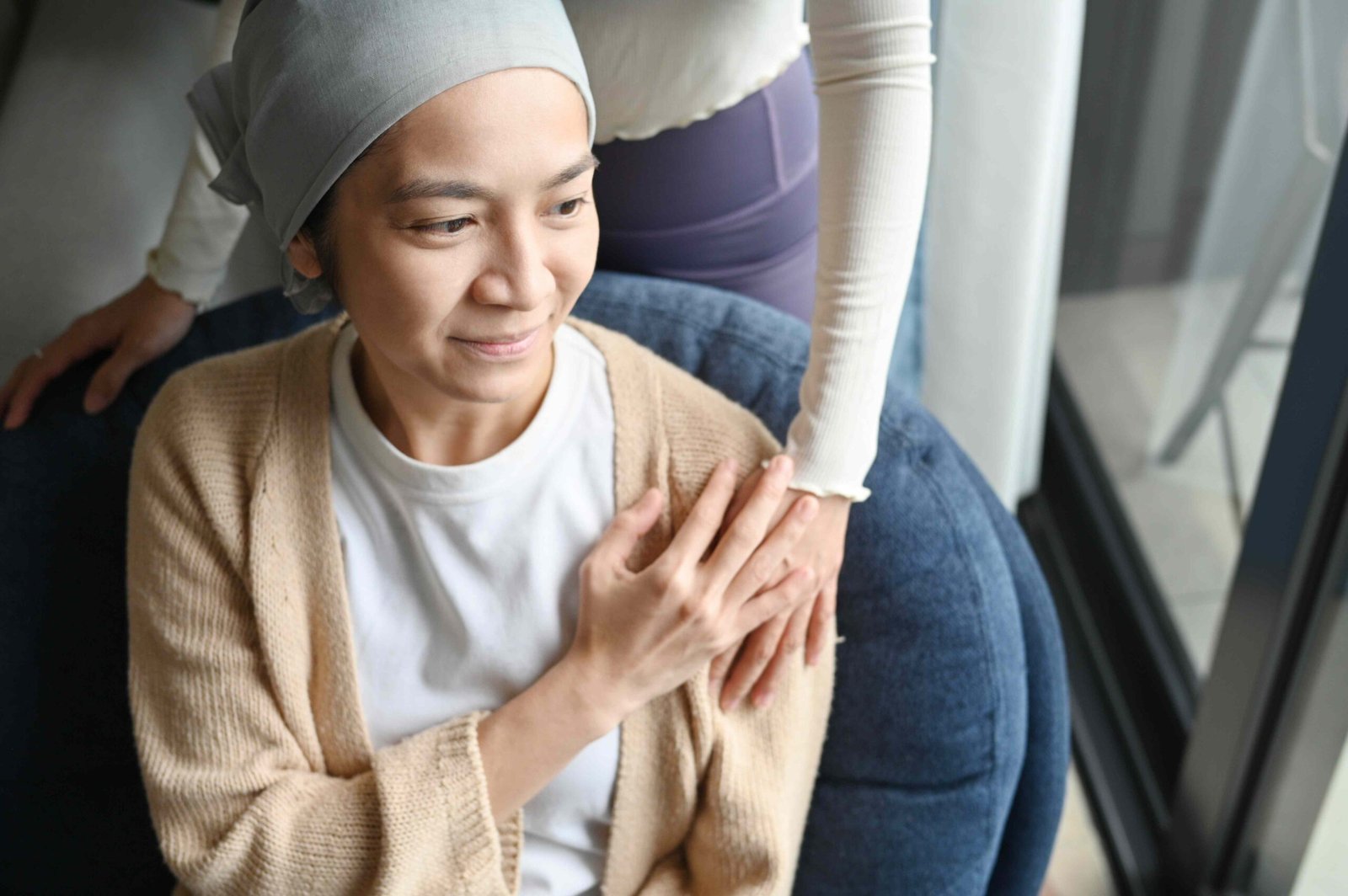
In November 2015, my life changed irreversibly when my beloved mother was diagnosed with ovarian cancer.
Overnight, I went from being a 32-year-old single woman with what I now call “cute” stressors (as in, “that’s so cute you thought that was stressful”) like if that boy was going to call me back, to the acute stress of being an only child whose confidant, cheerleader and best friend was battling a particularly nasty type of cancer.
I really learned the hard way—by lots of mistakes—how to support a loved one going through cancer treatment.
I was “lucky” enough to have had a few friends whose moms also had faced cancer, so I got some advice on how to show up for my mom, but what follows is the guide I wish I’d gotten then.
Be Honest With Yourself
What can you really do? Both from a time standpoint and an emotional resource standpoint.
For example, if you’ve never been a baker, now is probably not the time that you’re going to bring over freshly baked homemade bread every week for your loved one.
Similarly, if you know you have a demanding job, but you want to visit your loved one every day or even every week, it’s crucial to be honest with yourself about your capacity.
“Being patient and present is what’s really important,” says Dr. Monique James, a psychiatrist at Memorial Sloan Kettering Cancer Center. And if you’re feeling stressed by your to-do list or other responsibilities while visiting your loved one, you’re possibly not being as helpful as you think, since you’re not being fully present with them. It can be better to perhaps see your loved one less, but have the time really be quality time.
And if you find that you’re overextending yourself, says James, “there might be some underlying thing there that you need to address, whether that be righting a wrong from the past or working something else out for yourself.”
Center the Patient
A point that James emphasized several times was asking yourself the tough questions. Am I really doing this for myself or the patient? Do I want to be thought of as the Best Caregiver Ever, or is this really what would help this person?
“If it’s ‘I’m doing this because I’m so anxious or scared,'” she says, “it doesn’t mean you don’t do it, but you pause and take a step and say, that’s interesting.”
If you find yourself operating from a place of doing everything you think you’re “supposed to be doing,” try taking some time to check in with the patient. Is this even something they actually want?
For example, maybe you’re coming over every day when what they actually want or need is more time to themselves to process and/or go inward to cope with their diagnosis and treatment. Remember: everyone copes with things differently.
Be Specific
Often, when someone is diagnosed with cancer, they hear a ton of phrases and sentiments that, while they come with the best intentions, aren’t always received that way.
Remember: center the patient. Really put yourself in their shoes. If you were the one who was sick and dealing with fatigue, side effects of medications and treatments and uncertainty—would you want to hear “let me know if you need any help” or would you rather hear “hey, I can come over next Monday at 4 and bring you chicken soup for dinner?”
The purpose of proposing something specific, says James, is “making it easier on your loved one.” Even if they’re not free next Monday at 4 and they’d rather you bring them matzoh ball soup, it takes the onus off of them having to be the on to come up with the plans and possibly feel burdensome asking for a certain kind of help.
If you’re having a hard time being specific in your suggestions, James suggests thinking of your specialties.
Are you a creative person? Maybe you want to bring over craft supplies and create something together with your loved one. More of a chef? Maybe your loved one isn’t up to standing side-by-side with you to prep and cook a whole meal, but they can sit and chop vegetables with you as you cook.
Cancer patients are often left out of so much, but they can usually still use their hands [and participate in something hands-on].
Meet Them Where They’re At
Although you think you may know what your loved one needs better than they do, only they really know their capabilities and energy levels. Even if you have also had cancer—even the same kind—your circumstances were not the same even if they were similar.
While maybe you were able to run three miles a day throughout your cancer treatment, your loved one truly may not be able to manage more than getting out of bed on a given day.
Rather than telling them what you think they should do and risking further isolating them at a time that is already lonely, do your best to really meet them where they’re at. Helping them avoid isolation is linked with better survival rates.
For example, you may be expecting that they would be feeling happy on a given day and show up ready to deal with that while they’re down in the dumps. Conversely, you may want to talk to them about their cancer when they’re having a day where all they want to do is escape everything and anything related to cancer.
“When you meet up with someone,” says James, “It’s OK to say ‘what are you up to today?’ or ‘what kind of day is it today for you?’ rather than ‘how are you doing?’ Or ‘how did your last treatment go?’”
Also, you might want to visit them for hours on a given day, but perhaps all they want or can handle is 30 minutes. Putting your own expectations aside will help you avoid disappointment as well as truly help your loved one, since you’re giving them what they want and need, not what you want and need.
Ask for Permission
Sometimes the best way to handle potential awkwardness is to just plain address it.
“It’s OK to acknowledge that you’re feeling a little helpless,” says James, though she emphasizes that beyond that, you should absolutely be seeking your own support.
“But ask for permission on how [your loved ones] want to go about it—anything from ‘how do you like to communicate? Can I send you a text or a joke? Or are texts crazy, and you want to be out of your phone, and you want me to call you?” Take solace in the fact that truly just showing up is doing something; research shows that those with higher social support faced lower levels of uncertainty in their cancer journeys and even had better health outcomes.
She also says to ask for permission to visit, rather than just showing up. Try offering and suggesting times that you will or can come over, rather than putting the responsibility on your loved one to also check their schedule and let you know when they’re free.
Key Takeaways
- Above all, James says, “keep the person going through it at the center of your motivation, and you’ll be fine.” As long as you keep returning to that, rather than to what you think you should be doing, you’ll be on the right track.
- Put your ego aside and check in on what’s really going on with both you and your loved one as you offer support. You’ll make more of a meaningful impact than you might have imagined.
- Be patient and fully present when you do spend time with them, even if you have to see them less to achieve that.
Thanks for your feedback!
What is your feedback?
Helpful
Report an Error
Other
