

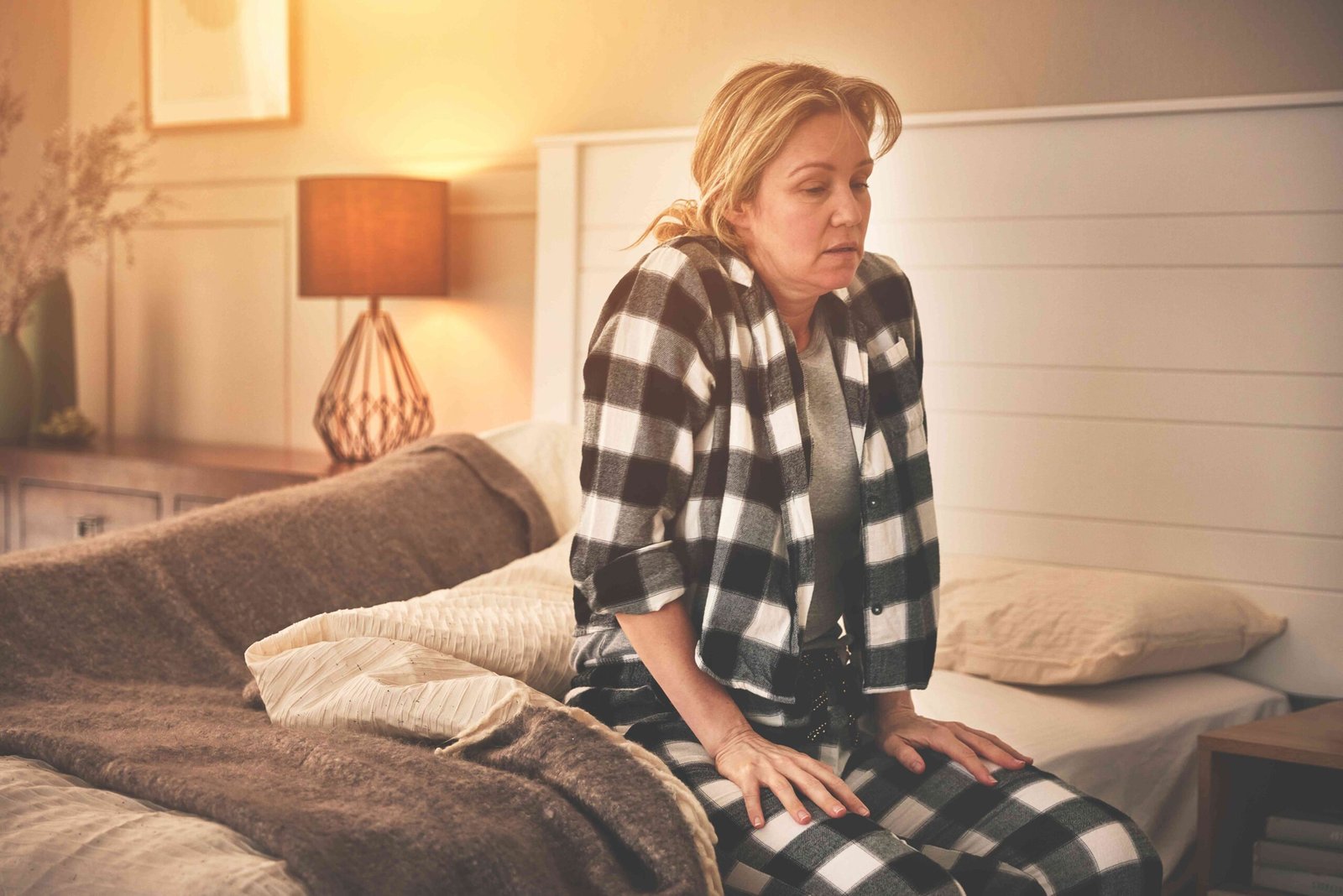
Spinal meningitis causes inflammation of the membranes (meninges) around your brain and spinal cord. Common culprits include bacterial and viral infections.
People often get spinal meningitis from specific pathogens, such as bacteria or viruses. Non-infectious causes can include a head injury, brain surgery, certain illnesses, or medications.
Each causes a certain type of spinal meningitis, including:
- Amebic: This is a very rare type of spinal meningitis from amoebae in soil and warm water. You might be infected if you swim in contaminated water.
- Bacterial: This is a severe illness that can turn deadly quickly. Bacterial spinal meningitis happens if bacteria spread through the bloodstream to the brain or enter the meninges directly.
- Fungal: Breathing in certain fungal spores might cause this rare spinal meningitis. Some of those fungi, such as Blastomyces and Histoplasma, live in soil in parts of the United States.
- Non-Infectious: This occurs due to a head injury, brain surgery, illness, or medication. Your body reacts to the non-infectious cause by creating inflammation in the lining of your brain and spinal fluid.
- Parasitic: Although rare, you might contract a parasite by eating contaminated food. For example, eating raw or undercooked freshwater fish may expose you to Gnathostoma spinigerum parasites.
- Viral: This is the most common cause of spinal meningitis. Viruses that may cause spinal meningitis typically include herpes simplex virus (HSV), influenza virus, and non-polio enteroviruses.
Symptoms are typically the same regardless of what type of spinal meningitis you have. You might have flu-like symptoms, such as a fever and generally feeling unwell, which last one to two days.
Spinal meningitis symptoms worsen with inflammation and may include:
- A sudden fever
- Double vision
- Feeling confused or irritable
- Light sensitivity
- Nausea
- Seizures
- Severe headache
- Skin rash
- Stiff neck
- Vomiting
“These are symptoms of brain inflammation, not specific to certain germs, whether viral or bacterial,” Frank Esper, MD, a pediatric infectious disease specialist at the Cleveland Clinic, told Health. “So, if you have any of these symptoms, that’s when we say we’re worried about meningitis.”
What Are the Signs in Infants?
Symptoms may look different in infants. Seek immediate medical attention if an infant develops symptoms that might indicate spinal meningitis.
Those symptoms include:
- A fever or temperature that’s lower than usual
- Bulging in the soft spot of the head
- Constant crying that may be high-pitched or worsen when held
- Decreased alertness
- Excessive sleepiness or trouble waking up
- Irritability
- Poor appetite or feeding
- Rapid breathing
- Stiff neck and body
- Unusual posture, with their head or neck arched backward
- Vomiting
Infectious spinal meningitis happens if a pathogen—amoeba, bacterium, fungus, parasite, or virus—enters your body and goes to your brain. Your immune system detects the pathogen in your brain. As a result, the meninges become inflamed.
Non-infectious causes of spinal meningitis include:
- Autoimmune diseases: These occur when the body’s immune system targets and attacks its healthy cells. It’s important to rule out autoimmune diseases when a patient presents with persistent meningitis symptoms. Although rare (less than 2%), meningitis can be an early sign of lupus, which affects healthy cells in the brain and spinal cord.
- Brain surgery: This might occur due to a bacterial infection, an inflammatory reaction to the surgery, or certain medications.
- Cancer: Spinal meningitis might occur with advanced cancers that have spread to the brain and spinal cord.
- Certain medications: Although rare, non-steroidal anti-inflammatory drugs (NSAIDs) like ibuprofen might cause spinal meningitis. Some evidence suggests that spinal meningitis is a rare side effect of some antibiotics.
- Head injuries: Inflammation of your brain and spinal cord may result from head trauma.
Who’s at Risk?
Spinal meningitis is a severe infection that can happen to anyone.
People with a weak immune system have a higher risk of spinal meningitis from any cause. Certain illnesses, such as HIV/AIDS, and medications might weaken the immune system.
Infants also have a higher risk of spinal meningitis than others.
Other factors that increase the risk of spinal meningitis include:
- Coming into contact with contaminated bird droppings and dirt
- Gathering in large groups (e.g., college students on campus)
- Not staying up-to-date with routine vaccines
- Recently traveling to places with high rates of spinal meningitis, such as sub-Saharan Africa and Mecca
- Swimming in contaminated water
- Working with bacteria (e.g., microbiologists)
Your symptoms will not tell you what type of spinal meningitis you have, so it’s essential to get medical attention right away.
A doctor will ask questions about your health history and symptoms. They will likely perform a physical exam, checking your balance, hearing, speech, and vision.
Based on your symptoms, a doctor will administer diagnostic tests like:
- Blood culture: Checks for pathogens like bacteria in your blood
- Chest X-ray: Looks for signs of an infection
- CT scan: Takes X-ray pictures of the inside of your head, which may show inflammation of the brain
- Lumbar puncture (spinal tap): Collects cerebrospinal fluid (CSF), which protects your brain and spinal cord, to check for inflammation
The goal of treatment is to eliminate the pathogen and decrease inflammation of the brain and spinal cord.
Treatments vary depending on the type of illness. For example, most people with viral spinal meningitis recover at home by drinking plenty of fluids and taking pain relievers. Parasitic and non-infectious spinal meningitis also involves supportive care.
In contrast, bacterial spinal meningitis can progress rapidly and become fatal if untreated. Since symptoms of bacterial meningitis are not dissimilar to all other causes of meningitis, early intervention is crucial.
Antibiotics may be administered before the diagnosis is confirmed. Once the specific pathogen is identified, treatment will be tailored accordingly.
Treatments typically include intravenous (IV) antibiotics and fluids. Of note: Antibiotics will not work for viral spinal meningitis. You might require anticonvulsants to prevent seizures or steroids to reduce inflammation. Fungal spinal meningitis requires antifungal medications.
Staying up-to-date with routine vaccines is one of the best ways to prevent spinal meningitis.
Certain vaccines, such as the Hib, measles, mumps, pneumococcal, and polio vaccines, may prevent bacterial spinal meningitis. Children aged 11-12 often receive a meningococcal conjugate vaccine, followed by a booster at age 16.
No vaccine is 100% effective. It’s essential that you seek medical attention right away if you have spinal meningitis symptoms, regardless of your vaccination status.
Other ways to prevent spinal meningitis include avoiding close contact with people who are sick and regularly washing your hands. A doctor might recommend antibiotics if you recently had contact with someone with bacterial spinal meningitis.
Complications are more likely to result from bacterial spinal meningitis than from other types.
Some people need further treatment in the intensive care unit (ICU) if their blood pressure is dangerously low. Low blood pressure might cause shock, damaging the adrenal glands and kidneys.
Other people might require a breathing machine (ventilator) if they need help breathing.
Neurological problems that might result from inflammation of the brain and spinal cord include:
- Hearing loss
- Learning disabilities
- Seizures
- Vision changes
