
Close Menu
Fit and Healthy Weight

    Subscribe to Updates

    Get the latest creative news from FooBar about art, design and business.

    What's Hot

    8 Foods With More Healthy Fats Than Peanut Butter

    February 24, 2026

    7 Common Mistakes To Avoid When Making Oatmeal

    February 24, 2026

    7 Chain Restaurants With the Best Extra-Crispy Chicken

    February 24, 2026
    Facebook X (Twitter) Instagram
    Facebook X (Twitter) Instagram
    Fit and Healthy Weight
    Tuesday, February 24
    • Home
    • Diet
    • Mindset
    • Recipes
    • Reviews
    • Stories
    • Supplements
    • Tips
    • Workouts
    Fit and Healthy Weight
    Home»Workouts»Soluble Fiber vs. Insoluble Fiber: What’s the Difference?
    Workouts

    Soluble Fiber vs. Insoluble Fiber: What’s the Difference?

    By February 24, 2026No Comments3 Mins Read
    Share Facebook Twitter Pinterest LinkedIn Tumblr Reddit Telegram Email
    Soluble Fiber vs. Insoluble Fiber: What’s the Difference?
    Share
    Facebook Twitter LinkedIn Pinterest Email

    Most people are well aware that fiber is a nutrient we want to eat enough of. Fewer know that there are two distinct types: soluble fiber and insoluble fiber. Both play different—but equally valuable—roles in your body. Does fiber make you poop? You bet. But as hyped as fiber’s poop-promoting powers may be—and make no mistake, that function is indeed essential—there’s actually a lot more to appreciate about the stuff, both in its soluble and insoluble forms.

    In an effort to give fiber its full due, we broke it all down with the help of a few nutrition experts. Here’s everything you need to know about the two types of fiber, including what they do in your body, the foods where you can find them, and the health benefits they offer.

    First of all: What actually is fiber?

    Fiber, sometimes called dietary fiber, is a type of carbohydrate found in plant foods, according to the Food and Drug Administration (FDA). Its structure is formed by a bunch of sugar molecules, bound together in a way that makes it hard to readily break down and use as energy. The small intestine can’t digest fiber in the same way as other kinds of carbohydrates, so unlike sugar or starch, for instance, fiber is not a great source of fuel for the body. But it still plays a crucial role in a healthy diet.

    So what foods are high in fiber generally? Lots of kinds of plants. Nearly all plant foods (which include vegetables, fruits, whole grains, legumes, seeds, and nuts) contain a combination of both soluble and insoluble fiber, according to the FDA. Sometimes the two types are listed separately on nutrition labels, but often, they’re lumped together as “fiber.” Take an apple, for instance. Its flesh contains some soluble fiber, while the skin is full of insoluble fiber, Whitney Linsenmeyer, PhD, RD, an assistant professor in the department of nutrition and dietetics at Saint Louis University’s Doisy College of Health Sciences and a national spokesperson for the Academy of Nutrition and Dietetics (AND), tells SELF.

    Where both types of fiber don’t always show up is in fiber supplements (like psyllium husk products) and fiber-fortified foods (like high-fiber protein bars), which often contain large amounts of added fiber that consists of just one type or the other, Lisa Young, RDN, CDN, PhD, a nutrition counselor and adjunct professor in the department of nutrition and food studies at New York University, tells SELF. That not only denies you the benefits of both types, but can also be less than ideal for your stomach, as we’ll get into in a bit.

    What is soluble fiber, and what does it do?

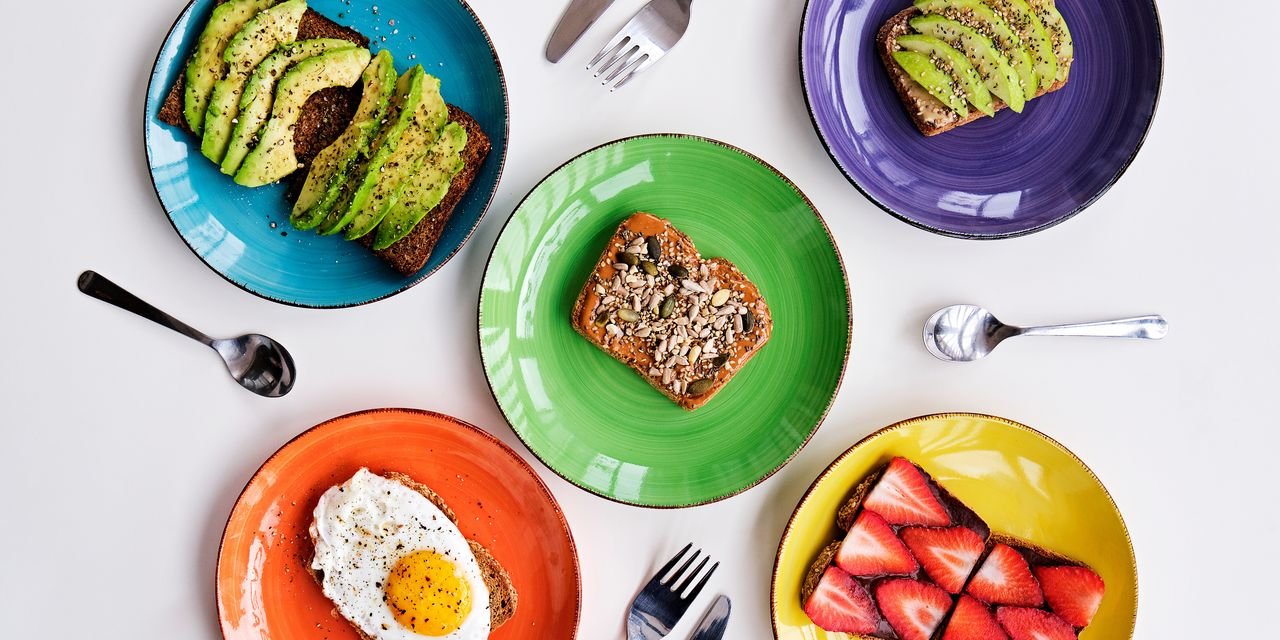
    Soluble fiber is fiber that is able to dissolve in water. While there are “typically fewer rich sources of soluble fiber in our food supply than insoluble fiber,” Desiree Nielsen, RD, a recipe developer with a focus on plant-based nutrition, tells SELF, you probably still have plenty of decent options sitting in your pantry. Soluble fiber is found in grains (like barley and oats), legumes (like beans, lentils, and peas), seeds (like flaxseeds and chia seeds), nuts (like peanuts and macadamia nuts), and some fruits and vegetables (like bananas, avocados, citrus fruits, strawberries, and carrots), according to the US National Library of Medicine (plus okra and eggplant, Nielsen adds). It’s especially concentrated in berries, artichokes, broccoli, and winter squash, Kim Larson, RDN, a board-certified health and wellness coach, tells SELF.

    Difference Fiber Insoluble Soluble Whats
    Share. Facebook Twitter Pinterest LinkedIn Tumblr Email
    Previous ArticleWhat Happens to Your Heart in Cold Weather—and How to Protect It
    Next Article 7 Chain Restaurants With the Best Extra-Crispy Chicken

      Related Posts

      Workouts

      What Is MSG—And Is It Actually Bad for You?

      February 24, 2026
      Workouts

      Why You Should Ask Your Friends for a Performance Review

      February 23, 2026
      Workouts

      Arnold Classic Winner Mike Sommerfeld Shares His Formula for Serious Shoulders

      February 23, 2026
      Add A Comment
      Leave A Reply Cancel Reply

      Top Posts

      New Research Shows Eggs Don’t Raise Your Cholesterol—But Here’s What Does

      August 1, 20256 Views

      6 Best Weightlifting Belts of 2025, According to Trainers

      July 3, 20255 Views

      What happened when I started scoring my life every day | Chris Musser

      January 28, 20262 Views
      Stay In Touch
      • Facebook
      • YouTube
      • TikTok
      • WhatsApp
      • Twitter
      • Instagram
      Latest Reviews
      Tips

      When Is the Best Time to Eat Dinner for Your Health?

      adminJuly 1, 2025
      Diet

      This Intermittent Fasting Method Outperformed the Rest—But There’s a Catch

      adminJuly 1, 2025
      Workouts

      ‘Neckzilla’ Rubel Mosquera Qualifies for 2025 Mr. Olympia After Flex Weekend Italy Pro Win

      adminJuly 1, 2025

      Subscribe to Updates

      Get the latest tech news from FooBar about tech, design and biz.

      Most Popular

      When Is the Best Time to Eat Dinner for Your Health?

      July 1, 20250 Views

      This Intermittent Fasting Method Outperformed the Rest—But There’s a Catch

      July 1, 20250 Views

      Signs, Identification, Impact, and More

      July 1, 20250 Views
      Our Picks

      8 Foods With More Healthy Fats Than Peanut Butter

      February 24, 2026

      7 Common Mistakes To Avoid When Making Oatmeal

      February 24, 2026

      7 Chain Restaurants With the Best Extra-Crispy Chicken

      February 24, 2026
      Recent Posts
      • 8 Foods With More Healthy Fats Than Peanut Butter
      • 7 Common Mistakes To Avoid When Making Oatmeal
      • 7 Chain Restaurants With the Best Extra-Crispy Chicken
      • Soluble Fiber vs. Insoluble Fiber: What’s the Difference?
      • What Happens to Your Heart in Cold Weather—and How to Protect It
      Facebook X (Twitter) Instagram Pinterest
      • About Us
      • Contact Us
      • Disclaimer
      • Privacy Policy
      • Terms and Conditions
      © 2025 Fit and Healthy Weight. Designed by Pro.

      Type above and press Enter to search. Press Esc to cancel.