

Menopause is a very curious transition. I’ve wondered for years how to make the transition easier for women, including my wife.
I’ve designed a dietary supplement (Luminology) to help, and I’ve examined dietary patterns to determine the best way for women to get through it with as few symptoms as possible. We’ve had some pretty decent results.
One of the clues is that Western women tend to have much more severe symptoms than Asian women do, and it’s not because they live in Asia; it has to do with their diet. The research points to a specific type of gut bacteria that produces a compound called equol.
Now, if you’ve never heard of equol, you’re in pretty good company, as most women haven’t. But if you understand what it is, where it comes from, and whether you can cultivate gut bacteria that produce equol, it could have very practical benefits for you as a woman going through menopause.
If you’ve followed our women’s health series, you know that menopause isn’t just about hormones and hormone replacement. There’s an interaction between your diet, hormones, and overall health.
In the article about “10 best foods for perimenopausal women,” I covered how the diet influences FSH levels, insulin sensitivity, and inflammation. In the article on the estrobolome, I covered how a diverse gut microbiome supports estrogen recycling, helping to stabilize hormone levels in postmenopausal women.
Equol is a third layer of protection, because a plant-based diet alone doesn’t always eliminate all your symptoms, based on results from more than a couple of women. Life has many twists and turns, variables, and more than a few exceptions to the rule. Equol could up your game and help you get even better results. And that’s what we’re looking at in this article.
Meet Equol: The Gut-Made Compound That Mimics Estrogen
Equol isn’t found in your food. It’s produced by gut bacteria from the compound daidzein, an isoflavone found in soy foods. There are several steps in the enzymatic process of producing equol, all carried out by bacteria.
Equol is important because, among all the compounds in the soy isoflavone family, equol has the strongest estrogenic and antioxidant activity. It’s the best.
Equol binds preferentially to estrogen receptor beta (ERβ), which is found in bones, the brain, the cardiovascular system, and the urinary tract. Unlike synthetic estrogen, its action is gentler and more selective, so there are far fewer side effects.
There’s just one problem.
The Equol Gap: Why Most Western Women Miss Out
The problem is that your body can’t make equol on its own. It requires specific gut bacteria enzymes to convert daidzein into equol. According to a 2019 review by Mayo, Vázquez, and Flórez in Nutrients, only one-third to one-half of people harbor these equol-producing microbes. (DOI: 10.3390/nu11092231).
Why is this important? You may have heard of different trials where women take soy isoflavones to help with vasomotor symptoms of menopause. Well, the women who are equol producers get better results. For example, in a 2013 randomized pilot trial by Crawford, Jackson, Churchill, and colleagues at the University of Massachusetts, published in Menopause, women who were equol producers experienced meaningfully greater reductions in hot flash intensity from isoflavone supplementation than non-producers, particularly for nighttime symptoms (DOI: 10.1097/GME.0b013e3182829413). The equol-producer status of women helps us understand why some isoflavone studies get inconsistent results.
What Japanese Women Know That Most Western Women Don’t
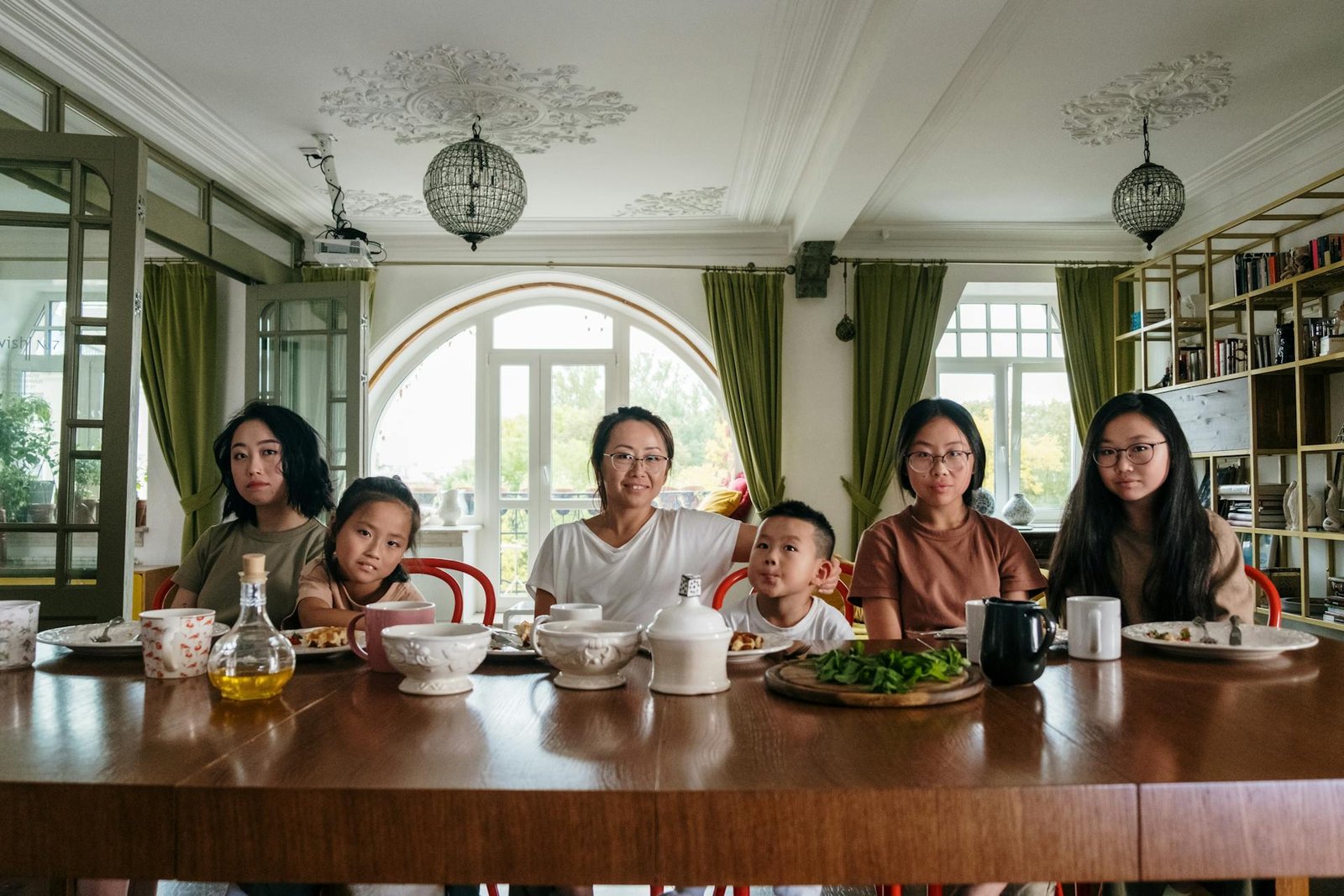
An Asian dietary pattern is more consistent with equol-producing capacity. A study in 2006 by Song and colleagues looked at equol producer prevalence in Korean-Americans versus Caucasian-Americans, all living in Seattle, Washington. The Korean-American women consumed about three times more soy foods. Their equol producer prevalence was 51% versus 36% in Caucasian women. So about half of the Korean-American women produced equol, and only one of three Caucasian women did. (DOI: 10.1093/jn/136.5.1347).
The equol producer status aligns with our observation that Asian women tend to have an easier time with menopause than Western women do, following a typical Western diet. And it’s not just soy, but the ability to produce equol that matters.
Can You Actually Become an Equol Producer? Here’s What the Science Says
Can you become an equol producer if you aren’t one now? This is what we really want to know. And the answer is probably yes, given a sustained dietary change over time. This is still an emerging area of scientific research.
You need two things: You have to supply the bacteria that can produce equol from daidzein, and you need an environment in your gut in which those bacteria can thrive.
Fermented soy appears to matter
The bacteria that produce equol can be found in fermented soy foods. So, the soy food that contains daidzein (the substrate) also contains bacteria that produce equol. A 2019 study by Heng, Kim, Yang, and colleagues in Archives of Microbiology identified Lactobacillus intestinalis as a bacterium capable of efficiently converting daidzein to equol in Korean chungkookjang (short-term fermented soybeans). (DOI: 10.1007/s00203-019-01665-5). There may be other traditional Korean fermented foods that also contain equol-producing bacteria. Kimchi, perhaps?
Fiber amplifies the effect.
A 2016 study by Tousen, Matsumoto, and colleagues in The British Journal of Nutrition found that combining soy isoflavones with resistant starch — a prebiotic fiber — increased equol production and helped prevent bone loss in ovariectomized mice, a standard model of menopause. (DOI: 10.1017/S0007114516001537). Mice already have equol-producing bacteria in them. The fiber just increased equol production. This might work in people, too.
How to Build an Equol-Friendly Gut — Starting Today
It would be nice if there were a simple test to tell whether you already produce equol, but only in a research setting can you determine this.
If you’ve been following our series, this list is pretty familiar. There are just a couple of little tweaks that will help you produce equol.
Here’s how to start:
Eat fermented soy regularly
Tempeh, miso, natto, and naturally fermented tofu are not just isoflavone sources — they deliver pre-formed microbial activity and daidzein in a form that gut bacteria can act on more readily. Eating a little bit every day is better than eating a large serving just once a week.
Stack fiber with soy
Continue eating a diet high in prebiotic fiber. This will help the equol-producing bacteria to thrive. Resistant starches such as cooked and cooled rice and potatoes, green banana flour, and legumes, along with fiber from the rest of your diet, such as vegetables, whole grains, and seeds, all contribute to this. Fiber is basically the “soil” that helps your equol-producing bacteria grow.
Add fermented vegetables
Fermented foods like sauerkraut and kimchi, as well as other traditionally fermented vegetables, introduce Lactobacillus species directly into your gut. These bacterial families are associated with equol production, so eating these foods might also give you some of the right bacteria you are looking for.
Minimize what disrupts your gut microbiome
Stay away from antibiotics whenever possible. Save the antibiotics for a true emergency. Avoid high sugar intake and processed foods. Eat a wide variety of fruits, vegetables, and different fiber sources. All of this will help you have a healthy, diverse gut microbiome.
Be patient—Gut health isn’t built in a day
While every meal can make a difference in your microbiome, true shifts take weeks or months to really consolidate and become stable. It’s your overall dietary pattern over the weeks, months, and years that makes the biggest difference. So get started, be patient, and keep going.
The Key Takeaway
Fermented soy foods, fermented vegetables, a high fiber plant-based diet, and regular use of soy products will help you produce equol.
This dietary pattern has been helping Asians for generations. They haven’t used any single superfood. It is just this consistent daily pattern that has helped them.
This should be encouraging for you. The research doesn’t say you have to do anything strange or odd. Fermented soy foods could be a little bit strange, but they fit in with your overall plant-based dietary pattern. With just a couple of tweaks you could help your hormonal symptoms decrease even further.
References
- Mayo B, Vázquez L, Flórez AB. “Equol: A Bacterial Metabolite from The Daidzein Isoflavone and Its Presumed Beneficial Health Effects.” Nutrients. 2019;11(9). https://doi.org/10.3390/nu11092231
- Crawford SL, Jackson EA, Churchill L, Lampe JW, Leung K, Ockene JK. “Impact of dose, frequency of administration, and equol production on efficacy of isoflavones for menopausal hot flashes: a pilot randomized trial.” Menopause. 2013;20(9):936–945. https://doi.org/10.1097/GME.0b013e3182829413
- Song KB, Atkinson C, Frankenfeld CL, Jokela T, Wähälä K, Thomas WK, Lampe JW. “Prevalence of daidzein-metabolizing phenotypes differs between Caucasian and Korean American women and girls.” The Journal of Nutrition. 2006;136(5):1347–1351. https://doi.org/10.1093/jn/136.5.1347
- Heng Y, Kim MJ, Yang HJ, Kang S, Park S. “Lactobacillus intestinalis efficiently produces equol from daidzein and chungkookjang, short-term fermented soybeans.” Archives of Microbiology. 2019;201(8):1009–1017. https://doi.org/10.1007/s00203-019-01665-5
- Tousen Y, Matsumoto Y, Matsumoto C, Nishide Y, Nagahata Y, Kobayashi I, Ishimi Y. “The combined effects of soya isoflavones and resistant starch on equol production and trabecular bone loss in ovariectomised mice.” The British Journal of Nutrition. 2016;116(2):247–257. https://doi.org/10.1017/S0007114516001537
