

Breast cancer survivors with an inherited risk for obesity have a higher risk of dying early compared with survivors without that genetic predisposition, according to a large new study.
[1]
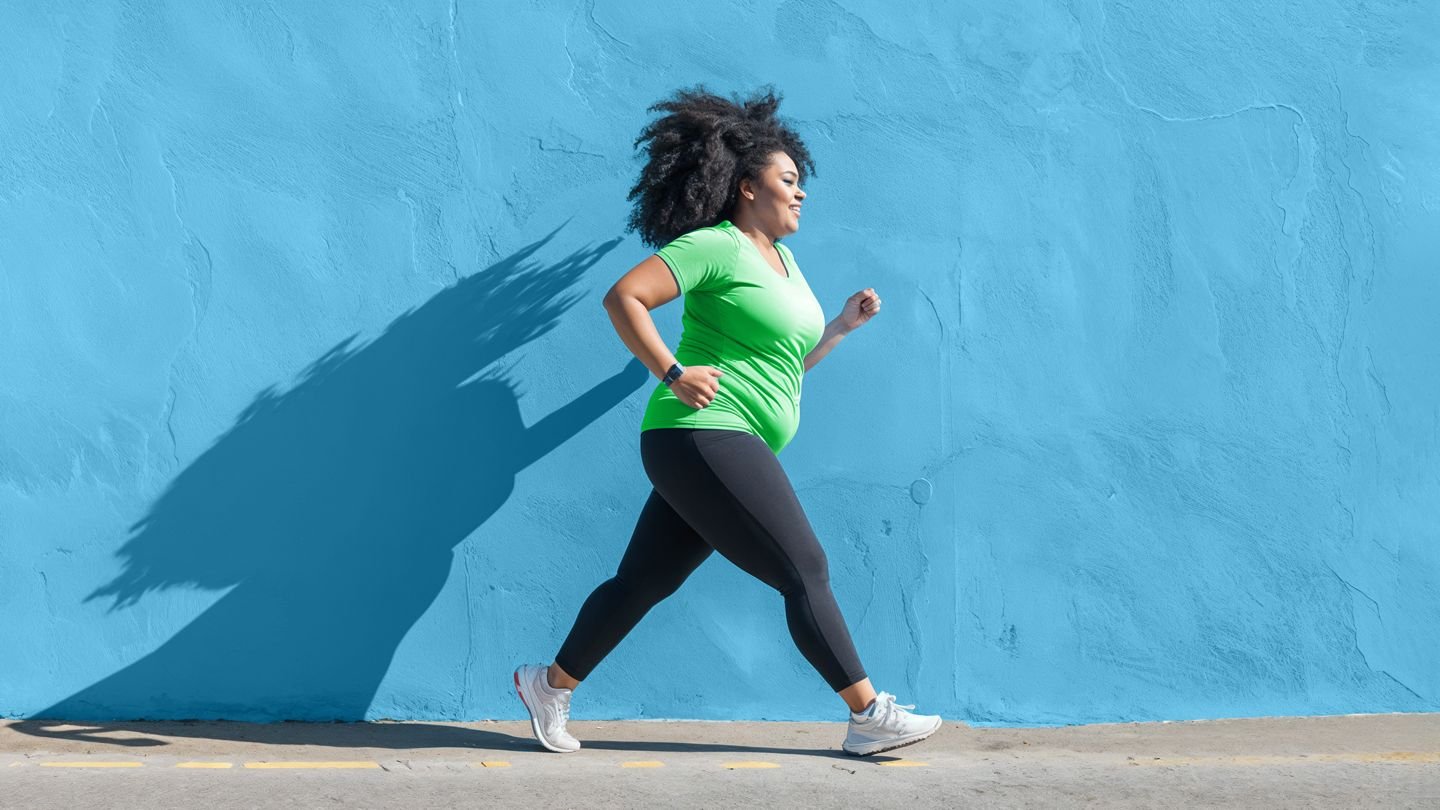
The good news: Genetics aren’t destiny, and those women can significantly reduce their risk with regular walking.
“There are ways to offset the genetic contribution to mortality risk by adding additional steps,” says lead study author Clara Bodelon, PhD, a senior principal scientist who studies cancer survival at the American Cancer Society.
Researchers Added Up the Small Effects of Over 900 Genetic Markers Tied to Obesity
Women with obesity or who are overweight are known to face a higher risk of mortality due to breast cancer, the study authors say. The new investigation looks specifically at whether a genetic predisposition to carrying excess weight influences the risk of death among breast cancer survivors.
The researchers followed more than 4,000 postmenopausal women in their sixties and seventies who were diagnosed with a first, nonmetastatic breast cancer between 1992 and 2017. All were part of the American Cancer Society’s Cancer Prevention Study II Nutrition Cohort and were followed for an average of nearly 15 years.
To estimate genetic risk for higher body weight, researchers analyzed participants’ DNA samples and calculated a polygenic score (looking at multiple genes) for body mass index.
Rather than relying on a single “weight gene,” researchers added up the small effects of over 900 genetic markers tied to obesity through previous research involving hundreds of thousands of people. Based on that genetic score, the women were divided into three groups (high, medium, and low).
Women with high genetic risk for carrying extra weight were more likely to have obesity when they were diagnosed with breast cancer — but genetics did not perfectly predict body size. More than 40 percent of women in the high genetic risk group had a body mass index (BMI) in the healthy range. Among women in the low genetic risk group, about 12 percent had obesity.
Genetics do play a role in obesity, but that’s not the whole story, says Azka Ali, MD, a breast medical oncologist at Cleveland Clinic, who was not involved with the study.
The fact that many women with the higher genetic risk had a normal body weight and some women without the genetic risk had obesity tells us that genes are not the whole story when it comes to carrying extra weight. Individual lifestyle choices — which are modifiable — also play a significant role, says Dr. Ali.
After comparing deaths with genetic obesity risk, researchers found that breast cancer survivors with high genetic risk for obesity had a 15 percent higher risk of death from any cause compared with those with low genetic risk. Over the course of the study, about half of the women died, and the most common causes of death were breast cancer and heart disease.
Walking 15 Extra Minutes Per Day May Offset Higher Genetic Risks
All the participants completed questionnaires that included questions about physical activity, which has been associated with a lower risk of death. Researchers zeroed in on walking, which has been linked to better metabolism, lower inflammation, and reduced heart disease risk — all factors that may influence long-term survival after breast cancer.
[2]
After crunching the numbers, the authors found:
- More time spent walking was linked to fewer deaths across all levels of genetic obesity risk.
- Study participants who walked four or more hours per week had about a 25 percent lower risk of early death compared with those who walked less than one hour per week. That benefit appeared consistent regardless of genetic predisposition.
- Using the data to model outcomes, investigators estimated that survivors with high genetic risk needed to walk roughly 15 extra minutes a day (about 1.7 more hours per week) to reach a similar risk level as women with low genetic risk.
“This provides very encouraging evidence that genetic predisposition predicted risk can be, to some extent, mitigated by healthier life choices, including increased number of walking hours per week,” says Ali.
Because this was an observational study, it can’t prove that genetic risk directly causes higher mortality or that walking itself prevents death. Additionally, physical activity was self-reported, which may not perfectly reflect actual movement, and the study included only postmenopausal women, who were mostly white and had European genetic ancestry.
Walking May Help Counteract Genetic Risk — No Matter Your Weight
Many postmenopausal breast cancer survivors report that it’s hard to lose weight, and research backs this up, says Dr. Bodelon.
“In part this may be explained by genetics, as we saw in our study. However, despite their weight and their genetics, additional [daily] steps can have substantial benefits to lower their risk,” she says.
Walking an extra 15 minutes a day translates to about 1,200 to 1,500 steps — that’s less than a mile. That can be a stroll around the block a few times or smaller “exercise snacks” like walking up and down the stairs a few times or parking further away on your next shopping trip.
[3]
