

When does adulthood actually start? Probably later than you think. According to a recent study published in the journal Nature Communications, when it comes to brain functionality, adulthood starts at 32.
The study was conducted by researchers at the University of Cambridge in the United Kingdom. The findings show that the human brain has five phases throughout a lifespan, and researchers say they are all broken up by age — 9, 32, 66 and 83, on average. Researchers referred to these ages as “turning points” when the brain rewires and goes through age-related changes.
The childhood brain, a time of high growth, lasts through roughly age 9, when it then changes to the adolescent brain, which continues until 32. Yes, 32.
This doesn’t mean that someone who is in the later part of this adolescent brain phase is going to act like a teenager, Dr. Alexa Mousley, the study leader, told The Guardian. Instead, it means their brains simply resemble each other as they continue to grow and form until the adult brain phase is reached. This adolescent brain phase is the only time when brain efficiency is consistently increasing, study authors said.
Age 32 also marks the “strongest shift” of all of the brain changes. Around this time, the brain goes into its adult era ― the longest phase ― which lasts until roughly age 66. During the adult era, or adult “epoch” as researchers call these phases, there is a “plateau in intelligence and personality,” the study press release states. Meaning, brain function stays pretty much the same for these decades.
At 66, the brain changes, and it moves into the “early aging” phase, which does not have dramatic changes, but the brain does show “further reduced connectivity as white matter starts to degenerate,” Mousley said in a press release. This aligns with the physical health issues that often start to appear in the 60s, Mousley said.
“This is an age when people face increased risk for a variety of health conditions that can affect the brain, such as hypertension,” Mousley said in the statement. Hypertension (also known as high blood pressure) can put you at higher risk of stroke and cognitive decline.
The final epoch starts at 83 and is known as “late aging,” which is a time when brain connectivity reduces and there is more reliance on specific regions.
To gather this data, researchers looked at a number of factors, including brain compartmentalization, along with the changes and deterioration of the nerve fibers in the brains of 3,802 people ages 0 to 90 via data from MRI scans. All participants were described as “neurotypical.”
This study does have limitations. The late-aging group of people was smaller than the other groups. More, participants in all groups had to meet certain health criteria, which may make them healthier than the general public. This could mean that study participants’ brain functionality may be more optimal.
Jose Luis Pelaez via Getty Images
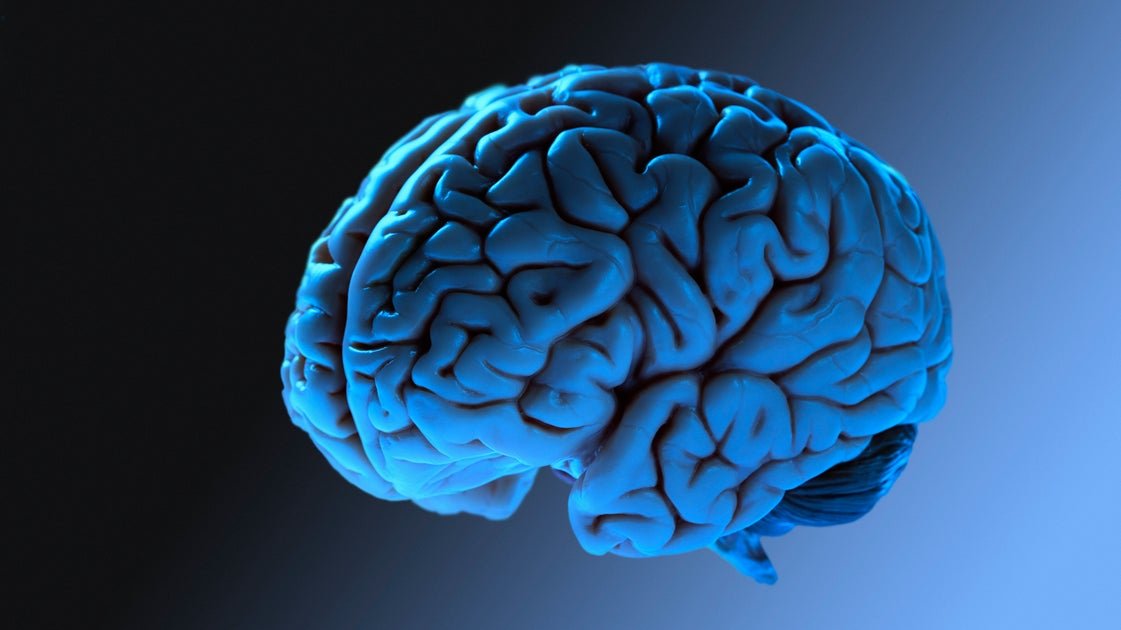
The brain does not reach adulthood until about age 32, according to a new study.
Brain changes are inevitable as you age, but there are things you can do to keep your brain healthy.
Brain health is a major concern for people as they grow older, especially with more than 6 million Americans having a dementia diagnosis. Forgetting things here and there is no major cause for concern as you get older, but if those memory issues disrupt your life, you should talk to a doctor.
There are things you can do to help keep your brain as optimal as possible throughout your lifetime.
Healthy habits, overall, can help reduce dementia risk factors. It’s important to get enough sleep (seven to nine hours nightly), manage conditions like high blood pressure and high blood sugar, consume a diet with lots of fruit and veggies and prioritize time with loved ones.
Studies show it’s also beneficial to challenge your mind, whether that’s by taking music lessons or completing puzzles, learning a new language or enrolling in an interesting class. These kinds of challenges help the brain form and grow new connections.
Exercise is also a crucial factor in maintaining cognitive health. Regular exercise can help prevent dementia, benefit those with cardiovascular diseases (which also impact the brain) and can increase cognitive processing speed.
“Over longer periods of time, exercise and physical activity increase formation of new brain cells … which will impact memory and other functions of the brain,” Dr. S. Ausim Azizi, a professor and section chief of behavioral neurology at the Yale School of Medicine, previously told HuffPost.
There are also genetic factors that are out of your control that contribute to cognitive issues, but following brain-healthy behaviors can still benefit your mind.
No matter what you do, your brain will age, change and degenerate (just like your body), but this new research about the brain’s “epochs” can only help doctors understand more about the changes and risks associated with the brain throughout the lifespan.
