

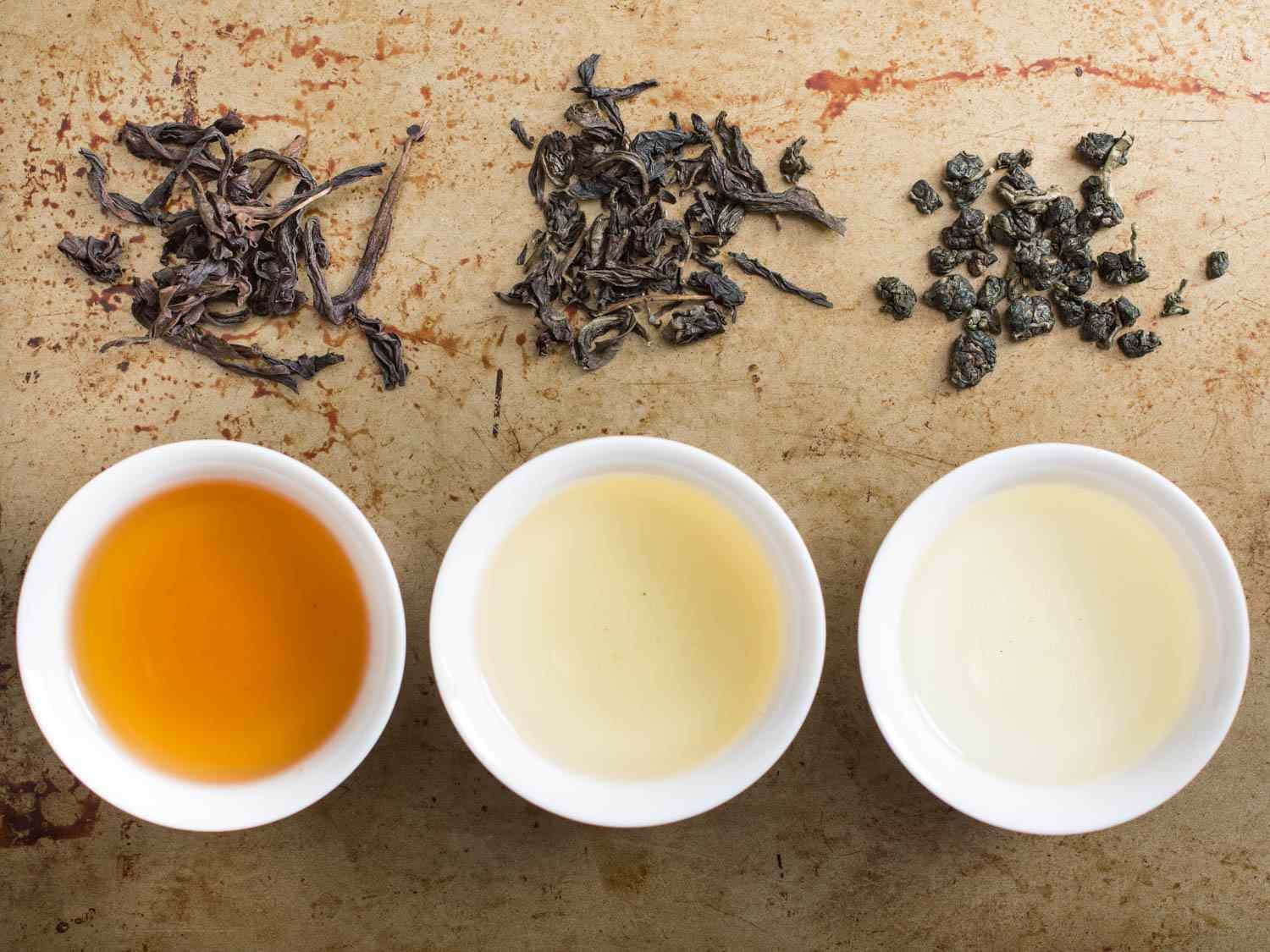
Close your eyes and think of tea, and unless you grew up in a culture where green tea is more popular—like in China, Japan, or Korea—you’re probably picturing something that looks like the photo above. From the US to the UK to Russia to Turkey, black tea is usually the more popular choice of tea.
Unfortunately, most of the black tea commonly sold in the West isn’t very good—overly bitter and tannic yet curiously bland. No wonder many Americans treat tea as a low-octane also-ran to coffee, and it’s no surprise most of us stir in loads of lemon, milk, or honey to make it taste like something.
That’s a shame, because great black tea is a lot like the intersection of two beverages most Westerners love: quality coffee and good red wine. Stimulating yet lush with hints of ripe fruit, chocolate, nuts, and citrus, mellow and sweet but charged with a tongue-tingling potency, top-notch black tea is more than worth your attention.
The trick is getting the right leaves and brewing them with care. Here’s a brief introduction to upping your black tea game.
Vicky Wasik
Making the Grade
No matter where and how a black tea is grown, it’s all processed the same way: withering and bruising fresh leaves to encourage oxidation, then drying. This oxidation begins the moment a tea leaf is plucked off the bush, and the enzymatic activity is responsible for building up black tea’s rich color, plush body, fruity sweetness, and tannic complexity.
So what makes one black tea different from another? Part of the answer is regional variations in terroir and cultivation, but the single biggest factor is a tea’s grade. Generally speaking, tiny broken leaves = lower grades = a coarse, blustery brew, while larger unbroken leaves = higher grades = a more delicate, nuanced, and complex drink. Especially high grades also tend to incorporate greater amounts of young buds or “tips,” which increases the tea’s cost (there’s only one bud per shoot on a tea plant versus many older leaves). But those buds add substantially to a tea’s depth of character and unique flavor.
Tea has always been sorted into quality levels, such as by relative amounts of buds, but modern grading of black tea by size is a relatively recent consequence industrialization. As British (and later, American) entrepreneurs experimented with growing tea in India, they developed more efficient and economical ways to process tea leaves. Chinese producers tend to keep tea leaves whole, but Western plantation owners found they could accelerate tea oxidation by crushing and tearing leaves into smaller pieces. Broken tea leaves also yielded a more uniform, homogeneous flavor, a major bonus for mass-market brands looking to create a consistent product. And lower grade leaves have more surface area, too, so they brew fast and dark, a handy asset for a hot new invention that burst onto the scene in the early 1900s: the tea bag.
Whole leaves plus abundant golden tips.
These practices proved wildly successful, and these days the vast majority of tea made for the Western, Eastern European, and Middle Eastern markets is relatively low grade, finely broken black tea leaves that brew up dark, brisk, consistent, and, objectively speaking, relatively devoid of individual character.
Now, for lots of people, a bold, simple tea is exactly the point. You need something as dark and potent as possible to cut through all the milk, sugar, and spices in a cup of proper Indian chai, and in Turkey and Russia, both black-tea-loving nations, dark, bitter, concentrated brews are the drink of choice. And all over the world, tea bags are an easy way to get a happy caffeine fix. There’s nothing wrong with a consistent and reliable product; it’s just that there’s more to black tea beyond that consistency.
If you’re looking for something a little more complex and wine-like, higher grade loose leaf teas are the way to go. Go one step further and you can find “single estate” or unblended teas that preserve growing regions’ individual characteristics—just like single-origin coffee beans or unblended wines. Here’s where things get interesting.
The Great Wide World of Black Tea
We all know what black tea tastes like. There’s a ripe golden fruitiness that registers with a raisin-like sweetness on the tongue. There’s an astringency and, often, a gentle lingering acidity on the palate, plus a richer, more velvety body than lighter teas. “Brisk” is a frequent descriptor: that refreshing crispness that keeps the tea’s sweetness from turning cloying. That red wine comparison starting to make more sense? Good.
Because just like red wine, there are black teas with more or less body, more or less sweetness and astringency, and variations in secondary notes from citrus to florals to overripe fruit, and roasted nuts or chocolate. If you’re looking to dig deeper into those subtleties, here are a few key styles that show the range of what black tea has to offer.
South Asia
A high elevation Himalayan tea.
Ceylon: ‘Ceylon’ teas really just mean teas grown on the island of Sri Lanka. Unlike their Indian neighbors, Sri Lankan growers more heavily favor whole-leaf black tea styles (though both countries produce high- and low-grade tea), and while Ceylons range enormously in quality, they tend toward sunny teas that often brew up glowing orange with moderate body. The best Ceylon teas are well-balanced: citrus or nutty high notes mellowed by a gentle warmth that avoids heavy astringency. They’re great to drink plain or with a dash of milk, no sugar required.
Darjeeling: The West Bengali district of Darjeeling grows India’s most prized tea: an origin-protected style from bushes originally smuggled out of China because the British couldn’t replicate the delicate sweet florals of their favorite Chinese teas. High up in the Himalayas, Darjeeling tea benefits from a unique terroir that yields a wine-like sweetness that many compare to floral muscat grapes. The specific flavors of Darjeeling tea change through its growing season, so some are more fresh and piney while others develop more brooding wood cask notes, but overall, Darjeeling teas are low-astringency and especially complex. Unfortunately, that popularity has led to a lot of fakes; there’s far more Darjeeling sold on the market every year than the district of Darjeeling could possibly produce. This is one tea where it especially pays to know your vendor.
Nepalese: Many of those Darjeeling fakes in fact come from Nepal, where similar growing conditions, fast-rising standards for export tea, and a lower cost of labor mean a more budget-friendly alternative to the nuance of true Darjeeling. Many Nepalese teas—branded as such as an emerging market—exhibit strong chocolatey qualities along with a slightly more rustic version of Darjeeling’s sweet wine notes. High-altitude teas like Nepal’s (and Darjeeling’s) also have a unique misty, airy quality; close your eyes, breathe deep, and you’ll feel like you’re standing right in those mountainous tea gardens.
Assam: After Darjeeling, Assam tea is India’s most famous, though in many ways it’s the polar opposite. Grown in sunny lowlands from the more potent large-leaf Camellia sinensis var. assamica, Assam teas (named for the Indian state where they’re grown) exemplify the bold, brisk side of black tea, whether you’re drinking tiny broken “crust-tear-curl” styles or or higher grade whole leaf versions. High in astringency and acidity, they have a thick, lipsmacking body that, when brewed strong, can make you forget all about espresso.
China
Chinese jin jun mei.
Keemun: One of China’s more popular teas in the West, Keemun tea offers some of the astringency and body of an Indian tea, but with a richer malt and dark cocoa character brightened by delicate florals (think more orchid than perfumed jasmine or rose) and often a subtle smokiness gained during processing. A good workaday tea, it’s a fitting introduction to the Chinese approach to hong cha (“red” tea), the Chinese term for black tea so named for the color of the tea’s brew.
Diang Hong: While pu-erh may be the price of Yunnan province, it’s only one of the teas you’ll find there. See also diang hong, aka Yunnan Gold, which some consider to be the finest black tea on Earth. It’s generally smooth and rounded on the palate, less brisk and astringent than Indian black teas, and is full of chocolate sweetness that, in quality versions, is velvety and long-lasting.
Jin Jun Mei: Another high quality tea from China, this time the Wuyi mountains, where teas that grow on rocky cliffs develop distinct mineral flavors to complement deep honey notes and, in truly high quality jin jun mei, intense sweetness. Top-notch jin jun mei is full of golden tips and can yield deep, lasting honeylike finishes in your throat. Like many great Chinese black teas, it’s smooth and rounded but powerful stuff.
Lapsang Souchong: This tea is a smoke bomb, made from Chinese black tea leaves dried over smoky pine fire. Low quality versions can taste as harsh as lighter fluid, but in better lapsang souchong, the leaves’ inherent sweetness stands up to the smoke for a potent campfire brew that warms your cheeks like a good Scotch. The original lapsang souchong hails from those minerally Wuyi mountains, like jin jun mei, but these days the tea is produced all over.
Where to Buy It
Now that you’ve seen some of what the broader world of black tea has to offer, here are some commendable vendors worth seeking out.
- Upton Tea Imports: A wide variety of black teas from 13 countries, including some rarer offerings like Japanese black tea, but the pride of the collection may be the Darjeelings, which include some of the district’s highest regarded tea estates.
- Simpson & Vail: A great selection of Nepalese black teas for those looking for high elevation Himalayan styles loaded with cocoa, pine, and that signature high elevation mistiness.
- Verdant Tea: Chinese black teas from popular regions (Wuyi) and more obscure (Laoshan), all aromatic and smooth-drinking. There’s an affordable jin jun mei that makes an excellent introduction to fine Chinese black tea, and a smoked Wuyi tea that shows just how good lapsang souchong-type teas can get.
- In Pursuit of Tea: High quality offerings from China, Sri Lanka, and India. One fun thing to try with this vendor: comparing two flushes (harvests) of Darjeeling from the same estate, which can show how the tea’s flavor evolves over the growing season.
- Song Tea: Excellent high-end Chinese black teas that you won’t find from most other Western-facing vendors. Also some exemplary renditions of Taiwanese cultivars that bring warm honey and macerated cherry flavors along for the ride.
Disclosure: Some tea samples provided for review.
